
Templo de A-Ma on Macau’s terraced hillside
Published on 09/19/2026 at 18:13 | Editorial responsibility: Rafael Müller, Editor-in-Chief AD HOC NEWS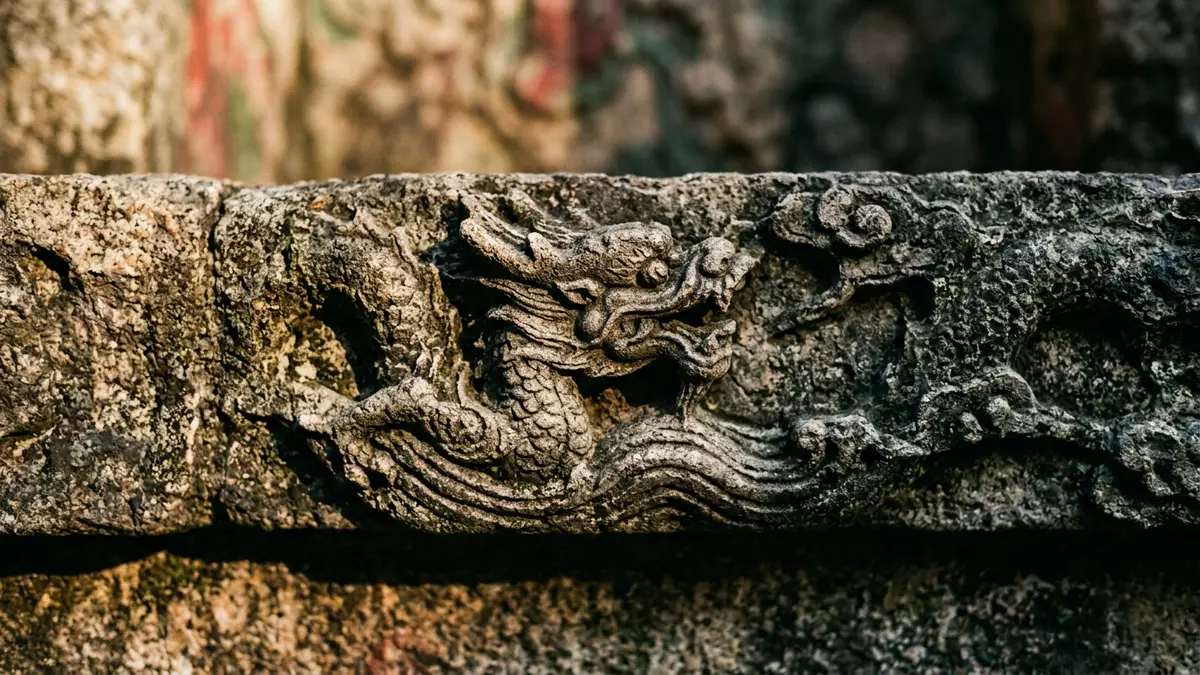
Templo de A-Ma rises in terraces on the south-western side of Macau Peninsula, with the sea goddess Mazu at its centre. Built in 1488 during the Ming dynasty, it is part of the Historic Centre of Macau, inscribed on the UNESCO World Heritage List in 2005.Built in 1488
Terraces, halls and stone slopes at Templo de A-Ma
The temple is not a single hall but a sequence of shrines, courts and stairways climbing the slope. Its setting on Barra Hill gives the complex a stepped profile that is easy to read from below.
Granite, timber and roof tiles give the site a solid, layered character. The earliest surviving parts belong to the late fifteenth century, while later additions extend the complex through the Ming and Qing periods.earliest structure
Mazu worship and Macau’s name
Templo de A-Ma is dedicated to Mazu, the sea goddess honoured by sailors and fishermen along the South China coast. That devotion links the shrine to the maritime world that shaped Macau as a port city.dedicated to Mazu
The temple is also tied to the name Macau through the form A-Ma-Gau, meaning Bay of A-Ma. That association gives the site a place in the city’s cultural memory as well as in its religious life.
UNESCO heritage in a working temple
The temple stands within the Historic Centre of Macau, where Chinese religious architecture sits alongside Portuguese-era streets and civic spaces. Its UNESCO listing places it among the city’s key monuments and links it to the broader heritage ensemble.Historic Centre of Macau
What makes the site distinctive is the way the shrine complex is arranged up the hillside, rather than as a flat courtyard ensemble. The climb from the entrance to the upper pavilions passes through a sequence of thresholds, each with its own scale and material finish.granite hillside
Visiting Templo de A-Ma: what travellers from Western Europe should know
- Templo de A-Ma lies on the south-western edge of Macau Peninsula, near Barra and the Inner Harbour. It is reached by local streets and public transport serving the district.
- The complex rises on a slope and includes steps between its levels. Comfortable footwear is practical because the route moves over stone surfaces and stairways.
- The temple belongs to a heritage area that includes Chinese temples, churches and civic squares. Its surroundings reflect Macau’s mixture of Chinese and Portuguese urban forms.
- The main dedication is to Mazu, a sea goddess associated with maritime protection. Incense burners, small halls and pavilions form the core of the religious setting.
Searching for Templo de A-Ma on social platforms
These links open searches for Templo de A-Ma on each platform.Frequently asked questions about Templo de A-Ma
Where is Templo de A-Ma?
It stands in Macau, on the south-western side of Macau Peninsula near Barra and the Inner Harbour. The setting is part hillside, part temple courtyard.
What does a visit involve?
The site is a hillside complex of halls, pavilions and steps. Visitors move through a compact sequence of stone and tiled structures rather than a single enclosed building.
What makes Templo de A-Ma distinctive?
Its Ming-era origin, its dedication to Mazu and its UNESCO status place it at the centre of Macau’s religious and cultural history. The terraced layout gives the shrine a form that is easy to recognise.


