
Templo de A-Ma on Macau’s granite hillside
Published on 08/26/2026 at 22:44 | Editorial responsibility: Rafael Müller, Editor-in-Chief AD HOC NEWS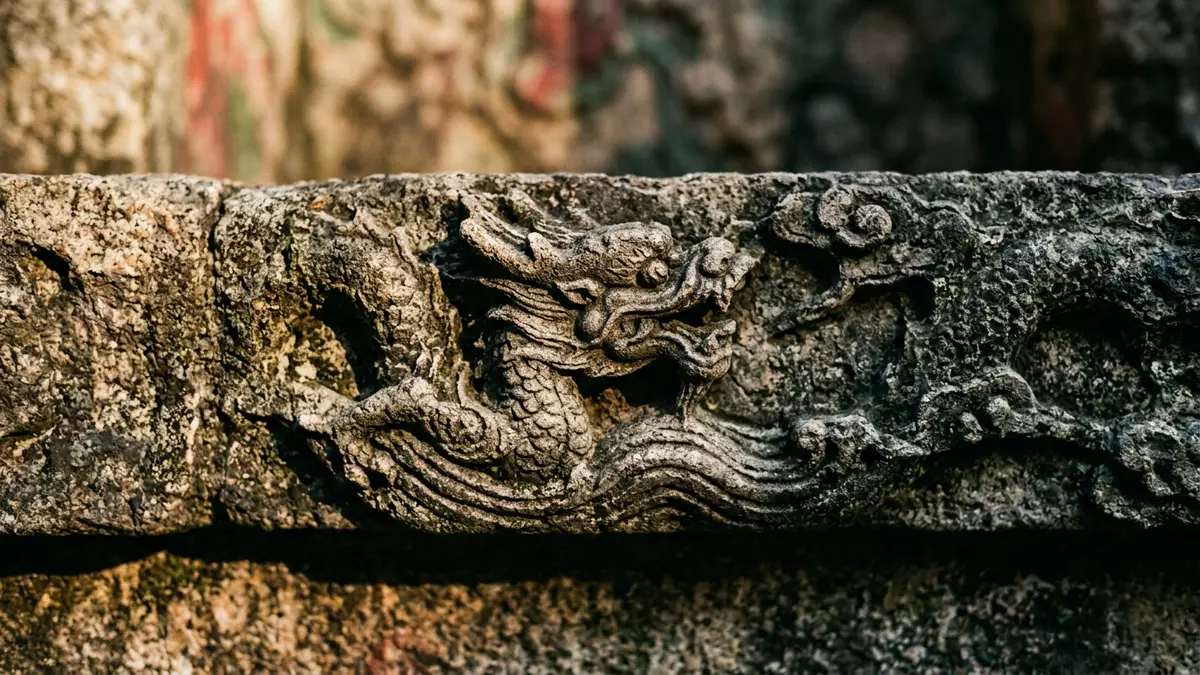
On the south-western tip of the Macau Peninsula, Templo de A-Ma climbs the lower slopes of Barra Hill above the water, a terraced temple complex dedicated to the sea goddess Mazu that dates back to the Ming dynasty and forms part of the UNESCO-listed Historic Centre of Macau.
Templo de A-Ma on Barra Hill and by the sea
Templo de A-Ma, also known as A-Ma Temple or Barra Temple, stands on the south-western promontory of Macau, in the São Lourenço district at the base of Barra Hill facing the Inner Harbour.A-Ma Temple The complex is embedded in a granite hillside beside the waterfront, so masonry platforms, halls and stairways rise in stages between exposed rock outcrops and boulder-like formations.built into a cliff
The temple is dedicated to Mazu, known locally as A-Ma, a Chinese sea goddess revered across coastal southern China and among seafaring communities, and devotees come to burn incense and make offerings in front of altars and shrines scattered along the terraces.constructed in the year 1488 Below, the harbour water and moored boats remain visible from many corners of the complex, underlining the link between the temple and the sea routes that once framed Macau’s position on the South China coast.
Ming-era origins and UNESCO recognition
Construction of Templo de A-Ma is dated to 1488 in the Ming dynasty, making it one of the oldest surviving religious structures in Macau and an early landmark predating the arrival of Portuguese settlement on the peninsula.built in 1488 That late fifteenth-century foundation ties the temple to a period when maritime trade along the China coast was consolidating, and the cult of Mazu, the patron of sailors and fishermen, was spreading between ports and islands.Built in 1488 C.E.
In 2005, A-Ma Temple was inscribed as one of the protected monuments of the Historic Centre of Macau on the UNESCO World Heritage List, recognising its cultural and historical value along with churches, squares and other traditional streetscapes around the peninsula.inscribed as a UNESCO World Heritage Site in 2005 The complex is also closely linked to the origin of the name “Macau”: early Portuguese visitors landing near the temple in the sixteenth century adopted a local pronunciation related to “Ma Ge” or “A-Ma-Gau” as the name for the territory, and the form “Macau” became established in European usage.translated the name into Macau
Terraces, halls and incense along the hillside
Templo de A-Ma spreads across the western slope of Barra Hill as a sequence of courtyards, pavilions and halls, linked by staircases and stone paths that climb from the waterfront towards higher terraces.built against a cliffside of Barra Hill facing the sea The complex includes structures associated with different deities and practices, among them spaces honouring Mazu and other figures of Taoist and Buddhist tradition, so the architecture reflects the layered religious life of Macau’s Chinese communities rather than a single hall.
Along the way, visitors encounter large incense coils suspended in covered areas, smaller sticks burning in censers and altars set beside carved stone, timber roofs and granite steps. Inscriptions, plaques and ornamental details sit above gateways and on walls, and the interaction between built surfaces and the irregular hillside gives the impression of a temple that has grown with time, extending as new shrines and halls were added around the original core described in heritage surveys.centuries of expansions and renovations
Visiting Templo de A-Ma: what travellers from Western Europe should know
- Templo de A-Ma stands on the south-western edge of the Macau Peninsula in the São Lourenço district, near Barra Hill and the Inner Harbour, reached by city bus routes serving Largo da Barra.
- The temple complex rises up a granite hillside, with flights of outdoor steps, stone paths and uneven rock surfaces between terraces, so a visit involves walking upwards between levels.
- Macau lies on the southern coast of China, and the official languages are Chinese and Portuguese; the currency used in Macau is the Macanese pataca.
- Entry requirements depend on your nationality; UK travellers can check the FCDO travel advice at gov.uk/foreign-travel-advice, Irish travellers the Department of Foreign Affairs at ireland.ie.
Searching for Templo de A-Ma on social platforms
These links open searches for Templo de A-Ma on each platform.
Frequently asked questions about Templo de A-Ma
Where is Templo de A-Ma located in Macau?
Templo de A-Ma stands on the south-western tip of the Macau Peninsula in the São Lourenço district, near Barra Hill and the Inner Harbour waterfront.
What can visitors expect when exploring the temple complex?
Visitors walk up outdoor stone steps and terraces between halls, pavilions, courtyards and granite outcrops, with incense, altars and shrines dedicated to Mazu and other deities.
What makes Templo de A-Ma distinctive among Macau’s historic sites?
The temple combines a late fifteenth-century origin, direct links to Macau’s name and UNESCO recognition with a hillside layout that ties religious buildings closely to the harbour and granite rock.


