
Antigua Guatemala and its baroque grid beneath the volcanoes
Published on 09/08/2026 at 18:40 | Editorial responsibility: Rafael Müller, Editor-in-Chief AD HOC NEWS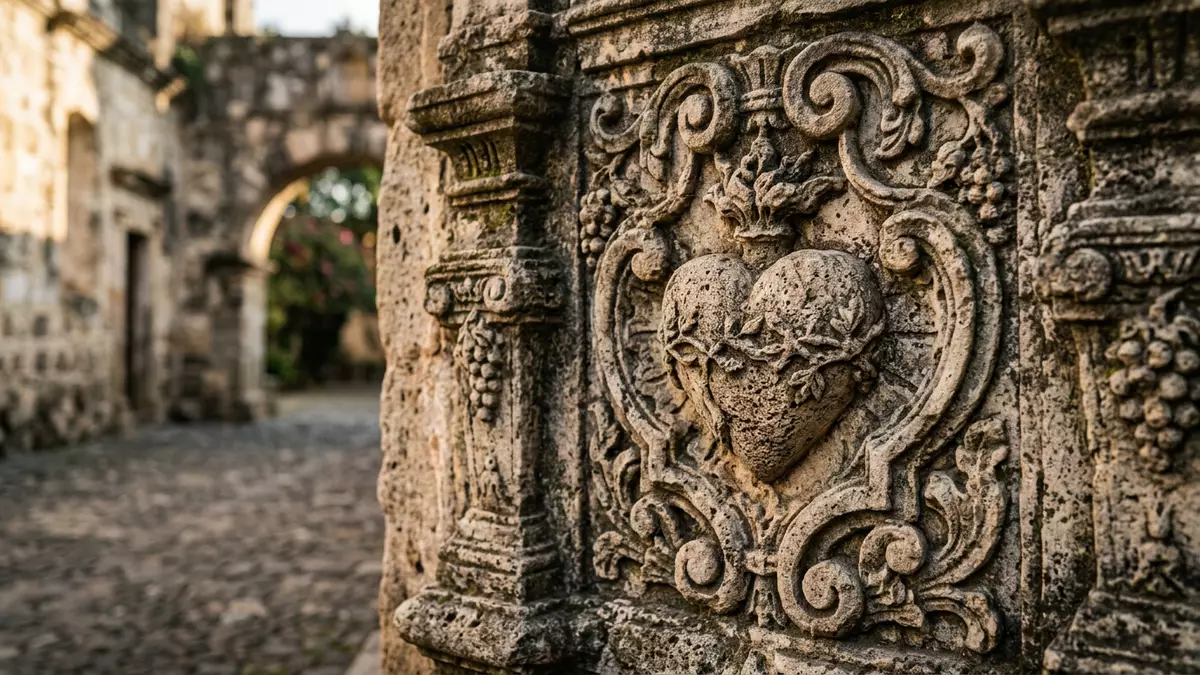
Antigua Guatemala is a colonial city in the highlands of Guatemala, laid out on a straight grid of low streets beneath volcanic slopes and distinguished by its dense ensemble of Spanish Baroque architecture. Founded in the sixteenth century as the capital of the Captaincy General of Guatemala, it later gained recognition as a UNESCO World Heritage Site for the way its historic plan and fabric have been preserved.
A planned colonial capital framed by volcanoes
Antigua Guatemala lies in a valley in the central highlands of Guatemala, with the bulk of the city spreading across gently sloping ground below Volcán de Agua and other volcanic peaks that dominate the horizon.volcanic backdrop From its foundation in 1524 as Santiago de Guatemala, the seat of Spanish power in the region, the city developed as the administrative centre of the Captaincy General of Guatemala, covering much of Central America.capital of the Captaincy General
The historic centre follows a Renaissance-inspired grid, with long, straight streets intersecting at right angles and enclosing rectangular blocks behind continuous lines of stuccoed façades.Spanish-colonial urban landscape At the heart of this plan lies the main square, Parque Central, where the cathedral, former governmental buildings and other important structures stand around a tree?shaded plaza.central square and civic buildings The controlled geometry of the layout remains visible in the alignment of the streets, which draw the eye towards church towers and the slopes of the surrounding volcanoes.
Baroque churches, convents and enduring ruins
Antigua Guatemala is known for its concentration of churches, convents and civic buildings whose architecture reflects Spanish Baroque and related styles of the seventeenth and eighteenth centuries.Spanish Baroque-influenced architecture Many façades incorporate carved stonework, pilasters and niches, while bell towers rise above the otherwise low skyline. Behind plain street fronts, courtyards open into cloisters and garden spaces, creating sequences in which arcaded walks connect chapels, refectories and living quarters.courtyards and arcades
The city’s position in an earthquake?prone region has left a striking legacy of ruins alongside standing buildings. Major earthquakes in the eighteenth century led to severe damage to the capital, and many of its monumental structures survive as consolidated shells whose arches and walls rise open to the sky.preserved as ruins Walking through the centre, visitors encounter churches that remain active and others whose naves and cloisters have become atmospheric archaeological sites, making the grid of streets a sequence of alternating intact buildings and remains that speak to the city’s seismic past.earthquake-damaged monuments
UNESCO recognition and conserved urban fabric
In the twentieth century Antigua Guatemala gained formal protection as an historic city, culminating in its inscription on the UNESCO World Heritage List in 1979 as site number 65.World Heritage inscription in 1979 The listing recognises the city as an outstanding example of Spanish colonial town planning in Latin America, where the original grid dating from the mid?sixteenth century has been kept largely intact.grid plan dating from 1543
The protected area covers a historic centre in which streets, building plots and many structures retain their colonial proportions, linking the surviving churches and convents with the everyday houses and commercial premises that fill the blocks.protected centre and grid Antigua Guatemala’s status as a World Heritage city helps support conservation of both monumental ruins and lived buildings, sustaining a townscape in which the Spanish colonial past remains visibly embedded in the streets, squares and skyline of a functioning highland city.historic centre as living urban fabric
Visiting Antigua Guatemala: what travellers from Western Europe should know
- Antigua Guatemala lies in the department of Sacatepéquez in southern Guatemala, west of Guatemala City, and is reached by road connections from the capital and other parts of the country.
- The historic centre consists of cobbled streets and pavements with irregular surfaces, and many churches and ruins are approached by steps or short climbs.
- The city stands in the highlands at over 1,500 m (4,900 ft), so visitors move between streets and plazas at altitude and see surrounding volcanoes rising above the valley.
- The official language is Spanish and the currency is the Guatemalan quetzal.
- Entry requirements depend on your nationality; UK travellers can check the FCDO travel advice at gov.uk/foreign-travel-advice, Irish travellers the Department of Foreign Affairs at ireland.ie.
Searching for Antigua Guatemala on social platforms
These links open searches for Antigua Guatemala on each platform.
Frequently asked questions about Antigua Guatemala
Where is Antigua Guatemala located?
Antigua Guatemala is in the department of Sacatepéquez in the central highlands of Guatemala, west of Guatemala City, in a valley below Volcán de Agua.
What should visitors expect on a first visit?
Visitors encounter a compact historic centre of cobbled streets on a straight grid, lined with low stuccoed buildings, churches, convents and ruins, all set against volcanic slopes.
What makes Antigua Guatemala distinctive among historic cities?
Antigua Guatemala combines a preserved sixteenth?century grid plan, Spanish Baroque religious architecture and extensive earthquake?damaged ruins within a functioning highland city.


