
Antigua Guatemala and its baroque streets beneath the volcanoes
Published on 09/05/2026 at 07:21 | Editorial responsibility: Rafael Müller, Editor-in-Chief AD HOC NEWS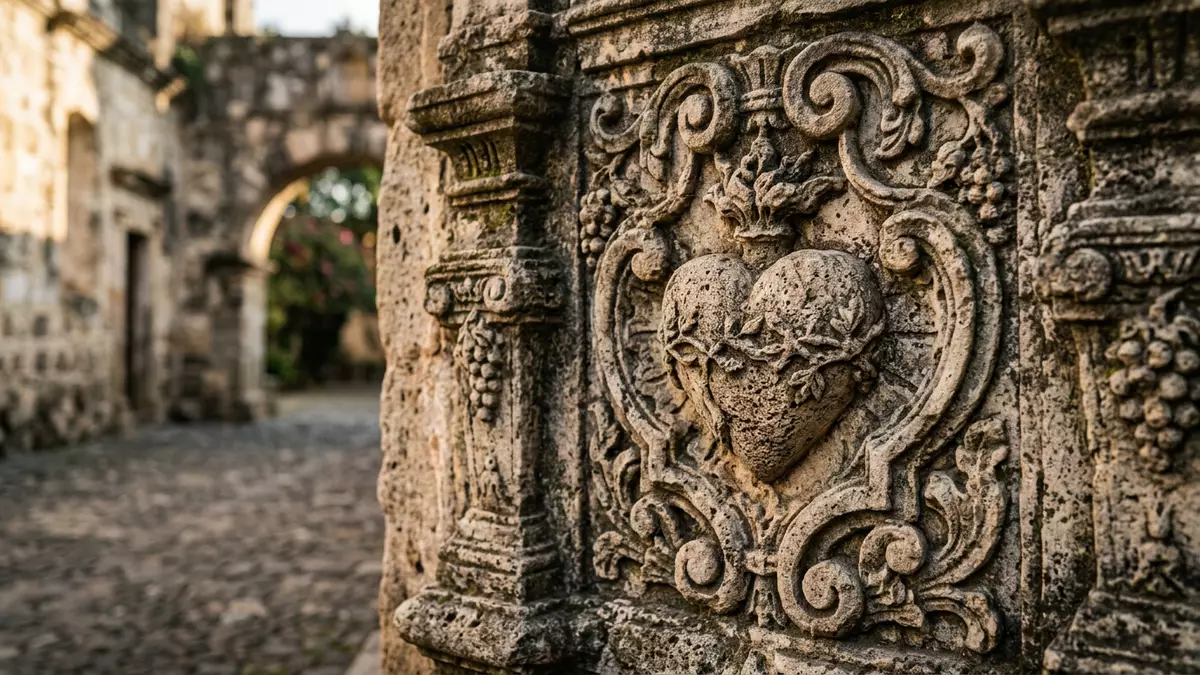
Antigua Guatemala is a colonial-era city in the central highlands of Guatemala, laid out on a grid of low, pastel-coloured streets framed by church facades and volcanic slopes. Once the capital of the Spanish Captaincy General of Guatemala in the sixteenth and seventeenth centuries, it retains a dense core of baroque and Renaissance-influenced architecture that has earned its historic centre a place on the UNESCO World Heritage List since 1979.UNESCO World Heritage List
From colonial capital to preserved highland city
Antigua Guatemala was founded in the early sixteenth century under the name Santiago de Guatemala, serving as the seat of the Captaincy General, the Spanish administrative unit that covered much of Central America.seat of the Captaincy General The city’s role as capital lasted from 1543 until 1773, when strong earthquakes damaged many of its buildings and prompted the relocation of the capital to what is now Guatemala City.relocation of the capital
The historic centre that visitors walk through belongs largely to this colonial period, with long, straight streets intersecting at right angles and blocks defined by one- and two-storey houses behind stucco walls.long, straight streets Churches and former convents stand at key corners and squares, some consolidated and in use, others preserved as ruins that speak to the city’s eighteenth-century earthquakes. Spanish Baroque detail survives in carved doorways, bell towers and frontages, while courtyards hidden behind plain street walls open onto arcades and gardens.
Streets, arches and churches: walking the historic core
Antigua Guatemala’s centre is defined by its street grid and a series of landmarks that break the low skyline, making the city easy to explore on foot. The central square, Parque Central, is ringed by civic buildings and arcades, with the Cathedral of San José rising on one side behind an ornate, multi-bay façade that continues the city’s baroque vocabulary.Parque Central Along the streets leading away from the square, colonnaded walkways, small plazas and former monasteries punctuate the grid.
One of the most recognisable structures in the old town is the yellow-painted Santa Catalina Arch, spanning a street with a modest tower above the carriageway and framing long views towards the surrounding volcanoes.Santa Catalina Arch Beyond it, visitors encounter churches such as La Merced and the remains of religious complexes where cloisters and walls remain roofless, leaving sculpted stonework exposed against the sky. Cobblestones underfoot, wrought-iron balconies and courtyards filled with planting give the urban fabric a texture that reflects centuries of adaptation within the preserved colonial plan.
A valley city ringed by volcanoes
Antigua Guatemala lies in the Panchoy Valley in the department of Sacatepéquez, at around 1,500 m (4,921 ft) above sea level, giving it a highland setting and relatively mild temperatures compared with the tropical lowlands.around 1,500 m above sea level The city sits on the lower slopes of Volcán de Agua, with the cones of Acatenango and Fuego also rising nearby.surrounded by the three volcanoes The volcanoes are a constant presence in street views: turn a corner and a summit appears above rooflines, giving even modest neighbourhoods a dramatic backdrop.
The valley floor and surrounding hills have shaped Antigua Guatemala as a compact city, with the historic centre concentrated on relatively level ground and the volcanoes forming a ring beyond orchards and fields.central highlands setting From higher points in town, travellers can see how the grid of streets meets the contours at the edges, where roads begin to climb and views open over the wider landscape. The combination of colonial architecture and volcanic silhouettes is one of the city’s most striking visible contrasts.
Visiting Antigua Guatemala: what travellers from Western Europe should know
- Antigua Guatemala lies in the Sacatepéquez Department of Guatemala in Central America, south-west of Guatemala City in the Panchoy Valley, and is reached by road from the capital.
- The historic centre is compact and largely explored on foot, with uneven cobblestone streets and some pavements and courtyards connected by steps that require steady footing.
- The city stands at around 1,500 m (4,921 ft) above sea level, so visitors experience a noticeable highland elevation during walks and when moving between lower and higher streets.
- Spanish is the official language and the national currency is the Guatemalan quetzal.
- Entry requirements depend on your nationality; UK travellers can check the FCDO travel advice at gov.uk/foreign-travel-advice, Irish travellers the Department of Foreign Affairs at ireland.ie.
Searching for Antigua Guatemala on social platforms
These links open searches for Antigua Guatemala on each platform.Frequently asked questions about Antigua Guatemala
Where is Antigua Guatemala and what is its setting?
Antigua Guatemala is a city in the Sacatepéquez Department of Guatemala, in the Panchoy Valley in the country’s central highlands, surrounded by volcanoes including Agua, Acatenango and Fuego.Panchoy Valley setting
What can travellers expect when walking through the historic centre?
Travellers encounter a grid of cobbled streets lined with single- and two-storey colonial houses, churches and convents, with features such as the Santa Catalina Arch, baroque façades and preserved ruins creating varied streetscapes.cobbled streets and colonial houses
What makes Antigua Guatemala distinctive compared with other Guatemalan cities?
Antigua Guatemala combines a well-preserved colonial street plan and architectural ensemble recognised as a UNESCO World Heritage Site with a dramatic highland location beneath multiple volcanoes, giving it a visible blend of built and natural landmarks.World Heritage ensemble


