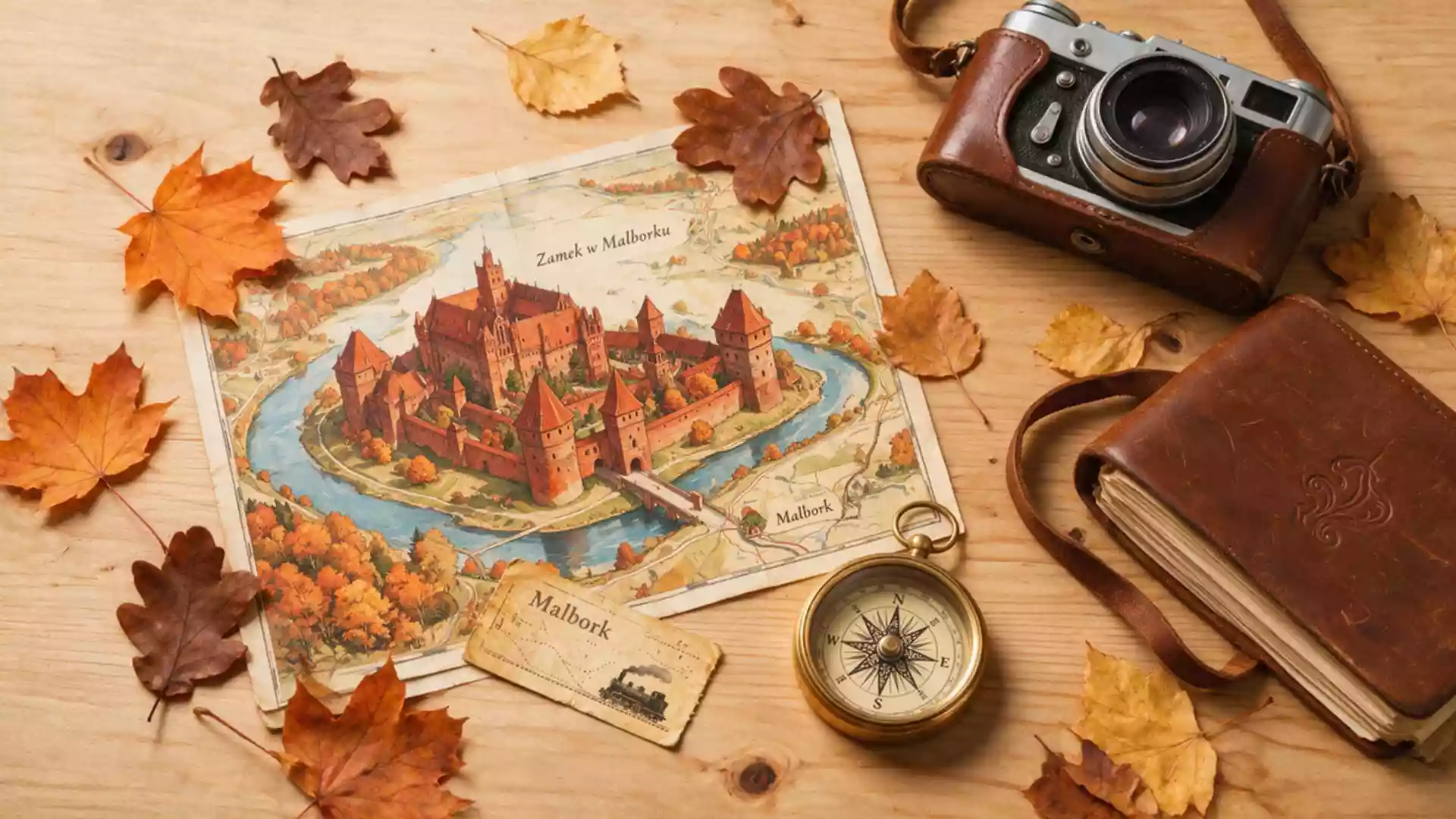
Zamek w Malborku and the scale of Teutonic brickwork
Published on 09/09/2026 at 06:43 | Editorial responsibility: Rafael Müller, Editor-in-Chief AD HOC NEWS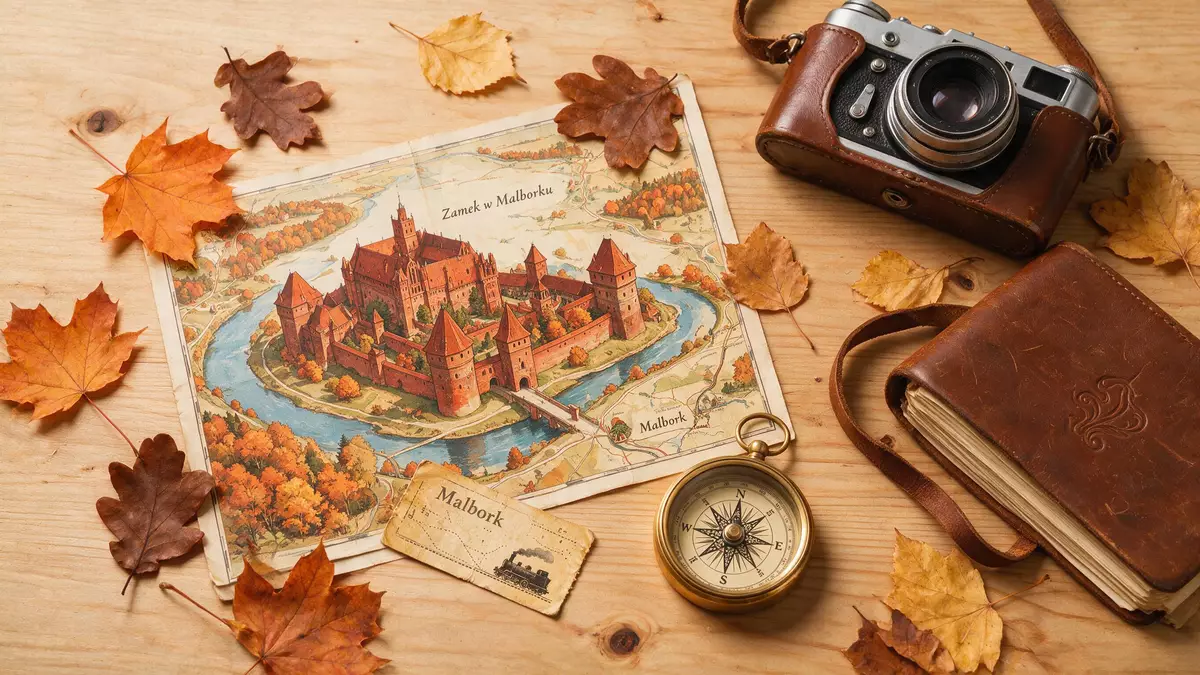
Zamek w Malborku in Malbork is a brick castle complex on the Nogat, linked with the Teutonic Order and later Polish rule. Its scale is part of the experience from the first view, as the castle stretches across a broad fortified area.
Teutonic brickwork on the Nogat
The castle belongs to the brick Gothic tradition and forms one of the major medieval complexes in northern Poland. The Teutonic Order began the work in the late thirteenth century, and the site developed through the fourteenth and fifteenth centuries.Gothic brick-built castle
The complex is associated with Siegfried von Feuchtwangen, who moved the order’s headquarters to Malbork in 1309. That link gives the castle a clear historical centre, but the site itself is read through walls, courts, towers and long runs of brickwork rather than through one isolated monument.Siegfried von Feuchtwangen
From fortress to royal residence
Zamek w Malborku later served the kings of Poland, which added another historical layer to the complex. The same walls therefore belong to more than one political world, and the change of function remains visible in the way the castle combines defensive and residential forms.kings of Poland
After that phase, the castle came to house the Castle Museum in Malbork. The museum use gives the place a public life without removing the medieval mass of the fortress, and the result is a layered ensemble rather than a frozen ruin.Castle Museum in Malbork
World heritage status and surviving fabric
The castle was inscribed on the UNESCO World Heritage List in 1997, and the formal designation covers the Castle of the Teutonic Order in Malbork. That status reflects the completeness of the surviving ensemble and the long history attached to it.UNESCO World Heritage List
The masonry is the visual constant: red brick, long enclosure walls and separate castle sections that read as a single fortified organism. The result is a place where medieval military architecture, royal residence and museum setting remain legible in one walk through the grounds.medieval military architecture
Visiting Zamek w Malborku: what travellers from Western Europe should know
- The castle stands in Malbork, on the east bank of the Nogat in northern Poland. Rail travellers reach Malbork by train, then continue on foot towards the castle district.
- The complex spreads across extensive grounds, with brick walls, courtyards and separate sections. The scale is large enough that the castle reads as a district rather than a single building.
- The main material is brick, with stone used in details and structural elements. That combination gives the place a strong red-and-brown character across its walls and towers.
- The official language is Polish and the currency is the z?oty.
Searching for Zamek w Malborku on social platforms
These links open searches for Zamek w Malborku on each platform.
Frequently asked questions about Zamek w Malborku
Where is Zamek w Malborku?
It stands in Malbork, in northern Poland, on the east bank of the Nogat. The setting places the castle close to the river and within the town itself.
What does a visit involve?
The site is a large castle complex with brick walls, courts and several connected sections. It presents a long historical route through a medieval fortress and later museum spaces.
What makes Zamek w Malborku distinctive?
Its brick Gothic fabric, Teutonic origins and royal phase create a layered historical whole. The castle’s scale and surviving form make those layers visible in the fabric itself.