Rocamadour: a vertical village and cliffside sanctuary
Published on 09/11/2026 at 14:34 | Editorial responsibility: Rafael Müller, Editor-in-Chief AD HOC NEWS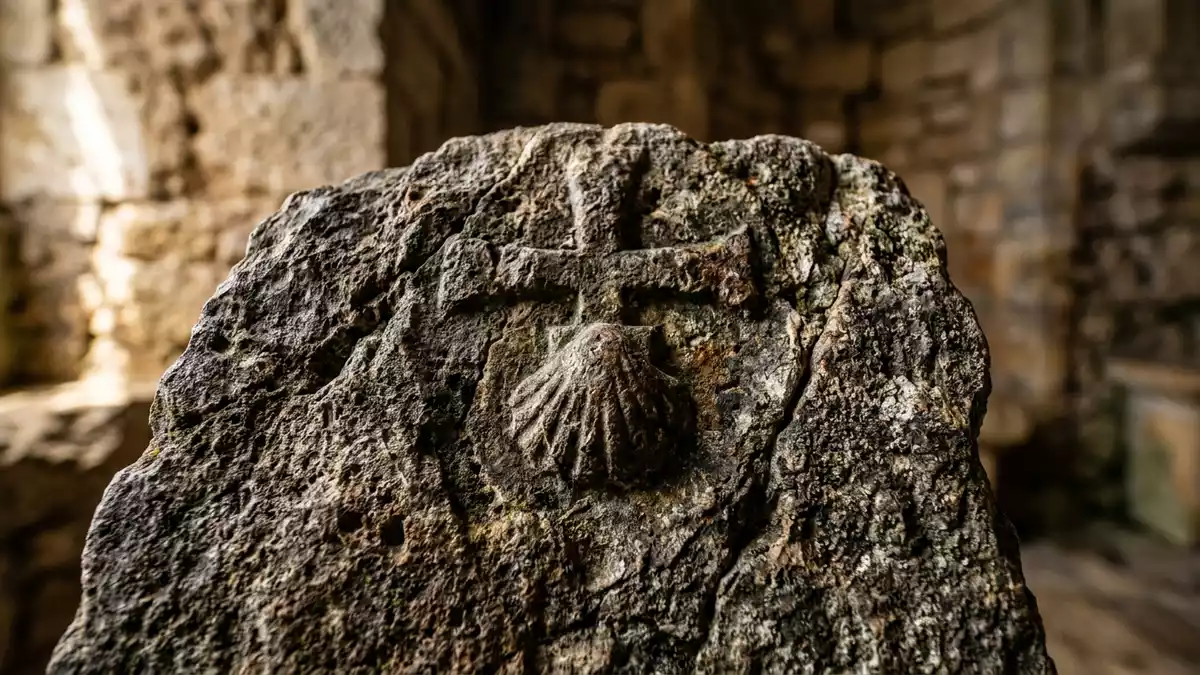
Rocamadour is a cliffside village and pilgrimage site in southwest France, where houses, chapels and fortifications rise in tiers up a limestone wall above the Alzou gorge in the Lot department. The place is known for its medieval sanctuary complex dedicated to the Virgin Mary, which developed from the twelfth century and drew figures such as Henry II of England and Louis IX of France alongside countless anonymous pilgrims.
A village built into a limestone cliff
Rocamadour occupies a dramatic position in the Dordogne Valley, in the Lot department of the Occitania region, with the settlement clinging to a cliff overlooking the Alzou canyon.Lot department in southwestern France The setting divides the village into distinct levels: the lower street along the valley floor, the sanctuary terrace midway up the rock face, and fortifications and a castle keep near the cliff top.built on three successive levels
The rock itself is limestone, cut by the Alzou, a tributary of the Dordogne, and the village forms part of the Causses du Quercy Regional Nature Park.Causses du Quercy Regional Nature Park Stone houses line the narrow lower street, backed directly against the cliff, while towers and defensive walls rise above them in stepped fashion. High above, a castle keep crowns the rock, giving views across the wooded valley and the surrounding plateau.
The sanctuary terraces and the Black Madonna
Midway up the cliff stands the sanctuary ensemble, a cluster of churches, chapels and a crypt reached by a monumental external staircase known as the Great Staircase, with 216 steps climbing from the lower town to an esplanade.216 steps to the Sanctuary's esplanade These buildings form what is often called the religious city, built partly against and partly into the rock, and comprise multiple sanctuaries including a basilica, several chapels and a crypt.eight sanctuaries: one church, six chapels and a crypt
At the heart of the complex is the Chapelle Notre-Dame, home to a small statue of the Black Madonna carved from walnut wood and long associated with miracles and maritime votive offerings.Black Madonna carved from walnut wood Nearby lies the tomb and former crypt of Saint Amadour, whose incorrupt body was discovered in 1166 beside the chapel and became central to the site’s medieval reputation.body discovered in 1166 next to the chapel The chapel and basilica are enclosed by high walls and stairways, creating a compact religious precinct pressed between the cliff and the drop to the town below.
Medieval pilgrimage and later restoration
Christian use of Rocamadour’s cliffside site is recorded from the eleventh century, and the sanctuary gained prominence in the twelfth century when reports of miracles linked to the Virgin’s statue and the discovery of Saint Amadour’s body turned it into a major Marian pilgrimage centre.first reported Christian use dates from early in the 11th century Pilgrims included rulers such as Henry II of England and Louis IX of France, as well as nobles and clerics from across Europe, who climbed the stairway to pray before the Black Madonna and the saint’s tomb.Henry II of England and Saint Louis
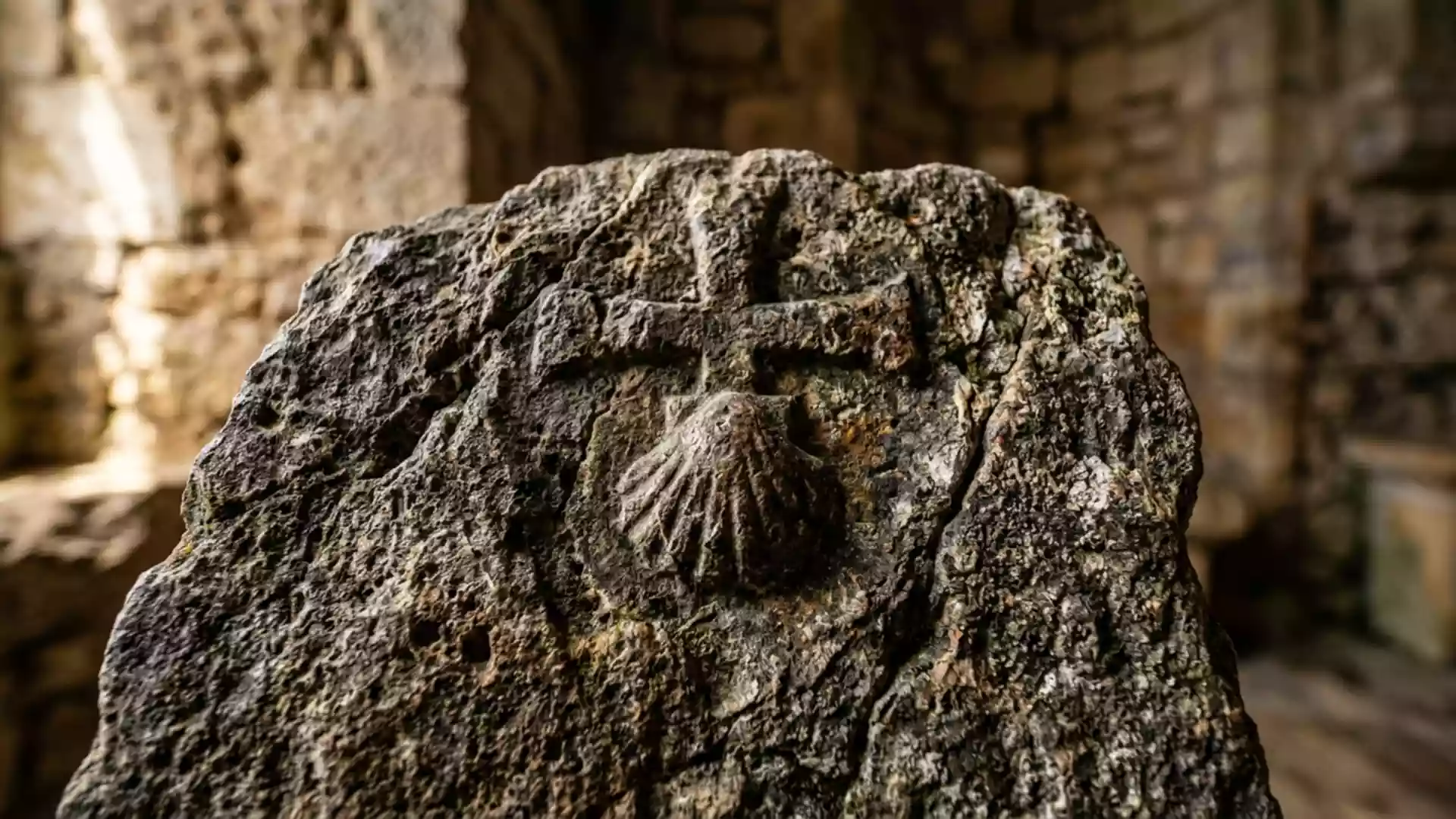
The site forms part of the Way of Saint James pilgrimage routes across France, and the sanctuary and village are listed within the UNESCO World Heritage designation associated with those paths.pilgrimage site on the Way of Saint James Rocamadour suffered damage in the sixteenth century during the Wars of Religion, when relics were destroyed and chapels looted, and later saw a significant nineteenth-century restoration campaign that shaped much of the architecture visible around the sanctuary terrace.Wars of Religion and 19th-century restoration
Visiting Rocamadour: what travellers from Western Europe should know
- Rocamadour lies in the Lot department of southwest France, within the Dordogne Valley and Causses du Quercy Regional Nature Park, and is reached by road from nearby towns such as Padirac.
- The village climbs a steep limestone cliff above the Alzou gorge; visiting the sanctuary involves ascending the Great Staircase, a long exterior flight with many stone steps and significant height gain.
- The terrain combines narrow streets at valley level with terraces, stairways and viewpoints on the cliff, so a visit involves walking on inclined paths and staircases between the different levels of the settlement.
- The official language is French and the currency is the euro.
Searching for Rocamadour on social platforms
These links open searches for Rocamadour on each platform.
Frequently asked questions about Rocamadour
Where is Rocamadour?
Rocamadour is in southwest France, in the Lot department of the Occitania region, above the Alzou gorge in the wider Dordogne Valley.
What should visitors expect during a visit?
Visitors encounter a lower village street, long stairways rising to a compact sanctuary terrace built into the cliff, and further paths and viewpoints leading towards the castle at the top.
What makes Rocamadour distinctive?
The combination of a medieval cliffside village, a multi-level Marian sanctuary featuring the Black Madonna and Saint Amadour’s tomb, and its role on the Way of Saint James pilgrimage routes gives Rocamadour a character that is closely tied to faith and landscape.