Parque Nacional Natural Tayrona between Sierra Nevada and Caribbean Sea
Published on 09/14/2026 at 20:52 | Editorial responsibility: Rafael Müller, Editor-in-Chief AD HOC NEWS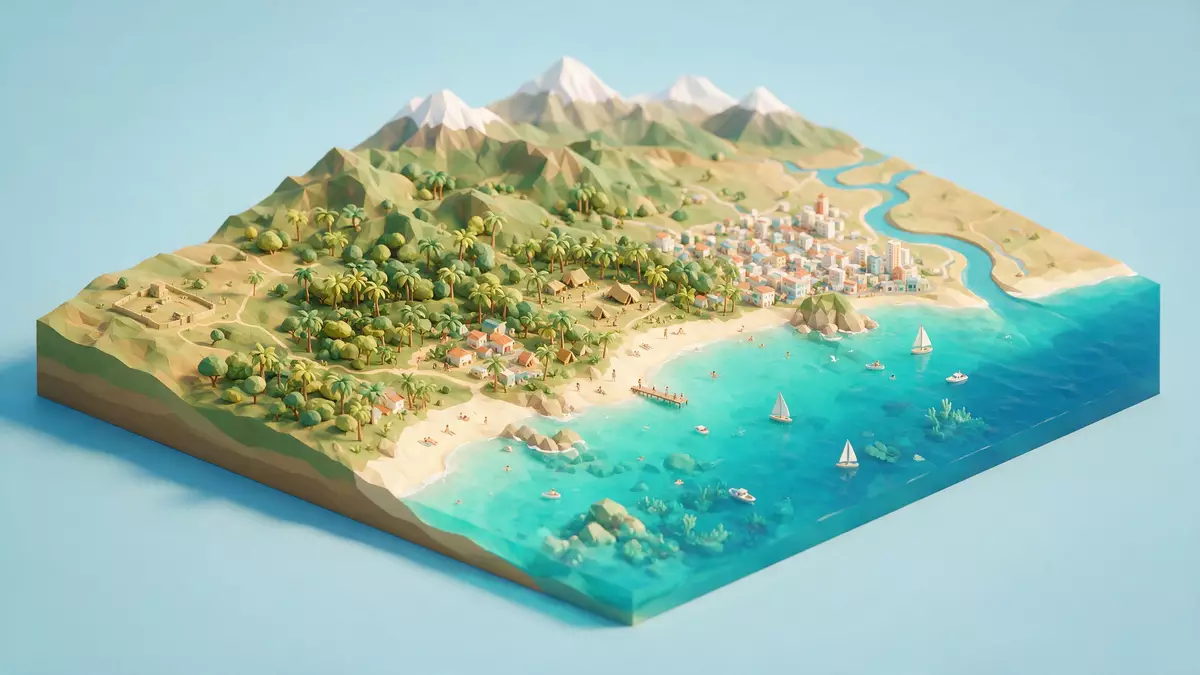
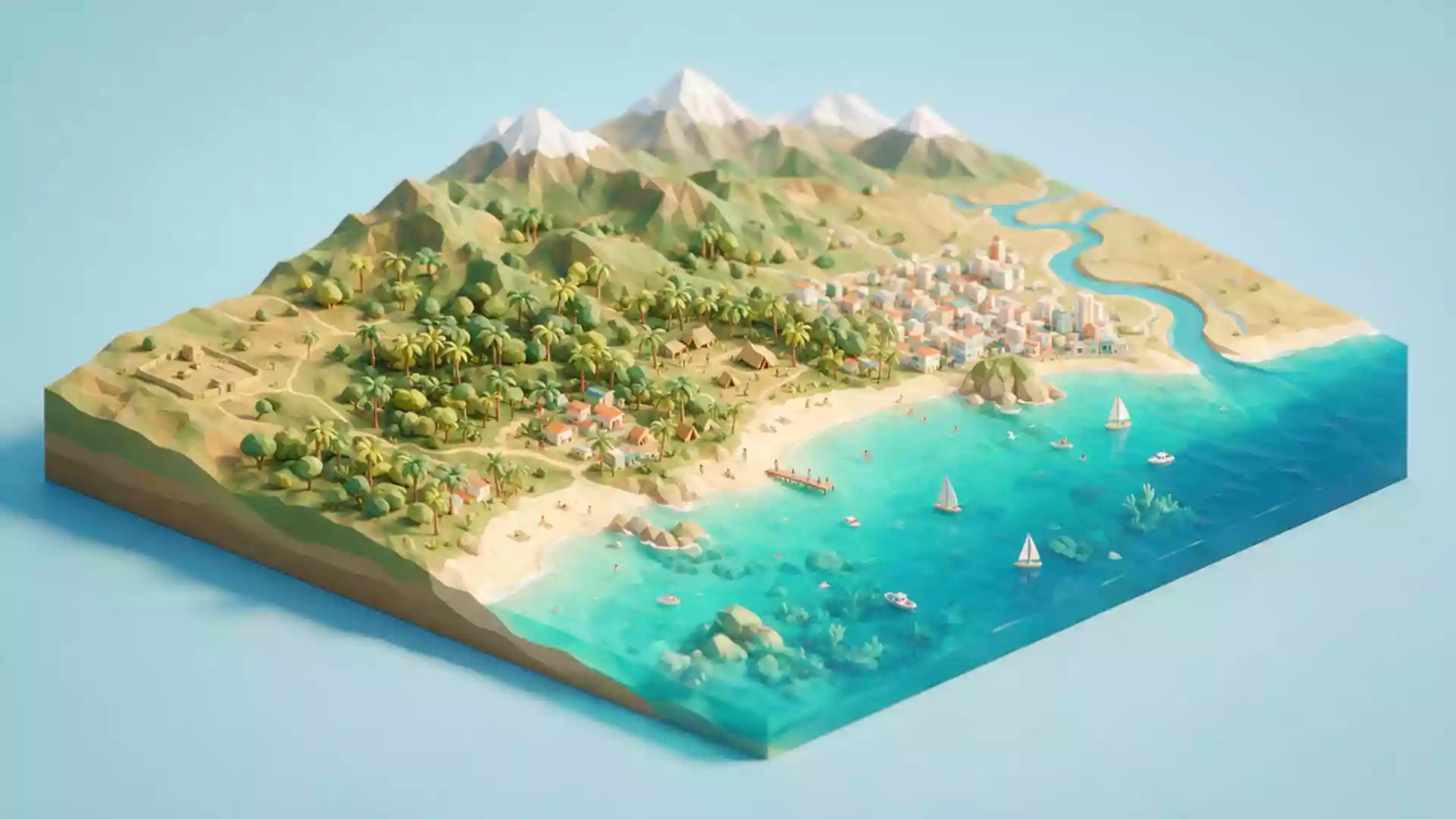
Parque Nacional Natural Tayrona on Colombia’s northern Caribbean coast is a national park where the foothills of the Sierra Nevada de Santa Marta descend towards the sea and break into a sequence of forested slopes, rocky headlands and sandy bays. The protected area lies within the jurisdiction of Santa Marta in the Magdalena Department and combines terrestrial and marine zones along a defined stretch of shoreline.
Mountains meeting the Caribbean
Parque Nacional Natural Tayrona occupies a portion of Colombia’s Caribbean littoral east of Santa Marta, with its territory running between the coastal waters and the lower slopes of the Sierra Nevada de Santa Marta. The park forms part of the municipal area of Santa Marta, linking the city’s hinterland to a rugged coastal landscape where mountain ridges drop towards beaches and inlets.located in the foothills of the Sierra Nevada The national park lies in the Caribbean region of Colombia and belongs to the country’s system of protected areas managed as a National Natural Park.designated as a Colombian Nationalpark
The territory combines coastal forest, rocky shoreline and sandy beaches, creating a compressed band where sea and land interlock. The park’s land area extends inland from the waterline over hills and valleys, while its marine area covers adjacent Caribbean waters and near-shore ecosystems.covers 150 square kilometres of land and 30 of sea Within this compact zone, bays such as Bahía Concha and other coves sit between rocky promontories, and the backdrop of higher peaks in the Sierra Nevada remains visible along much of the coast.foothills descend directly into the sea
A protected landscape created in the twentieth century
Parque Nacional Natural Tayrona was established as a protected area in the second half of the twentieth century, during a period when Colombia designated several national parks to safeguard ecologically important regions. The park’s creation in the 1960s placed its coastal forests and marine habitats under formal protection by the national authorities.established as a national park in 1969 Within the International Union for Conservation of Nature system, Tayrona is managed in the category of a national park, reflecting its role in conserving ecosystems and landscapes.listed under IUCN Category II
The protected area lies in the Department of Magdalena and forms part of Santa Marta’s wider cultural and natural setting. Its boundaries extend along several tens of kilometres of coastline, from sectors closer to Taganga near Santa Marta through bays and river mouths towards the east.stretches between Taganga and the mouth of the Río Piedras Within this frame, Tayrona preserves dry tropical forest on lower slopes, more humid forest in sheltered valleys and a mosaic of coastal ecosystems in the terrestrial zone.hosts matorrales espinosos and bosques secos, húmedos y nublados
Forests, shores and archaeological traces
Beyond the contrast between sea and mountains, Parque Nacional Natural Tayrona is recognised for its variety of ecosystems packed into a relatively small area. Terrestrial habitats include thorny scrub, dry and humid forest and cloud forest on the higher slopes within the park’s altitude range from sea level to several hundred metres.altitude between 0 and 900 metres above sea level On the coast itself, beaches alternate with rocky sections and mangrove stands, and offshore areas include coral formations and seagrass beds.formaciones coralinas and praderas de pastos marinos
The park also contains archaeological remains linked to the Tairona civilisation, which occupied parts of the Sierra Nevada and coastal areas before Spanish colonisation. Within Tayrona’s boundaries, traces of ancient settlements stand near present-day paths and viewpoints, adding a historical layer to the natural scenery.over 250 ancient Tairona archaeological settlements Combined with the surrounding forest and shoreline, these remains make the national park a place where landscape and pre-Columbian heritage appear side by side.
Visiting Parque Nacional Natural Tayrona: what travellers from Western Europe should know
- Parque Nacional Natural Tayrona lies north-east of Santa Marta in Colombia’s Magdalena Department, reached overland on the coastal trunk road towards Riohacha and by sea routes serving bays along the park.
- The park’s terrain is varied, with coastal paths crossing sandy stretches and rocky sections and climbs on forested slopes that can involve extended walking on uneven ground.
- Parque Nacional Natural Tayrona includes low elevations near sea level and hills rising towards the Sierra Nevada de Santa Marta, so routes can combine shoreline sections with ascents and descents through tropical vegetation.
- Parque Nacional Natural Tayrona is in Colombia, where the official language is Spanish and the currency is the Colombian peso.
- Entry requirements depend on your nationality; UK travellers can check the FCDO travel advice at gov.uk/foreign-travel-advice, Irish travellers the Department of Foreign Affairs at ireland.ie.
Searching for Parque Nacional Natural Tayrona on social platforms
These links open searches for Parque Nacional Natural Tayrona on each platform.
Frequently asked questions about Parque Nacional Natural Tayrona
Where is Parque Nacional Natural Tayrona located?
Parque Nacional Natural Tayrona is on Colombia’s northern Caribbean coast in the Department of Magdalena, within the municipal jurisdiction of Santa Marta and east of the city centre.
What can visitors expect on a visit to Parque Nacional Natural Tayrona?
Visitors encounter a coastal national park where forested slopes from the Sierra Nevada de Santa Marta meet sandy bays, rocky shorelines and Caribbean waters within a compact protected area.
What makes Parque Nacional Natural Tayrona distinctive among Colombia’s national parks?
Its distinctive character lies in the close meeting of mountains and sea, the combination of dry and humid tropical forests with beaches and marine habitats, and the presence of Tairona archaeological remains.