
Parque del Retiro in Madrid, from royal gardens to urban landscape
Published on 09/15/2026 at 19:19 | Editorial responsibility: Rafael Müller, Editor-in-Chief AD HOC NEWS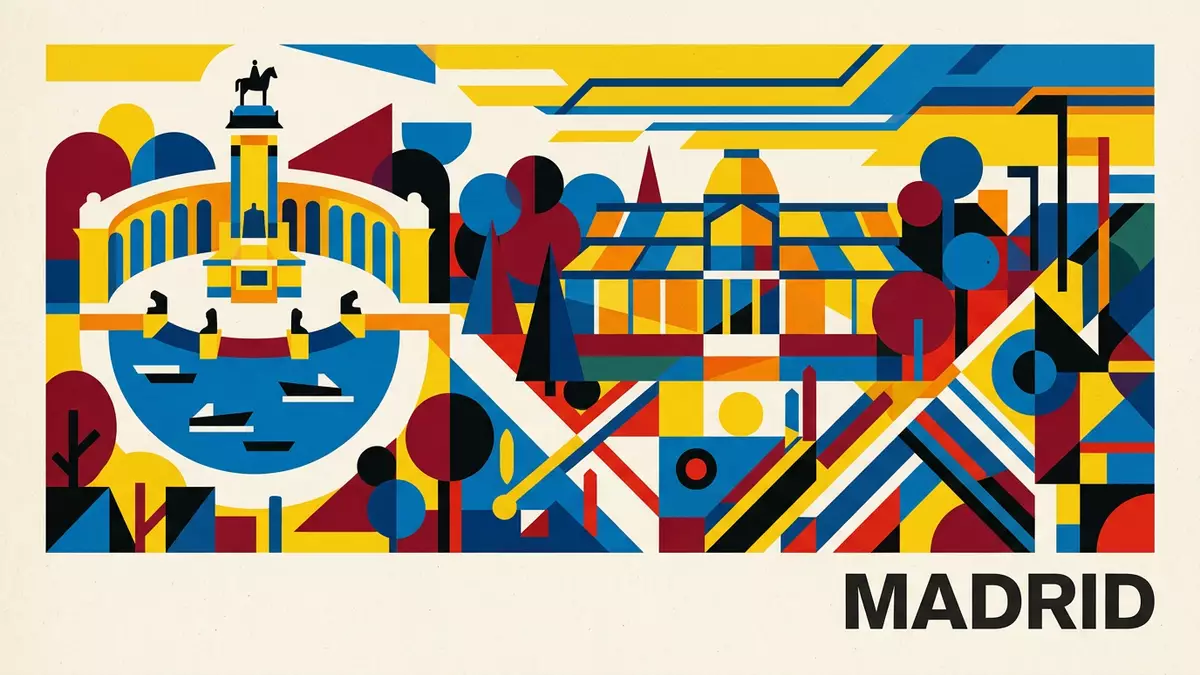
Parque del Retiro in Madrid is a historic urban park that grew from a royal retreat of the seventeenth century into a landscaped expanse of avenues, water and pavilions integrated into the city. Laid out around the former Palacio del Buen Retiro during the reign of Philip IV, it later became a public park under municipal ownership after 1868 and now forms part of the UNESCO cultural landscape “Paseo del Prado and Buen Retiro”.
From courtly retreat to public park
The story of Parque del Retiro begins in the seventeenth century, when Gaspar de Guzmán, better known as the Count-Duke of Olivares, promoted a vast garden and palace complex for King Philip IV beside the Jeronimos monastery.a suntuous space of recreo The gardens and palace formed the Buen Retiro ensemble, an emblem of the Habsburg court’s taste for theatrical display and outdoor leisure.giardini e palazzo Reale del Buon Ritiro
Over the eighteenth and nineteenth centuries, access to the grounds widened and the character of the park shifted from royal preserve to urban amenity. Carlos III allowed recreational entry for the public in 1767, while the Glorious Revolution of 1868 transferred ownership from the monarchy to the city, opening the park fully as a municipal space.cedido al Ayuntamiento de Madrid Since then, Parque del Retiro has developed as a civic landscape with promenades, monuments and cultural venues woven into its original Baroque framework.Parque del Buen Retiro, Madrid
Water, avenues and garden rooms
One of the defining features of Parque del Retiro is its interplay of water and formal planting, inherited from the Baroque layout and reworked over later periods. The Estanque Grande, a broad artificial lake dating back to the early development of the Buen Retiro complex, forms a central focus, edged by promenades and terraces that reflect its origin as an ornamental feature of royal gardens.artificial lake Estanque del Retiro Around it, straight and gently curving avenues lined with trees trace long axes through the park, linking plazas, lawns and denser groves.
Elsewhere, Parque del Retiro fragments into garden rooms with distinct atmospheres and planting styles. Historical sources describe areas of formal parterres, shaded walks and more naturalistic woodland within the original estate, traces of which survive in the present layout alongside nineteenth-century additions.royal garden for the Palacio del Buen Retiro Together, the avenues and garden compartments contribute to the park’s character as a layered landscape where structured geometry and looser greenery coexist.
A cultural landscape within the UNESCO listing
Parque del Retiro does not stand alone; it forms part of a wider cultural ensemble recognised on the UNESCO World Heritage List as “Paseo del Prado and Buen Retiro, a landscape of Arts and Sciences”.Paseo del Prado and Buen Retiro The listing highlights the evolution of the tree-lined Paseo del Prado and adjoining gardens from the sixteenth century onwards as a prototype of the Hispanic alameda, bringing structured nature into the urban core for public enjoyment.space of urban nature that dates back to the mid-16th century
Within this ensemble, Parque del Retiro contributes large expanses of planting, water features and cultural buildings that reflect successive phases of Spanish history. The transformation from royal garden to municipal park after 1868 is one strand, while the continued use of the grounds for exhibitions and leisure activities in the late nineteenth century added new layers of public architecture and sculpture.Retiro Park | Spain, Map, & History As part of the UNESCO property, Parque del Retiro stands as a key piece of the broader landscape where arts, sciences and urban greenery intersect.
Visiting Parque del Retiro: what travellers from Western Europe should know
- Parque del Retiro lies to the east of central Madrid’s historic core, close to the Paseo del Prado and within walking reach of several city centre districts served by metro and suburban rail.
- The park’s terrain is largely level, but visitors encounter long tree-lined avenues, stretches of lawn and some slopes and stairways around terraces and monuments, with substantial distances on foot between different garden areas.
- Madrid is in Spain, where the official language is Spanish and the currency is the euro.
Searching for Parque del Retiro on social platforms
These links open searches for Parque del Retiro on each platform.
Frequently asked questions about Parque del Retiro
Where is Parque del Retiro in Madrid?
Parque del Retiro occupies a large area on the eastern side of central Madrid, adjoining the Paseo del Prado and near major museums and boulevards.
What can visitors expect on a visit to Parque del Retiro?
Visitors encounter tree-lined avenues, an ornamental lake, lawns and garden rooms, together with monuments and cultural buildings set within the historic parkland.
What makes Parque del Retiro distinctive among Madrid’s parks?
Its origin as a seventeenth-century royal garden, later transformation into a municipal park and role within the UNESCO-listed Paseo del Prado and Buen Retiro landscape give it an unusual historical depth.


