
Pao de Acucar, the granite peak above Guanabara Bay
Published on 09/15/2026 at 06:45 | Editorial responsibility: Rafael Müller, Editor-in-Chief AD HOC NEWS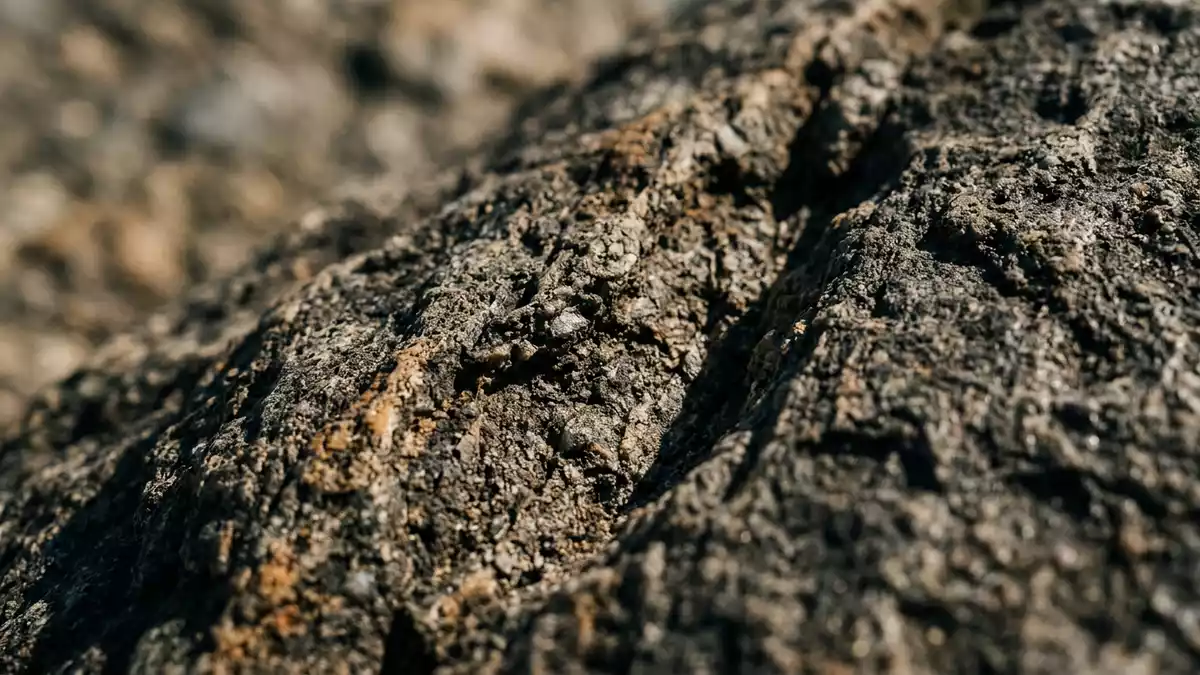
Pao de Acucar in Rio de Janeiro, known in English as Sugarloaf Mountain, rises as a steep granite-and-gneiss peak above the entrance to Guanabara Bay in south-eastern Brazil. Its summit reaches about 396 m (1,299 ft) above sea level, giving the mountain a clear profile against the Atlantic and the urban shoreline below.
A granite monolith at the mouth of Guanabara Bay
Pao de Acucar stands on a narrow peninsula at the mouth of Guanabara Bay, beside the Urca district of Rio de Janeiro and close to Praia Vermelha on the city’s harbour edge.landmark peak overlooking Rio de Janeiro The rock has been identified as augen gneiss linked to older granite bodies, and it forms a near-conical monolith that rises directly from the coastal margin.396 m high near-conical gneiss monolith
The peak belongs to a protected landscape known as the Sugarloaf Mountain and Urca Hill Natural Monument, which covers the twin hills and their surrounding waterfront.Sugarloaf Mountain and Urca Hill Natural Monument Standing at around 396 m (1,299 ft), Pao de Acucar forms part of a short coastal range that separates the inner bay from the open Atlantic and gives the harbour its distinctive rocky frame.Rising 396 m above the harbor
Pao de Acucar and the Bondinho cable cars
The mountain is linked to the city by the Bondinho do Pao de Acucar cable car system, a two-stage cableway that climbs first to Morro da Urca and then to the summit of Sugarloaf.Sugarloaf Cable Car The first section runs between Praia Vermelha and Morro da Urca, which stands at about 220 m (722 ft), while the second section continues up to the top of the 396 m (1,299 ft) peak.Bondinho do Pao de Acucar cable car system
The cable car was envisioned by engineer Augusto Ferreira Ramos in 1908 and opened to the public on 27 October 1912, making it one of the earliest cableways built for passengers.Pão de Açúcar rises 396 meters The original cabins were made of coated wood and carried 22 passengers per trip; later generations of cabins increased the capacity and introduced fully glazed structures, with a major modernisation taking place in the 1970s and further updates in the early 2000s.Sugarloaf bondinho opened in 1912
Rock, harbour and city views
Pao de Acucar forms part of a granite harbour ridge that shapes views over Rio de Janeiro, Guanabara Bay and the Atlantic coastline.granite harbour ridge From the summit area, the city’s beaches, islands and inner bay lie spread out below, with Urca, Botafogo and other districts visible around the water and the coastal hills lining the horizon.views over Rio’s Zona Sul
The mountain’s steep rock faces and coastal setting have made it a recognised site for hiking and rock climbing, and trails from the Praia Vermelha area lead through forest and over rock slabs towards the upper slopes.Guide to Hiking Pão de Açúcar The combination of dense Atlantic forest on lower slopes, exposed gneiss near the summit and the immediate proximity of sea and harbour are all part of what has brought Pao de Acucar into wider landscape and geoheritage recognition.geoheritage site description
Visiting Pao de Acucar: what travellers from Western Europe should know
- Pao de Acucar rises beside the Urca district in Rio de Janeiro, on a peninsula at the mouth of Guanabara Bay, with access points near Praia Vermelha on the harbour edge.
- The terrain on and around the mountain includes steep rock faces and forested slopes, and approaches to higher viewpoints involve gradients and sections of steps on paths and within cable-car stations.
- The site lies within Rio de Janeiro in Brazil; the official language is Portuguese and the currency is the Brazilian real.
- Entry requirements depend on your nationality; UK travellers can check the FCDO travel advice at gov.uk/foreign-travel-advice, Irish travellers the Department of Foreign Affairs at ireland.ie.
Searching for Pao de Acucar on social platforms
These links open searches for Pao de Acucar on each platform.
Frequently asked questions about Pao de Acucar
Where is Pao de Acucar located?
Pao de Acucar stands on a peninsula at the entrance to Guanabara Bay, beside the Urca district in the city of Rio de Janeiro in Brazil.
What can visitors expect on a visit to Pao de Acucar?
Visitors encounter steep coastal rock, forested lower slopes, cable-car stations on Morro da Urca and the summit, and wide views over Rio de Janeiro and its harbour.
What makes Pao de Acucar distinctive among Rio de Janeiro’s hills?
The mountain’s near-conical gneiss form, its 396 m (1,299 ft) height above Guanabara Bay and the historic Bondinho cable cars together give Pao de Acucar a particular presence on the harbour edge.


