
Pao de Acucar’s granite ridge over Guanabara Bay
Published on 09/05/2026 at 16:47 | Editorial responsibility: Rafael Müller, Editor-in-Chief AD HOC NEWS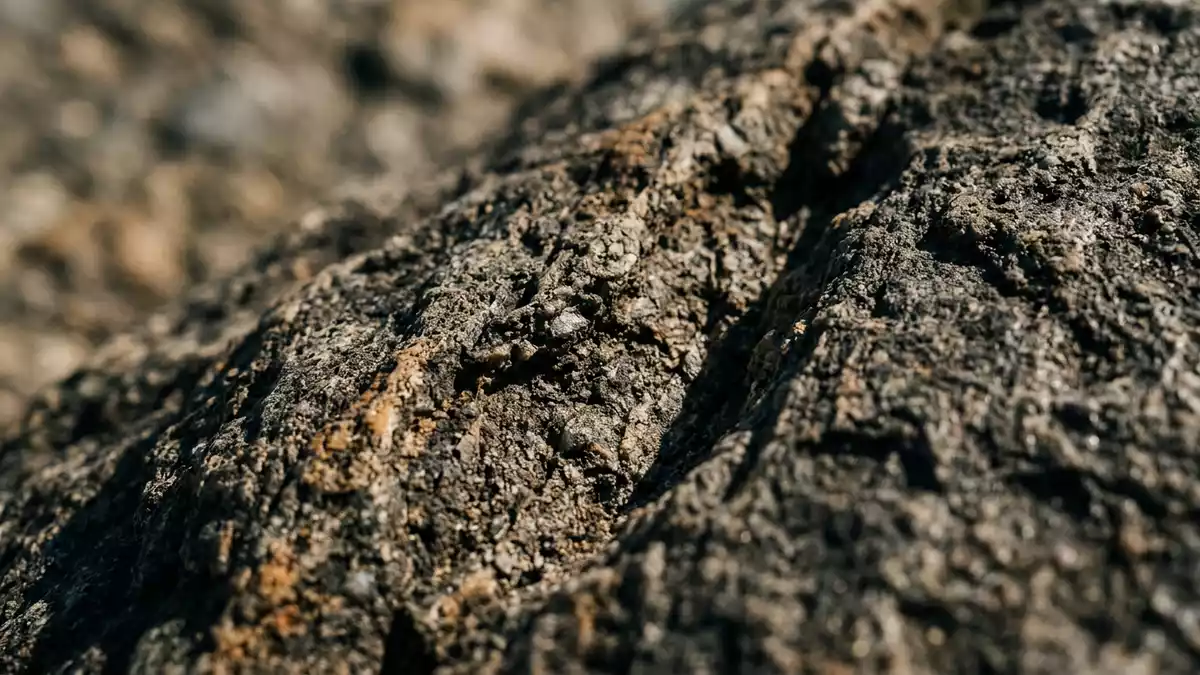
Pao de Acucar rises above the entrance to Guanabara Bay as a granite-and-gneiss peak in Rio de Janeiro. Its steep rock face and harbour setting make the mountain’s outline easy to read from the water.
A harbour peak in granite and gneiss
The mountain belongs to the Sugarloaf Mountain and Urca Hill Natural Monument, part of a protected landscape on Rio’s waterfront. Its summit reaches about 396 m (1,299 ft), and the rock is identified as augen gneiss related to older granite bodies.396 m high
The form is blunt and steep rather than ridge-like. Pale slabs, darker seams and scattered vegetation create a strong contrast across the face, especially where the slopes drop towards the shoreline.augen gneiss
The Bondinho between Praia Vermelha and the summit
The best-known built element on Pao de Acucar is the cable car system, called the Bondinho. It has connected the lower station near Praia Vermelha to Morro da Urca and the upper peak since 1912.since 1912
The route works in two stages, with Morro da Urca as the intermediate point. Transparent cabins and the shift between the lower and upper mountain give the place its most recognisable built feature.two-stage route
Pao de Acucar in Rio’s coastal skyline
From Guanabara Bay, Pao de Acucar reads as a natural marker at the city edge rather than as a separate urban monument. It sits in the Urca district, where the rock rises straight from the coastal fringe and meets the built city at close range.
The mountain is part of a wider group of Rio landmarks that includes Corcovado and the Tijuca landscape. In that context, Pao de Acucar is one of the clearest examples of a raw rock mass framed by a dense city and a busy harbour.granite peak
Visiting Pao de Acucar: what travellers from Western Europe should know
- The mountain rises in Urca, at the edge of Guanabara Bay in Rio de Janeiro. It is reached by the Bondinho from Praia Vermelha and Morro da Urca.
- The terrain is steep rock, with exposed slopes and a high summit. The cable car avoids a long climb on foot.
- The official language is Portuguese and the currency is the Brazilian real.
- Entry requirements depend on your nationality; UK travellers can check the FCDO travel advice at gov.uk/foreign-travel-advice, Irish travellers the Department of Foreign Affairs at ireland.ie.
Searching for Pao de Acucar on social platforms
These links open searches for Pao de Acucar on each platform.
Frequently asked questions about Pao de Acucar
Where is Pao de Acucar?
It stands in Rio de Janeiro, at the mouth of Guanabara Bay, in the Urca district. The peak rises directly from the harbour edge.
What does a visit involve?
The main experience is the Bondinho cable car, which moves between Praia Vermelha, Morro da Urca and the summit. The mountain itself is steep and rocky.
What makes Pao de Acucar distinctive?
Its profile is a raw granite-and-gneiss mass set against one of Brazil’s busiest city harbours. The combination of geology, height and cable-car access gives it its character.


