
Museo Nacional Centro de Arte Reina Sofia and the art of twentieth?century Spain
Published on 08/27/2026 at 07:36 | Editorial responsibility: Rafael Müller, Editor-in-Chief AD HOC NEWS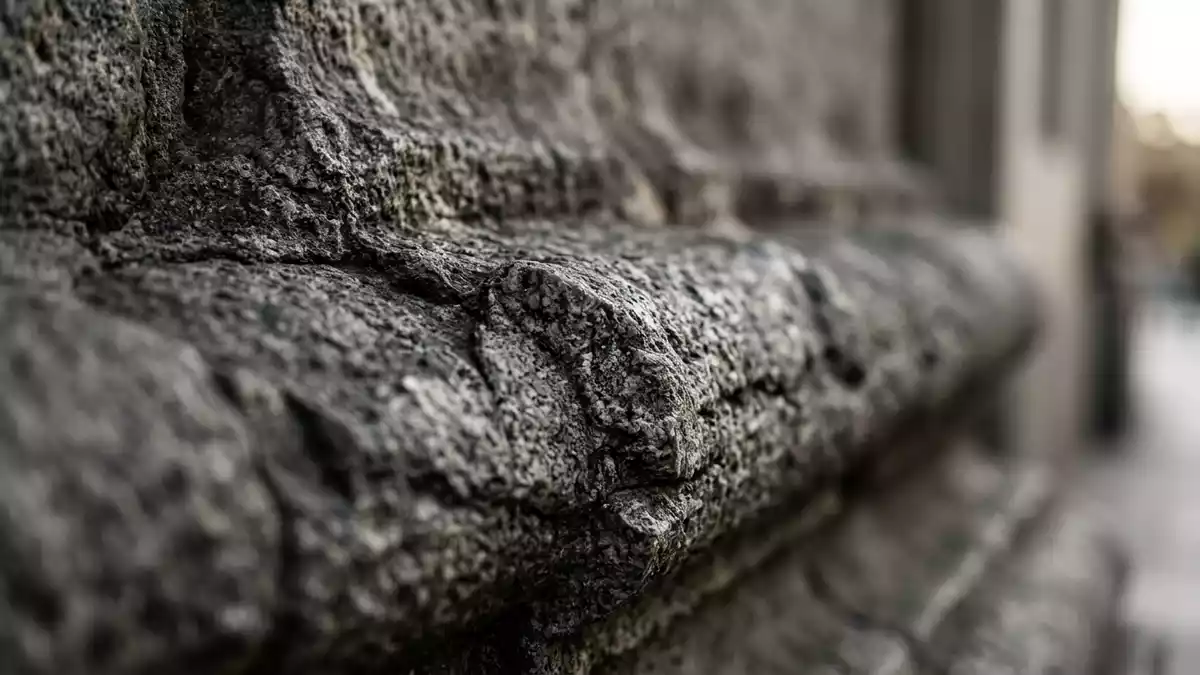
Museo Nacional Centro de Arte Reina Sofia in Madrid is Spain’s national museum dedicated to twentieth?century and contemporary art, housed in a former royal hospital that has been reshaped into a vast exhibition complex. Opened as a museum in the late twentieth century, it now anchors a major collection of modern Spanish art with Pablo Picasso’s “Guernica” at its centre.
From royal hospital to modern art museum
The core of Museo Nacional Centro de Arte Reina Sofia occupies the historic Hospital de San Carlos, near Madrid’s Atocha rail hub on Calle de Santa Isabel in the city’s central district. The hospital traces its origins to the sixteenth century, when King Philip II centralised different medical facilities at this site, and was substantially rebuilt in the eighteenth century under architect Francesco Sabatini for King Charles III.Hospital de San Carlos The present museum organisation, Museo Nacional Centro de Arte Reina Sofia, was created by Royal Decree 535/88 of 27 May 1988, and the permanent collection was inaugurated on 10 September 1992 by King Juan Carlos and Queen Sofia.permanent collection inaugurated in 1992
The eighteenth?century building is arranged around courtyards, with long façades and a rectilinear plan typical of the period. After the hospital closed in 1965 the complex survived proposals for demolition and was declared a Historic?Artistic Monument in 1977, securing its protection as heritage architecture.Historic?Artistic Monument Restoration works in the 1980s adapted the interior for galleries, while preserving the masonry shell and the ordered rhythm of windows and arcades that still frame the museum’s main courtyards.
Architecture: Sabatini and Jean Nouvel in dialogue
One of the striking features of Museo Nacional Centro de Arte Reina Sofia is the contrast between the sober eighteenth?century hospital structure and the contemporary extension by French architect Jean Nouvel. As the museum expanded its collections and activities, additional exhibition and public space was commissioned, culminating in the construction of a new building unveiled in September 2005 beside the historic complex.new building designed by Jean Nouvel The Nouvel building provides large, flexible galleries and a separate entrance on Ronda de Atocha, adding a markedly contemporary presence to the ensemble.
The museum complex is part of Madrid’s “Golden Triangle of Art”, a grouping of major institutions along the Paseo del Prado that also includes the Museo del Prado and the Museo Thyssen?Bornemisza.Golden Triangle of Art For visitors, this means Museo Nacional Centro de Arte Reina Sofia forms one corner of a walkable circuit of museums, with the Sabatini building and the Nouvel extension offering different architectural atmospheres: stone walls and courtyards in the former, steel and modern materials in the latter.
Collections centred on Picasso’s “Guernica”
Museo Nacional Centro de Arte Reina Sofia holds Spain’s national collection of twentieth?century art, with a focus on Spanish artists and their international context.national museum of 20th?century art The most emblematic single work is “Guernica”, Picasso’s large monochrome painting from 1937 that responds to the bombing of the Basque town of the same name during the Spanish Civil War. The painting was transferred to Museo Nacional Centro de Arte Reina Sofia in 1992, when it entered the permanent collection, and the museum regards it as a focal point for organising and interpreting its holdings.Guernica as focal point
The galleries around “Guernica” set the canvas in dialogue with works by other Spanish and international artists from the same era, making the painting part of a broader narrative of war, avant?garde experimentation and political change. Beyond Picasso, the museum’s collection encompasses important works by artists such as Salvador Dalí and Joan Miró, among others, giving a wide?ranging view of modern Spanish painting and sculpture.modern and contemporary art collection Photography, installation and other media extend the story into the later twentieth century and contemporary practice.
Visiting Museo Nacional Centro de Arte Reina Sofia: what travellers from Western Europe should know
- Museo Nacional Centro de Arte Reina Sofia stands on Calle de Santa Isabel, south?east of central Madrid’s historic core, close to Estación del Arte and Madrid Atocha mainline and metro stations.
- The museum’s main historic building is arranged around large courtyards, with long internal corridors and staircases; visiting the permanent collection involves extended indoor walking between different wings and levels.
- The museum forms part of the Paseo del Prado museum district, with Museo del Prado and Museo Thyssen?Bornemisza within walking distance for travellers planning a wider art itinerary in Madrid.
- Spain’s official language is Spanish and the currency is the euro.
Searching for Museo Nacional Centro de Arte Reina Sofia on social platforms
These links open searches for Museo Nacional Centro de Arte Reina Sofia on each platform.
Frequently asked questions about Museo Nacional Centro de Arte Reina Sofia
Where is Museo Nacional Centro de Arte Reina Sofia located in Madrid?
Museo Nacional Centro de Arte Reina Sofia stands on Calle de Santa Isabel near Estación del Arte and Madrid Atocha stations, in the central area of Spain’s capital.
What can visitors expect during a visit to Museo Nacional Centro de Arte Reina Sofia?
Visitors move through historic and contemporary buildings housing extensive twentieth?century and contemporary art collections, with Picasso’s “Guernica” displayed as a central work.
What makes Museo Nacional Centro de Arte Reina Sofia distinctive among Madrid’s museums?
It combines an eighteenth?century hospital complex and a Jean Nouvel extension with Spain’s national twentieth?century art collection, forming part of the city’s Golden Triangle of Art.


