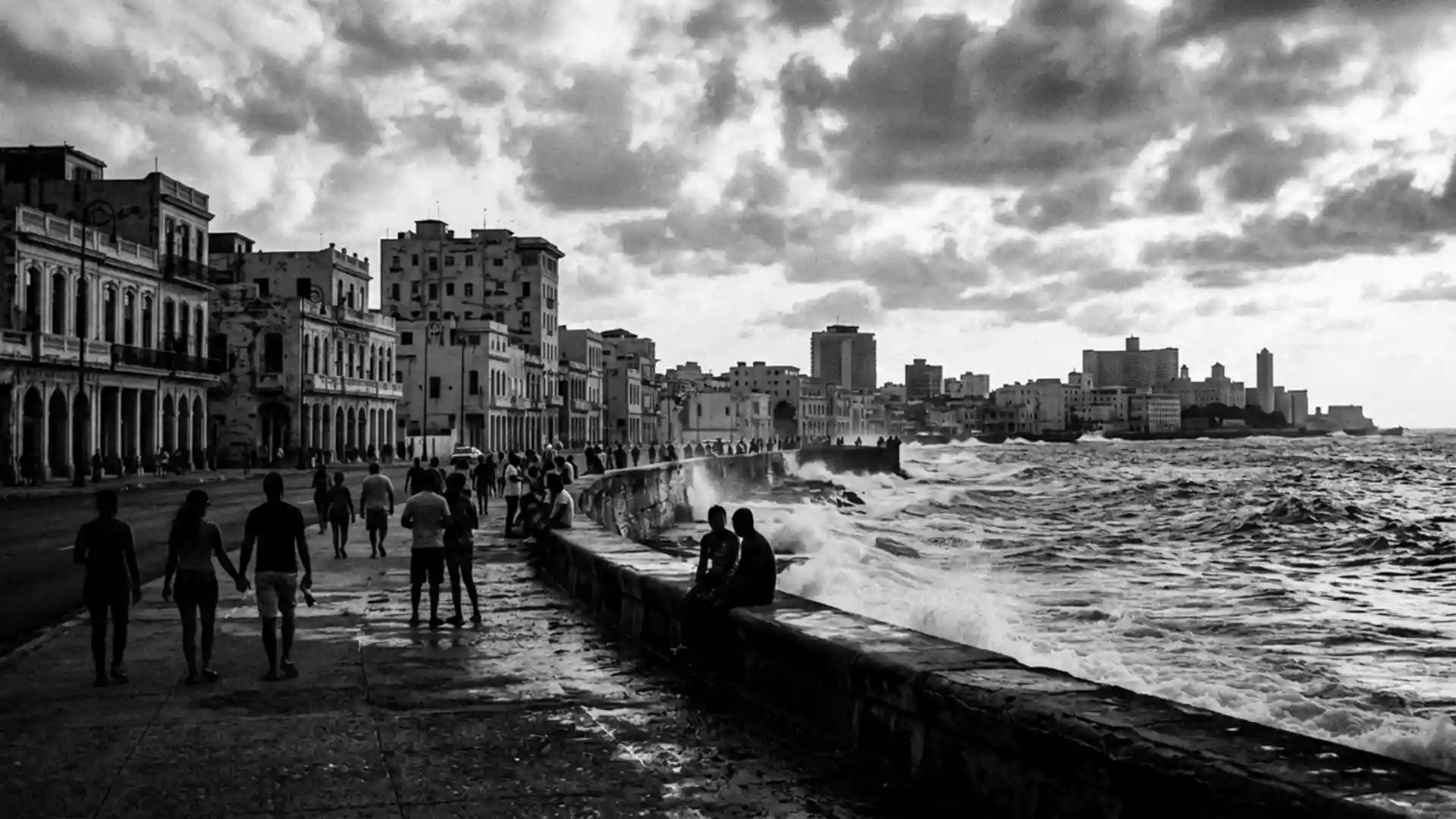
Malecon in Havanna, Havana’s long stone edge by the sea
Published on 08/31/2026 at 10:01 | Editorial responsibility: Rafael Müller, Editor-in-Chief AD HOC NEWS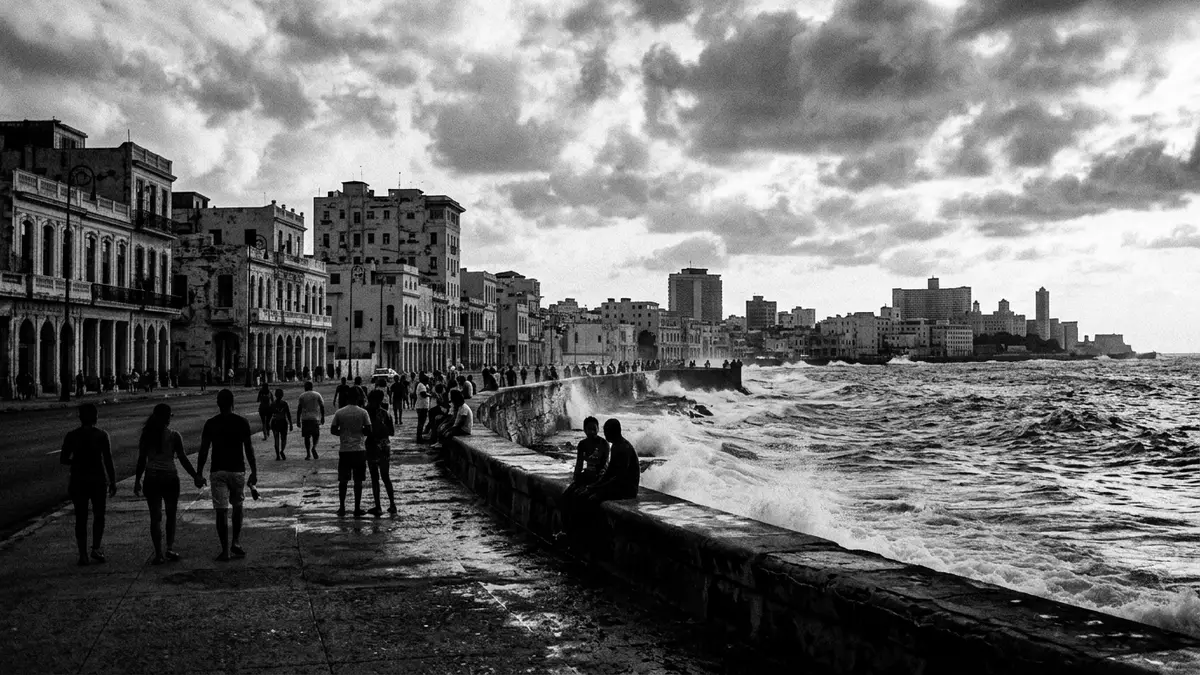
Malecon in Havanna is Havana’s long stone edge between city and sea, a combined seawall, roadway and promenade that follows the curve of the capital’s north shore in the early twentieth century.
A continuous line between harbour and river
The defining feature of Malecon is its continuous line along the coast, a broad esplanade and seawall running for about 8 km (5 mi) on the north side of Havana, from the mouth of Havana Harbour beside Old Havana through Centro Habana and Vedado towards the Almendares River.broad esplanade and seawall The Spanish word “malecón” itself refers to a seawall or waterfront promenade, and in Havana the term has become shorthand for the entire coastal avenue. The official road name Avenida de Maceo commemorates José Antonio Maceo, a leading figure of the Cuban independence wars in the late nineteenth century.Avenida de Maceo
The structure combines a multi-lane carriageway with a wide paved walkway and a continuous sea wall built in reinforced concrete and stone, tracing the city’s edge along the Straits of Florida.Uferstraße im Norden It begins near the Castillo de San Salvador de la Punta at the harbour entrance and reaches westwards towards Vedado and the mouth of the Almendares, tying together Havana’s historic quarters and newer districts in a single waterfront band.runs along the northern edge of Havana
From early twentieth-century seawall to city promenade
Construction of Malecon began in 1901 under United States military administration, with initial sections raised above the sea to protect exposed streets near the harbour from waves and spray.Bau wurde im Jahr 1901 begonnen Work on further stretches continued through the 1920s, 1930s and 1950s, extending the seawall and avenue from the old harbour district towards Vedado and eventually the Almendares, so that the promenade came to frame almost the entire northern waterfront of Havana.construcción comenzó el 6 de mayo de 1901
The design combines an elevated roadway with a robust sea-facing wall and broad pavements, turning a functional coastal defence into a linear public space. Over the decades, masonry, concrete and asphalt have been extended, repaired and raised in sections, yet the essential profile of the avenue has remained recognisable: traffic lanes inland, a long walking strip directly beside the sea and the protective wall forming the outer edge. In many stretches the urban fabric presses close to the promenade, with residential blocks, hotels and public buildings set only a short distance from the water.
Malecon as Havana’s waterfront gathering place
Malecon functions simultaneously as a transport artery, a fishing edge, a social stage and Havana’s principal waterfront promenade, a place where streets, buildings and the sea meet along a single continuous band of stone and asphalt.transportation artery and social gathering place The wall offers uninterrupted views along the coastline and out towards the Straits of Florida, while the wide walkway provides space for strolling, informal gatherings and everyday life at the water’s edge. Sections near Habana Vieja and Centro Habana are lined with historic facades, some weathered by salt air, and further west the avenue passes landmarks such as Hotel Nacional set above the waterfront.
Because the promenade runs across several districts, each stretch has its own character, from the older harbour-adjacent blocks to the broader frontages of Vedado. Yet the unifying element is the physical presence of the seawall and esplanade: a long, slightly curving edge that marks where the fabric of Havana meets the open sea. For travellers from Western Europe, Malecon frames many of the city’s most recognisable waterfront views and can be incorporated with visits to Habana Vieja, Centro Habana and Vedado without leaving the urban area.
Visiting Malecon: what travellers from Western Europe should know
- Malecon follows the north coast of Havana in Cuba, running from the harbour entrance beside Habana Vieja past Centro Habana towards Vedado and the mouth of the Almendares River. It is reached by city streets and coastal roads rather than by a dedicated access route.
- The promenade consists of long paved walkways beside a substantial sea wall, alongside a multi-lane urban roadway. Walking sections involve level surfaces but can extend over several kilometres, and access from cross streets may require crossing traffic lanes.
- The official language is Spanish and the currency is the Cuban peso.
- Entry requirements depend on your nationality; UK travellers can check the FCDO travel advice at gov.uk/foreign-travel-advice, Irish travellers the Department of Foreign Affairs at ireland.ie.
Searching for Malecon on social platforms
These links open searches for Malecon on each platform.
Frequently asked questions about Malecon
Where is Malecon in Havanna located?
Malecon runs along the northern waterfront of Havana in Cuba, from the entrance to Havana Harbour beside Habana Vieja through Centro Habana and Vedado towards the Almendares River.
What can visitors expect on a walk along Malecon?
Visitors encounter a long urban seawall with wide pavements beside a multi-lane road, views over the Straits of Florida and changing frontages as the promenade passes different districts.
What makes Malecon distinctive compared with other streets in Havana?
Malecon combines the functions of major roadway, esplanade and coastal defence in a single structure, tracing an unbroken edge between the built city and the open sea.