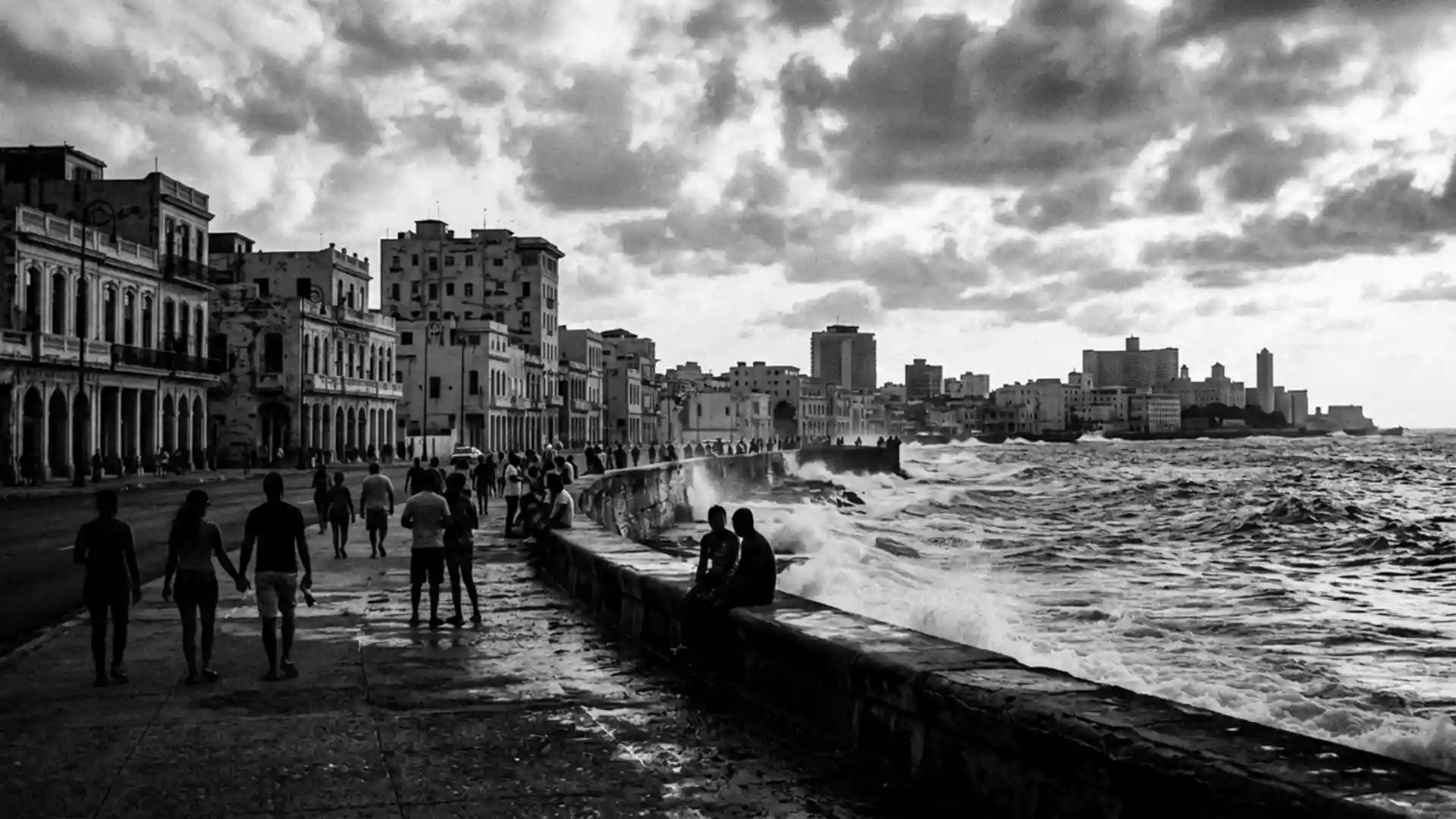
Malecon, Havana’s long stone edge between city and sea
Published on 08/19/2026 at 16:05 | Editorial responsibility: Rafael Müller, Editor-in-Chief AD HOC NEWS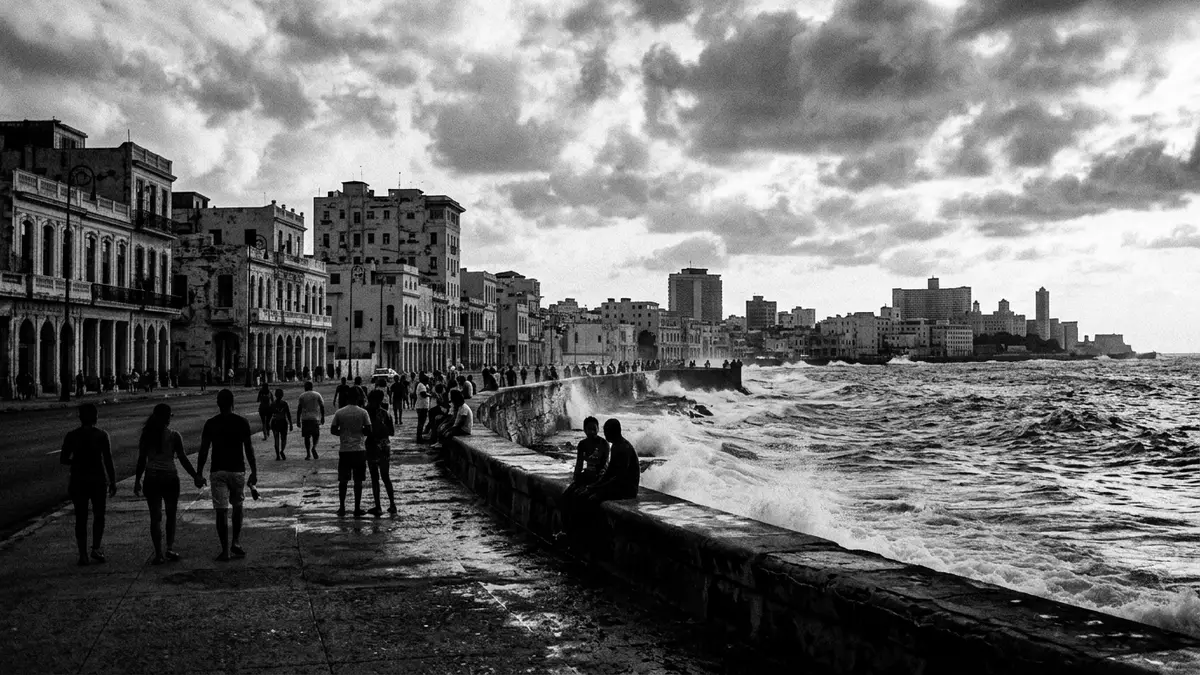
Malecon in Havanna is a long band of stone and asphalt where Havana meets the sea, a combined seawall, roadway and promenade laid out along the city’s north shore in the early twentieth century.Avenida de Maceo is the official name of this coastal thoroughfare, which follows the curve of the harbour mouth and then the open coastline of Cuba’s capital.
A continuous curve along Havana’s northern shore
The defining feature of Malecon is its continuous line along the shore, a broad esplanade and seawall running for about 8 km (5 mi) on the north side of Havana.The promenade stretches from the entrance to Havana Harbour beside Old Havana, past Centro Habana and on to the Vedado district, ending near the mouth of the Almendares River.
The structure combines a stone wall facing the Straits of Florida with a wide carriageway and pavement, so traffic and pedestrians share the same coastal strip.The roadway and walkway follow the natural sweep of the coastline, and in places a simple parapet separates the paved surface from the rocks and water below.
From early twentieth-century project to city symbol
Construction of Malecon began in 1901 under the United States military government, as Havana’s authorities sought a more substantial edge to the city’s exposed northern frontage.Work started in 1901 near La Punta, the colonial fort at the harbour mouth, and advanced westwards in several stages over the first half of the twentieth century.
The official designation Avenida de Maceo commemorates Antonio Maceo, a leading general of the Cuban War of Independence in the late nineteenth century.The avenue’s name ties the sea road to this figure of Cuban history, while the colloquial name Malecón reflects its role as a seawall.
Architecture, districts and daily scenes along the wall
Walking along Malecon links a sequence of Havana neighbourhoods, from the fortified edge of Old Havana through the dense streets of Centro Habana to the wider avenues of Vedado.The promenade passes the bastions of La Punta, early twentieth-century hotels, rows of mid-century apartment blocks and occasional modern towers facing the sea.
The architecture on the landward side ranges from neoclassical facades and Art Deco blocks to more utilitarian concrete structures, many with balconies that look directly over the roadway and seawall.The built frontage forms a near-continuous street wall, and gaps reveal cross streets leading back into the grid of Havana’s inland districts.
Visiting Malecon: what travellers from Western Europe should know
- Malecon runs along the northern edge of Havana between Old Havana, Centro Habana and Vedado, following the coastline towards the mouth of the Almendares River.
- The seawall forms a long, low barrier directly beside the water, with a broad pavement; waves can reach the wall in rough weather, and there is no shade along many sections.
- The promenade is part of the city’s main road network, so pedestrians share space with traffic and cross several junctions where coastal avenues meet streets running inland.
- The official language is Spanish and the currency is the Cuban peso.
- Entry requirements depend on your nationality; UK travellers can check the FCDO travel advice at gov.uk/foreign-travel-advice, Irish travellers the Department of Foreign Affairs at ireland.ie.
Searching for Malecon on social platforms
These links open searches for Malecon on each platform.
Frequently asked questions about Malecon
Where is Malecon in Havanna?
Malecon follows the north coast of Havana, running from the harbour entrance beside Old Havana westwards past Centro Habana towards Vedado and the Almendares River.
What should visitors expect on a walk along Malecon?
Visitors encounter a long paved strip beside the sea, with a stone wall, a multi-lane road, views over the Straits of Florida and continuous urban frontage on the landward side.
What makes Malecon distinctive among Havana’s streets?
Malecon combines the functions of seawall, main road and public promenade, extending for about 8 km (5 mi) in a single line between the city and the open sea.