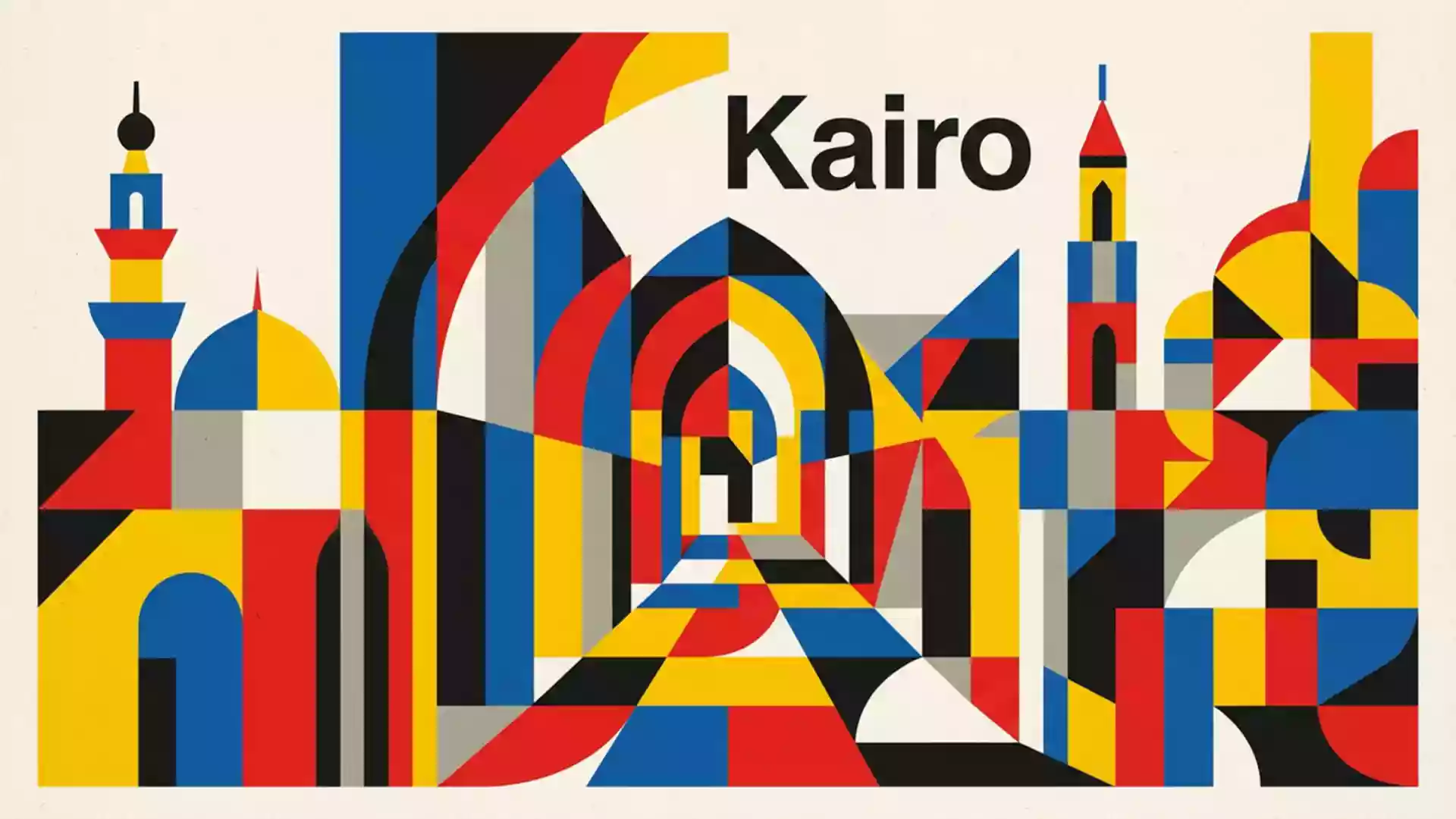
Khan el-Khalili, Cairo’s layered bazaar of stone and trade
Published on 08/26/2026 at 12:26 | Editorial responsibility: Rafael Müller, Editor-in-Chief AD HOC NEWS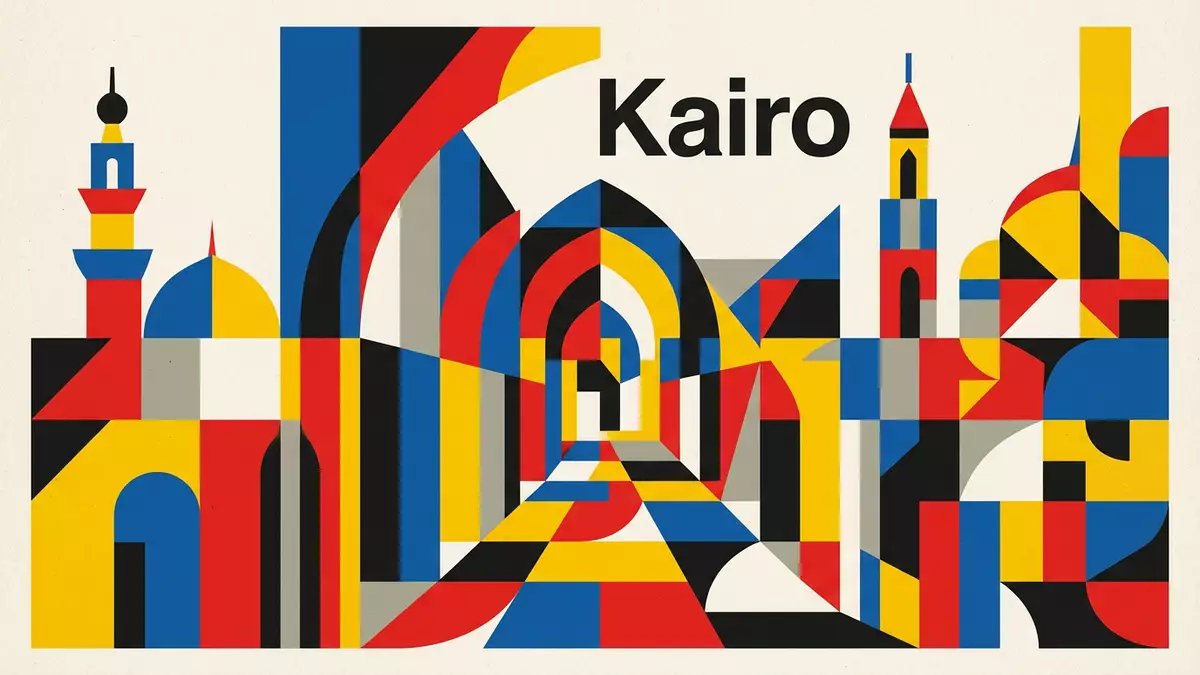
In the old centre of Kairo, Khan el-Khalili gathers centuries of stone, trade and narrow alleys into a single dense bazaar district. Founded in the late fourteenth century under the Mamluk sultan Barquq, it remains a marketplace woven into the historic fabric of Islamic Cairo.
Mamluk foundations in Islamic Cairo
Khan el-Khalili stands in the historic core known as Islamic Cairo, close to Al-Hussein Mosque and the Al-Azhar mosque-university complex. The bazaar district occupies land inside the Fatimid city laid out after 969, when the Fatimid caliphs founded Cairo as their new capital.inside the Fatimid city Traders have operated on this site since the fourteenth century, when caravan traffic across North Africa and the eastern Mediterranean converged on the Egyptian capital.traders have operated
The bazaar takes its name from the Mamluk emir Jaharkas al-Khalili, master of the stables under Sultan Barquq, who established a caravanserai here between 1382 and 1389.between 1382 and 1389 That first khan formed part of a wider rebuilding of Cairo after outbreaks of plague in the fourteenth century.a wider rebuilding of Cairo In the early sixteenth century, the Mamluk sultan al-Ghuri reworked the area again, adding his own complex and reshaping the commercial district into a more formalised bazaar.
A stone labyrinth of lanes and caravanserais
Visitors entering Khan el-Khalili step into a network of lanes, covered passages and courtyards framed by Mamluk and Ottoman architecture. Many of the main alleys run between stone-built façades with carved doorways and projecting upper storeys, a form associated with traditional Islamic urban design.stone-built façades with carved doorways Behind the shopfronts stand wakalas, the merchant inns that once housed caravans and stored goods, arranged around inner courtyards.
The bazaar retains monumental gateways from the Mamluk period, which mark transitions between market streets and frame views into the trading quarter.monumental gateways Some sections of the market are roofed with masonry vaults or domed covers, while others remain open to the sky above the lane. Mashrabiya screens and shuttered windows overlook the streets, a reminder that workshops and lodging rooms occupy the upper levels above the shops.
Centuries of trade, crafts and stories
Since the fifteenth century, Khan el-Khalili has functioned as a commercial centre for merchants from across the Middle East, North Africa and the Mediterranean.merchants from across the Middle East Historical accounts describe lanes organised by trade, with goldsmiths, coppersmiths, spice dealers and textile merchants clustered in particular streets.lanes organised by trade The bazaar’s guild-based structure linked families and trades over generations, embedding commerce deeply into the social life of Cairo.
Literature has also fixed Khan el-Khalili in cultural memory. Naguib Mahfouz, the Egyptian Nobel laureate, set his 1947 novel “Midaq Alley” in a side street of this quarter, capturing the textures of a dense urban neighbourhood within the wider bazaar.Naguib Mahfouz The combination of trading spaces, religious buildings and residential structures makes the area a compact example of a historic Islamic city district that has continued to function as a marketplace into the twenty-first century.
Visiting Khan el-Khalili: what travellers from Western Europe should know
- Khan el-Khalili lies in the historic Islamic Cairo district of Kairo, near Al-Hussein Mosque and the Al-Azhar mosque-university complex.
- The market’s lanes are narrow, with uneven stone paving and occasional steps, and some sections run under covered passages while others are open to the sky.
- Arabic is the official language and the currency is the Egyptian pound.
- Entry requirements depend on your nationality; UK travellers can check the FCDO travel advice at gov.uk/foreign-travel-advice, Irish travellers the Department of Foreign Affairs at ireland.ie.
Searching for Khan el-Khalili on social platforms
These links open searches for Khan el-Khalili on each platform.
Frequently asked questions about Khan el-Khalili
Where is Khan el-Khalili in Kairo?
Khan el-Khalili is in the Islamic Cairo district of Kairo, close to Al-Hussein Mosque and the Al-Azhar mosque-university complex.
What should visitors expect inside the bazaar?
Visitors encounter a maze of narrow lanes lined with shops, historic stone façades, covered passages, and courtyards that once served as caravanserais.
What makes Khan el-Khalili distinctive?
Khan el-Khalili is distinctive for its fourteenth-century Mamluk origins, its layered architecture of gateways and wakalas, and its continuous role as a trading district.