
Habana Vieja, Havanna’s stone grid between bay and fortifications
Published on 08/28/2026 at 07:46 | Editorial responsibility: Rafael Müller, Editor-in-Chief AD HOC NEWS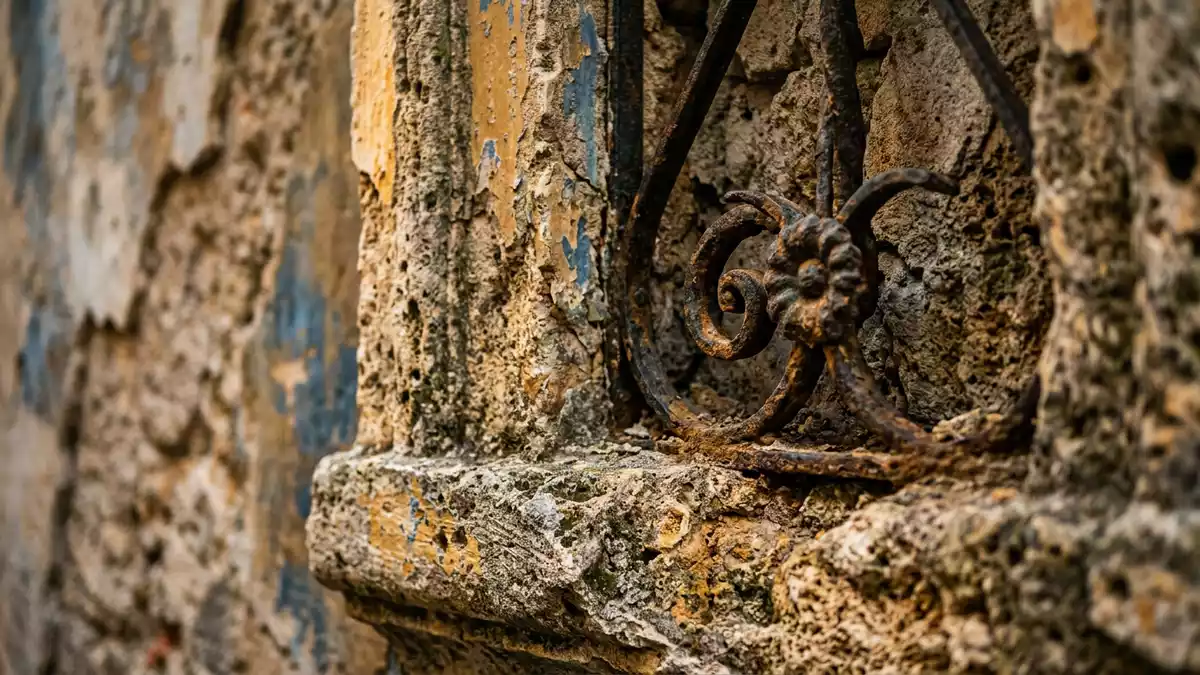
Habana Vieja, also known as Old Havana, forms the historic heart of Havanna, the part of Cuba’s capital where the colonial city grew around Havana Bay in the sixteenth century. In 1982 Old Havana and its Fortification System were inscribed as a cultural World Heritage Site, recognising the district’s dense mix of baroque and neoclassical architecture around a tight grid of streets and plazas.
Streets, plazas and a city shaped by the bay
Habana Vieja occupies the eastern section of urban Havanna, pressed between the water of Havana Bay and the later city extensions to the west, and retains the outline of the old walled town within its municipal boundary.the walled heart of Havanna Within this area the streets follow a grid laid out during the early Spanish period, with long, narrow blocks that draw movement towards open squares and the waterfront.
Several plazas structure the district, each reflecting a different aspect of colonial Havana. Plaza de Armas grew beside the harbour as an administrative focus, surrounded by official residences and guarded routes towards the city’s fortifications.four main plazas Plaza de la Catedral centres on Havana Cathedral, whose baroque facade helps define the square’s character within a cluster of religious buildings.Old Havana and its Fortification System Plaza Vieja and Plaza de San Francisco de Asís add commercial and maritime layers, linking the grid of streets directly to markets and the harbour.
From colonial port to UNESCO World Heritage district
The Spanish founded Havana in 1519 on the sheltered bay that now defines Habana Vieja, establishing the town as a key port on the routes between Europe and the Americas.founded by the Spanish in 1519 By the seventeenth century the harbour acted as a staging point for treasure fleets and a centre for shipbuilding, embedding maritime work into the streets and warehouses around the water’s edge.colonial city on Atlantic routes
The recognition of Old Havana and its Fortification System as a World Heritage Site in 1982 emphasised both the surviving military works and the civil fabric beyond them.World Heritage listing in 1982 City walls once enclosed the core of Habana Vieja, and although those fortifications no longer stand in full, their line corresponds to the edge of the historic district.boundary of the former city walls Within that boundary stand hundreds of historic buildings that range from restored palaces and churches to worn apartment blocks, giving the streets an uneven but continuous architectural surface.
Stone, styles and everyday life in Habana Vieja
The architecture of Habana Vieja reflects several centuries of European influence adapted to Caribbean conditions. Baroque and neoclassical styles dominate the major churches and civic buildings, their stone facades and colonnades framing balconies and inner courtyards.baroque and neoclassical style Later periods introduced additional details, including art deco elements on some commercial streets, yet the district’s core remains defined by its colonial forms.architecture of Cuba
Beyond the set pieces of plazas and churches, Habana Vieja retains narrow residential streets where balconies extend over the pavements and internal courtyards sit behind heavy doors. The Malecón sea drive bends past parts of the municipality as it approaches the entrance to Havana Bay, linking the stone grid of the old town to the open shoreline.compact district between bay and seafront Within this setting Habana Vieja functions both as a historic centre with museums, churches and formal squares and as a lived-in neighbourhood where everyday routines unfold among buildings that date back several centuries.
Visiting Habana Vieja: what travellers from Western Europe should know
- Habana Vieja forms one of the municipalities of Havanna, covering the historic core on the western side of Havana Bay; it links directly to the broader city through streets and avenues that meet the Malecón seafront road.
- The district’s interior is best understood as a compact urban grid, with many routes involving uneven pavements, cobbled sections and frequent crossings of narrow streets.
- Several of the main plazas, including Plaza de Armas, Plaza de la Catedral, Plaza Vieja and Plaza de San Francisco de Asís, stand within walking distance of each other, connected by streets lined with historic buildings and occasional short flights of steps.
- The official language is Spanish and the currency is the Cuban peso.
- Entry requirements depend on your nationality; UK travellers can check the FCDO travel advice at gov.uk/foreign-travel-advice, Irish travellers the Department of Foreign Affairs at ireland.ie.
Searching for Habana Vieja on social platforms
These links open searches for Habana Vieja on each platform.
Frequently asked questions about Habana Vieja
Where is Habana Vieja within Havanna?
Habana Vieja occupies the historic core of Havanna beside Havana Bay, forming one of the capital’s municipalities and connecting directly to the waterfront and neighbouring districts.
What can visitors expect during a walk through Habana Vieja?
Visitors encounter a tight grid of narrow streets, stone plazas framed by churches and civic buildings, and a mix of restored facades and weathered residential blocks.
What makes Habana Vieja distinctive among historic districts?
Habana Vieja combines a documented sixteenth-century port foundation, a recognised World Heritage inscription and a concentration of colonial architecture that remains part of a lived urban neighbourhood.


