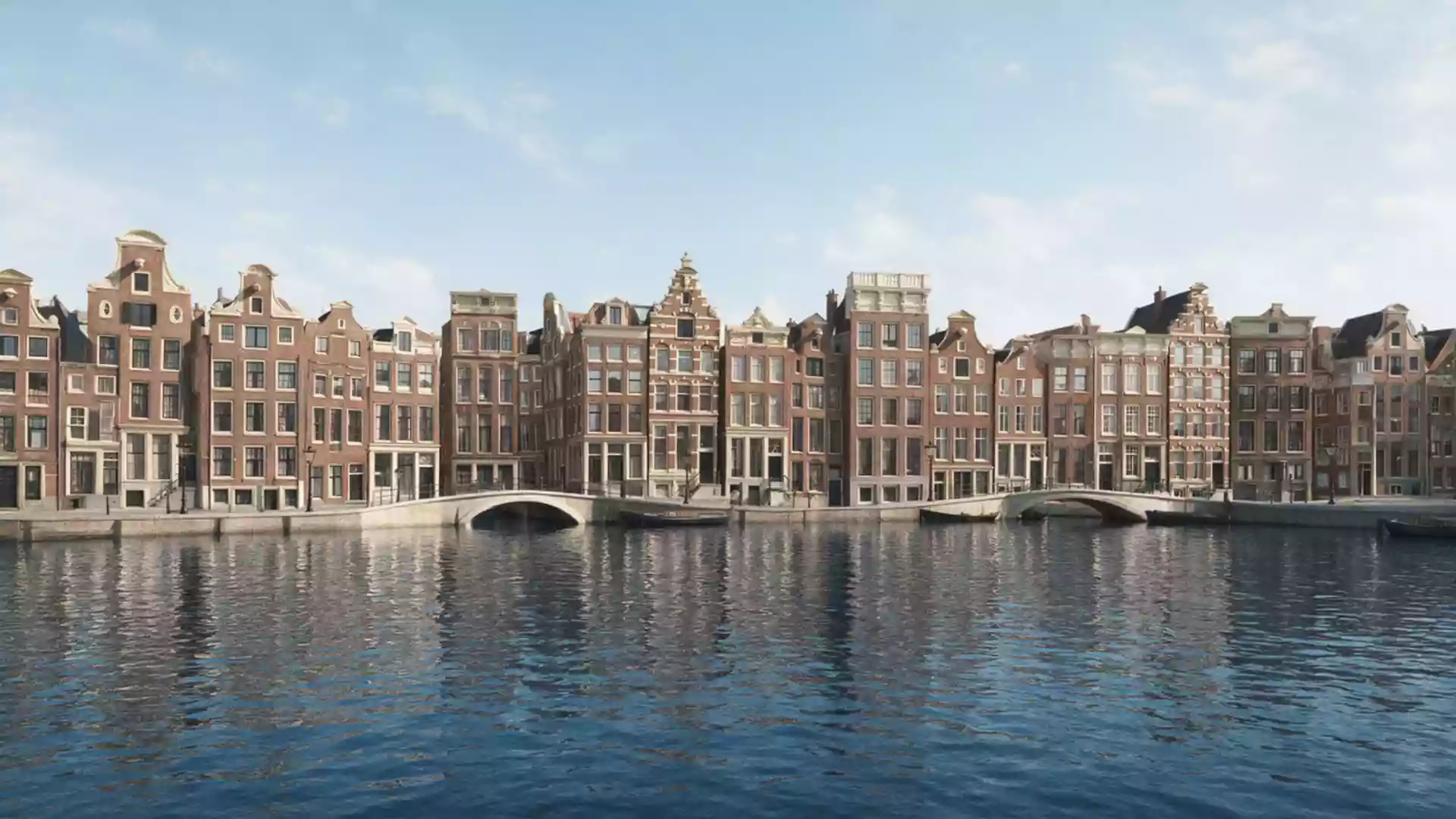
Grachten van Amsterdam and the seventeenth?century canal ring
Published on 09/11/2026 at 07:32 | Editorial responsibility: Rafael Müller, Editor-in-Chief AD HOC NEWS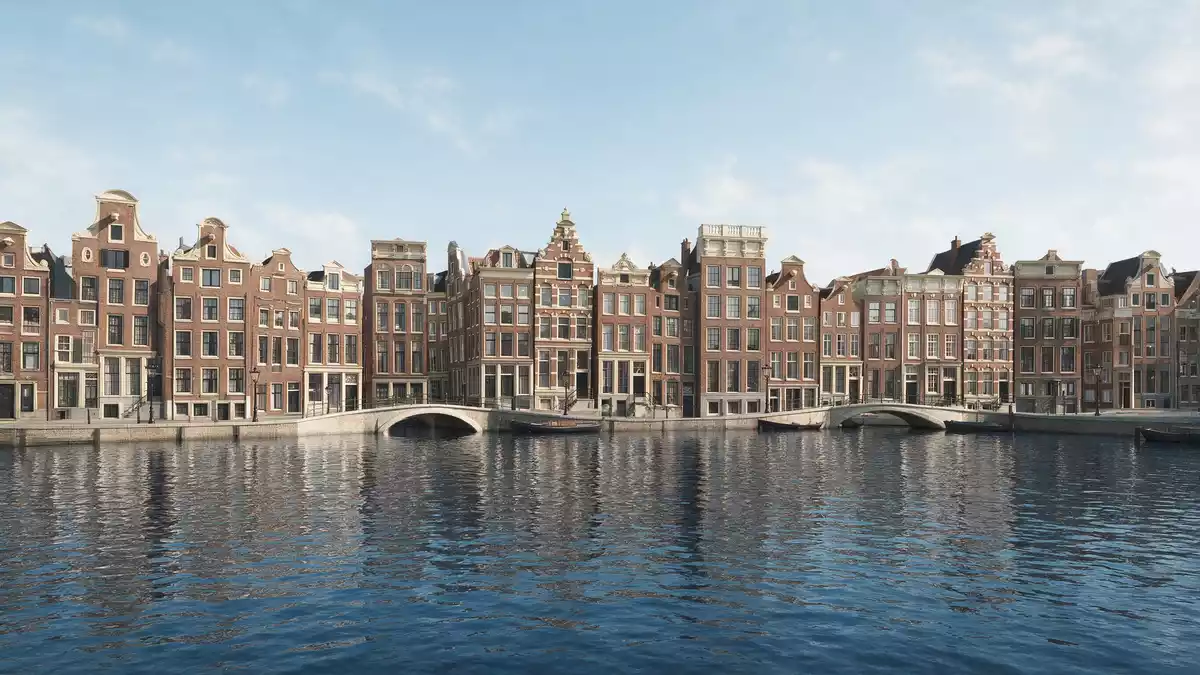
The Grachten van Amsterdam are the historic canals that curve around the centre of Amsterdam, forming a planned seventeenth?century ring that still defines the city’s layout and relationship with water. Built during the Dutch Golden Age as part of a coordinated urban expansion, the canal belt links waterways, streets and merchant houses into one recognisable pattern that visitors encounter as soon as they step into the old city.
The canal ring as a planned seventeenth?century city
Amsterdam’s canal district is structured around a semi?circular ring of waterways known in Dutch as the Grachtengordel, a belt of canals laid out between 1613 and the mid?seventeenth century to extend the medieval town.four concentric canals trace this ring around the old centre, following the curve of the former harbour and enclosing new residential plots on either side.
The principal canals of the Grachten van Amsterdam include the Herengracht, Keizersgracht and Prinsengracht, each dug during the Dutch Golden Age and aligned in broad arcs west and south of the historic core.these canals were excavated in the seventeenth century to carry water, traffic and drainage for new neighbourhoods laid out according to a single overarching plan. Together with the Singel, which marks the inner boundary of the ring, they give the old city its characteristic horseshoe form, recognisable on any map of Amsterdam.
The Dutch Golden Age on the water
The Grachten van Amsterdam belong to the period widely known as the Dutch Golden Age, when Amsterdam emerged as a leading European trading centre and invested heavily in planned urban growth.construction of the canal belt began in 1613 and continued in phases over several decades, adding new stretches of canal and building plots as the city’s population and commercial activity increased. Rows of canal houses, supported by timber piles driven into soft ground, lined the new quays.
Names along the Grachten van Amsterdam recall figures and institutions of this era. The Keizersgracht, or Emperor’s Canal, refers to Maximilian I, while the Prinsengracht, or Prince’s Canal, carries the title of the Prince of Orange.Herengracht is associated with the city’s governing regents, and streets along its banks remain lined with grand houses from the seventeenth and eighteenth centuries. Walking these quays, visitors encounter architecture, gables and doorways that reflect the trading wealth of the Dutch Republic.
UNESCO recognition and everyday life along the canals
The historic canal district of Amsterdam is recognised as a UNESCO World Heritage Site under the designation for the seventeenth?century canal ring inside the Singelgracht, a status confirmed in 2010.UNESCO describes the canal district as heritage of outstanding universal value, emphasising its combination of hydraulic engineering and Renaissance?era urban planning. The protected zone includes long stretches of canal frontage, canal houses and bridges that together form a continuous historic landscape.
For visitors, the Grachten van Amsterdam are not only a heritage listing but a lived part of the city, with houseboats moored along the water, narrow bridges carrying everyday traffic and trees lining many quays.the canal network extends over more than 100 km of waterways and links numerous islands within the urban fabric. Canal tours, local ferries and simple walks along the water give a sense of how closely Amsterdam’s streets and buildings are tied to its canals.
Visiting Grachten van Amsterdam: what travellers from Western Europe should know
- The Grachten van Amsterdam surround the historic centre of Amsterdam in the Netherlands, lying mainly west and south of the medieval core between the IJ waterfront and the river Amstel.
- The canal district is largely flat, but many bridges have short stepped approaches and several canal?side streets are narrow, with cobbled surfaces requiring attention when walking.
- The Grachten van Amsterdam are reached easily on foot from Amsterdam Centraal station, with tram routes crossing the canals at multiple points between the station and the wider city.
- The official language is Dutch and the currency is the euro.
Searching for Grachten van Amsterdam on social platforms
These links open searches for Grachten van Amsterdam on each platform.
Frequently asked questions about Grachten van Amsterdam
Where are the Grachten van Amsterdam located?
The Grachten van Amsterdam form a canal ring around the historic centre of Amsterdam in the Netherlands, mainly between the IJ waterfront and the river Amstel.
What should visitors expect when exploring the canals?
Visitors encounter curving canals lined with historic houses, numerous bridges, cobbled streets and quays that reveal how closely everyday life in Amsterdam is tied to the water.
What makes the Grachten van Amsterdam distinctive?
The Grachten van Amsterdam combine seventeenth?century planned urban design, Dutch Golden Age architecture and a UNESCO?listed canal ring that still shapes the city’s structure and daily movement.