
Bibi-Xonim masjidi and the grand Timurid courtyard of Samarkand
Published on 09/10/2026 at 17:57 | Editorial responsibility: Rafael Müller, Editor-in-Chief AD HOC NEWS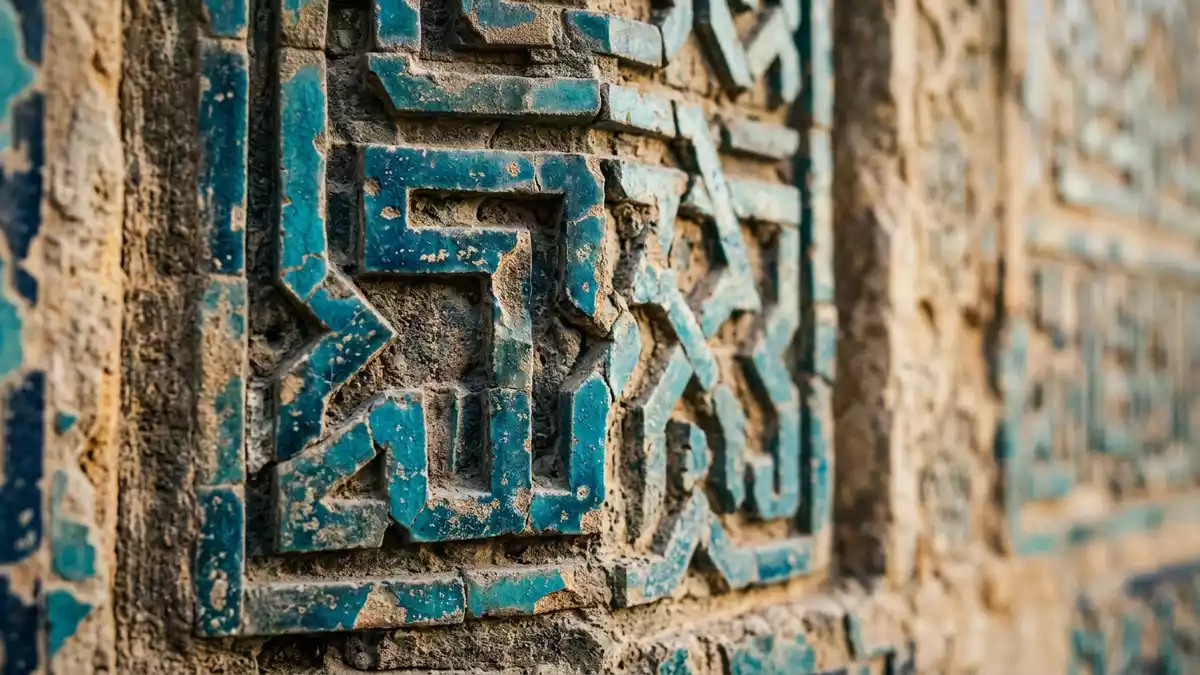
Bibi-Xonim masjidi, known internationally as the Bibi-Khanym Mosque, anchors the historic centre of Samarkand with a vast Timurid courtyard framed by monumental gates and domes. Built under the rule of Amir Timur in the early fifteenth century, it remains one of Central Asia’s most imposing congregational mosques, even after centuries of structural change and restoration.
A Timurid monument in the Silk Road capital
The story of Bibi-Xonim masjidi is inseparable from Samarkand’s role as the capital of Amir Timur’s empire at the turn of the fifteenth century. Construction of the mosque complex began around 1399, after Timur’s campaign in India, and continued into the first years of the fifteenth century.Construction began around 1399 The mosque forms part of the urban ensemble that led to Samarkand’s inscription on the UNESCO World Heritage list, tying it formally to the city’s importance along the Silk Road.UNESCO World Heritage listing for Samarkand
Amir Timur, also known as Tamerlane, ruled from Samarkand between 1370 and 1405 and ordered Bibi-Xonim masjidi as a grand congregational mosque for his capital.Amir Timur ruled from Samarkand The mosque’s name links it to Saray Mulk Khanym, Timur’s senior wife, whose nickname “Bibi Khanym” is preserved in the building’s designation.Saray Mulk Khanym as namesake In the fifteenth century the completed complex ranked among the largest and most magnificent mosques in the Islamic world, a status that reflected both Timur’s ambitions and the flourishing of architecture under the Timurid dynasty.One of the largest mosques of its time
Courtyard, domes and gates: reading the architecture
Bibi-Xonim masjidi follows the established four-iwan mosque layout that had spread across Persian lands by the twelfth century, adapted on a monumental scale for Timur’s capital.Four-iwan plan in Samarkand At its heart lies a large open courtyard, framed by high facades and iwans on each side, with the main sanctuary domes rising beyond. Visitors entering from the east pass under a towering entrance portal that dominates the skyline of the surrounding neighbourhood and signals the mosque’s presence from afar.Tall entrance portal on the eastern side
The structure combines massive baked-brick walls with extensive glazed tile decoration in deep blue and turquoise, characteristic of Timurid architecture in Samarkand.Glazed tile decoration in blue tones Domes surmount both the main prayer hall and subsidiary structures, rising over drum bases decorated with geometric and epigraphic patterns. Within the courtyard stands a monumental stone Qur’an reading stand, placed on a raised platform and aligned with the central axis of the complex, reinforcing the mosque’s congregational function and offering a focal point amid the space enclosed by the high walls.Stone Qur’an stand in the courtyard
Decay, reconstruction and the mosque visitors encounter
Ambition came at a structural cost. Sources from the Timurid period and later observers record that elements of Bibi-Xonim masjidi began to show signs of weakness not long after completion, with the great dome and tall walls proving susceptible to damage.Structural flaws after completion By the nineteenth century much of the complex had deteriorated, and an earthquake in 1897 caused further collapse, leaving the mosque as a striking ruin in the landscape of Samarkand.Earthquake damage in the nineteenth century
In the twentieth century extensive reconstruction work began under Soviet direction, focusing on rebuilding the main domes and portals and stabilising the surviving walls.Rebuilding under Soviet administration Restoration programmes have continued into the twenty-first century, giving visitors an ensemble where large sections of the brick structure, tiled decoration and courtyard configuration can once again be read as an integrated Timurid complex.Continuing restoration of the complex
Visiting Bibi-Xonim masjidi: what travellers from Western Europe should know
- Bibi-Xonim masjidi stands in the historic centre of Samarkand in eastern Uzbekistan, within walking distance of central streets and other Timurid monuments.
- The mosque complex is built on level urban ground, but the interior and courtyard involve stretches of bare stone or brick surfaces that can be uneven underfoot.
- Samarkand lies in a continental climate zone, with hot summers and cold winters, so conditions in the open courtyard reflect the wider seasonal extremes.
- The official language is Uzbek and the currency is the Uzbek sum.
- Entry requirements depend on your nationality; UK travellers can check the FCDO travel advice at gov.uk/foreign-travel-advice, Irish travellers the Department of Foreign Affairs at ireland.ie.
Searching for Bibi-Xonim masjidi on social platforms
These links open searches for Bibi-Xonim masjidi on each platform.
Frequently asked questions about Bibi-Xonim masjidi
Where is Bibi-Xonim masjidi located?
Bibi-Xonim masjidi is located in the historic centre of Samarkand in eastern Uzbekistan, within the area recognised as part of the city’s World Heritage zone.
What can visitors expect when entering the complex?
Visitors pass beneath a very tall entrance portal into a wide courtyard enclosed by high brick walls, with domes and iwans framing the space and a stone Qur’an stand at its centre.
What makes Bibi-Xonim masjidi distinctive among mosques in Central Asia?
Its scale as a Timurid congregational mosque, its four-iwan courtyard plan and its combination of massive brick construction with extensive blue and turquoise tile decoration give it a distinctive presence in Samarkand.


