Warning: Is Ethereum Walking Into A Massive Bull Trap Or The Next Supercycle?
05.02.2026 - 22:31:28 | ad-hoc-news.de
Get top recommendations for free. Benefit from expert knowledge. Sign up now!
Vibe Check: Ethereum is back in maximum drama mode. The chart has been putting in a powerful move, sentiment is heating up, and ETH is reclaiming key zones that traders have been watching for months. But here is the catch: the data across traditional finance sites and crypto media is lagging and fragmented, which means we cannot hang our conviction on exact price tags right now. Instead, we zoom out and focus on structure, narrative, and risk.
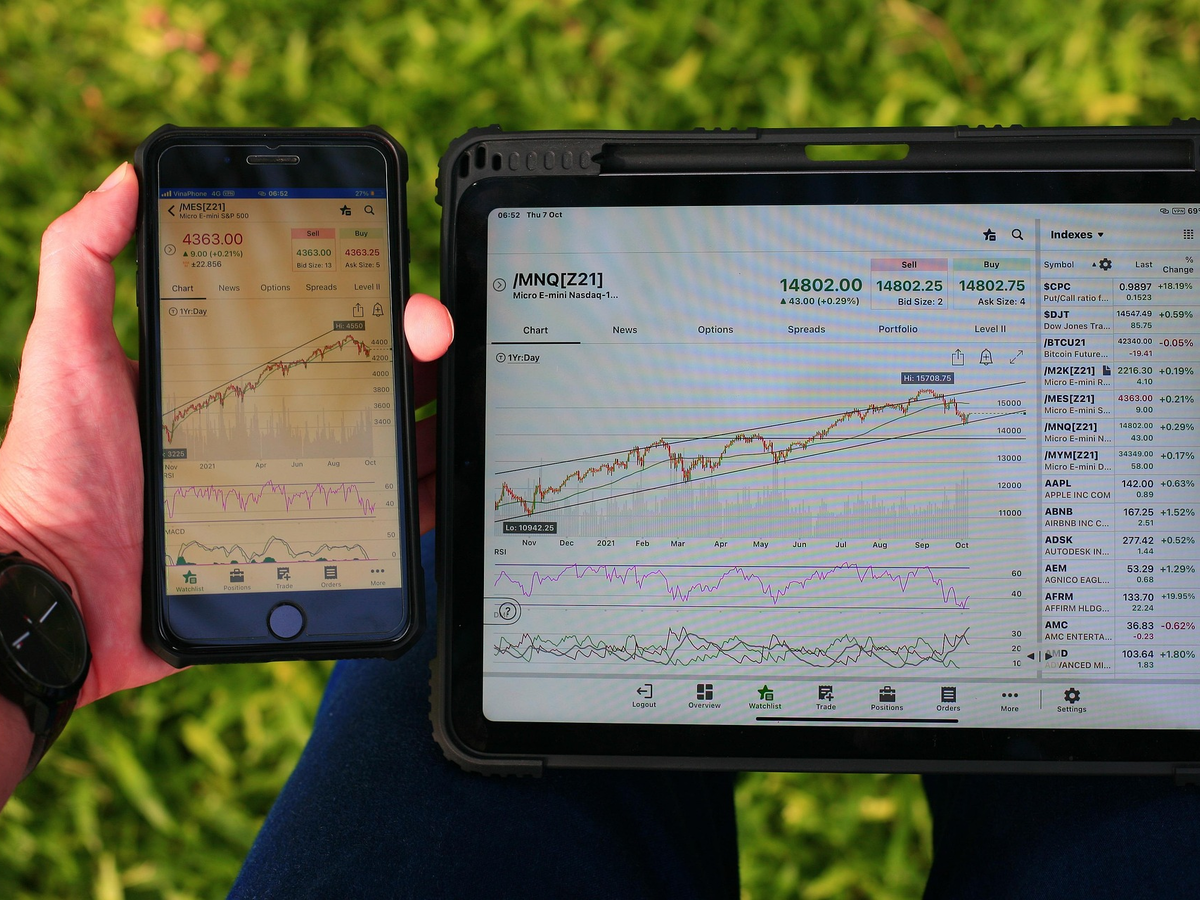
On the chart, ETH has pulled away from the lows and is trading in a clearly elevated range compared with the bear market bottom. The current structure looks like a strong recovery wave: higher lows, aggressive bounces on pullbacks, and a very clear battle zone where bulls and bears are fighting for control. Volatility is alive again. We are seeing sharp intraday swings, big wicks, and the kind of liquidity hunts that shake out weak hands before the next move.
Gas fees have picked up again on spikes, showing that on-chain activity is far from dead. When narrative catalysts hit, the network still gets congested, reminding everyone that Ethereum’s problem is no longer survival, but scaling and user experience. Layer-2s are plugging that gap, but more on that in a second.
The risk here is simple: traders are piling into ETH on the assumption that the "smart contract king" is guaranteed to win the next cycle. That is not how markets work. Every time the crowd decides something is guaranteed, someone gets rekt. So while the structure is bullish, this is exactly the kind of zone where overconfident leverage can get wiped out in a brutal shakeout.
The Narrative: If you scan the latest Ethereum coverage on CoinDesk’s Ethereum section, a few themes keep looping: Layer-2 adoption, regulatory overhang, ETF and institutional flows, and the evolution of Ethereum as a yield-bearing, restaking-powered, rollup-centric ecosystem.
First, Layer-2s. The Ethereum narrative today is not just about ETH the coin; it is about the rollup universe built on top of it. Optimistic rollups, zk-rollups, and custom app-chains are positioning Ethereum as the settlement layer of the internet. CoinDesk has been consistently highlighting how major DeFi protocols, NFT platforms, and even gaming projects are migrating activity to L2s while still settling on Ethereum mainnet for security. This rollup-centric roadmap is the antidote to the old "gas fee nightmare". Instead of trying to make mainnet cheap for every tiny transaction, Ethereum aims to become the global clearinghouse while L2s handle the day-to-day traffic.
Second, regulation and the SEC. Ethereum is still in the crosshairs of regulatory debates: security vs commodity, staking vs yield products, and what exactly an Ethereum spot or derivatives ETF should look like. CoinDesk’s coverage has shown that while regulators have turned up the heat on certain staking services and centralized platforms, the core Ethereum protocol and its decentralized validators remain resilient. Any final green light or crackdown in the ETF space could swing flows dramatically. A positive ETF storyline could attract a new wave of institutional money. A hostile stance could temporarily scare off TradFi allocators and trigger a sharp reset.
Third, Vitalik and the roadmap. The narrative from the dev side is that Ethereum is not done evolving. The post-merge world brought staking and reduced issuance, but we still have major upgrades coming around scalability, censorship resistance, and proposer-builder separation. CoinDesk narratives often frame Ethereum as a living, iterative system: more like an operating system than a fixed asset. That is powerful, but it also means constant change, and constant change means uncertainty. That is fuel for both long-term conviction and short-term volatility.
Finally, macro and liquidity. Ethereum is not trading in a vacuum. If global liquidity tightens, risk assets bleed and ETH can get dragged down even if fundamentals are improving. If central banks hint at easier conditions, speculative assets like ETH often respond first and hardest. CoinDesk’s macro coverage frequently connects ETH flows with broader risk-on / risk-off cycles, and that is crucial: the best tech narrative in the world cannot override a global liquidity crunch in the short term.
Social Pulse - The Big 3:
YouTube: Check this analysis: https://www.youtube.com/results?search_query=ethereum+price+prediction
TikTok: Trending right now: https://www.tiktok.com/tag/ethereum
Insta: Community sentiment: https://www.instagram.com/explore/tags/ethereum/
On YouTube, the vibe is classic late-cycle energy: thumbnails screaming about gigantic breakouts, "life-changing" opportunities, and ultra-bullish price targets. Every time ETH moves aggressively, the algo pushes these videos harder. That brings in fresh retail, but it also means expectations get dangerously high. Remember, the algorithm does not care if you win; it cares if you click.
On TikTok, the mood is degen. Short clips about leverage, quick gains, and "secret" strategies dominate the Ethereum trading tag. You see creators flexing theoretical profits and hyping breakout setups, but almost nobody talks risk management. This is where a lot of new traders get lured into overleveraged plays exactly when volatility returns. When TikTok gets too bullish, that is often a contrarian signal to cool down.
On Instagram, the Ethereum hashtag is full of charts, macro memes, and long-term bullish infographics about the flippening narrative: ETH vs BTC market cap comparisons, ETH as yield-bearing capital, and Ethereum as the backbone for DeFi, NFTs, and Web3 infrastructure. The community tone is confident: WAGMI, just stake, chill, and let the ecosystem grow. That long-term conviction is powerful, but it can also blind people to short-term drawdown risk.
- Key Levels: Instead of obsessing over exact numbers, think in key zones. Ethereum has a crucial demand zone around its recent higher lows: if that area holds on corrections, the bullish structure remains intact. Above, there is a major resistance zone where previous rallies stalled. A clean breakout and retest of that zone would signal continuation, while repeated rejections could turn it into a nasty bull trap.
- Sentiment: Whales are not monolithic, but on-chain data and order flow suggest a mix of quiet accumulation on dips and aggressive distribution into obvious strength. In other words, smart money often buys when TikTok is quiet and sells when TikTok is screaming. The current sentiment feels cautiously optimistic with pockets of outright euphoria on social media. That is exactly where disciplined traders step back and ask: who is on the other side of my trade?
The Flippening, Gas Fees, and the Risk Map: The flippening narrative (ETH overtaking BTC in market cap) never really dies, it just cycles in and out of fashion. Right now, with L2s maturing and Ethereum cementing itself as the dominant smart contract platform, the flippening story is once again being weaponized by influencers and maxi factions. The bullish case is straightforward: Ethereum captures massive economic activity through DeFi, NFTs, gaming, social, and real-world assets, while BTC remains mostly a macro store-of-value. If enough value accrues to Ethereum’s ecosystem and validators, ETH could, in theory, close the gap.
But here is the risk: narratives move faster than reality. Even if Ethereum is fundamentally on track, pricing in a full flippening too early can be devastating. Markets front-run narratives, overshoot, then mean-revert. Traders who confuse long-term potential with short-term certainty are the ones who get liquidated.
Gas fees are another key piece of the risk puzzle. When things heat up, gas can still spike hard, especially on mainnet for complex DeFi moves. Yes, rollups massively reduce average costs and increase throughput, but user experience is still fragmented: bridging, choosing networks, managing multiple tokens. If gas fees spike during a speculative mania, new users can get burned by transaction costs, failed transactions, and confusion. That frustration can kill momentum at exactly the wrong time.
From a technical perspective, Ethereum is in a classic decision zone. Trend traders see a strong recovery and potential continuation. Mean reversion traders see an overheated move into resistance and are hunting for the next fade opportunity. Both can be right at different time frames. The real danger is traders who do not know which time frame they are playing, or who mix long-term conviction with short-term leverage.
Verdict: So is Ethereum walking into a massive bull trap or the next supercycle? The honest answer: it could be either, depending on your time horizon and risk management.
Fundamentally, Ethereum is not dying. The ecosystem is alive, developers are shipping, Layer-2s are scaling, and the protocol keeps evolving. Major narratives around restaking, rollups, and ETH as ultra-sound collateral are real and gaining traction. Over the long term, Ethereum still looks like one of the core assets of the crypto universe.
But in the short to medium term, the danger is very real. Elevated sentiment, aggressive social media hype, regulatory uncertainty, and macro headwinds can all combine into painful drawdowns. If you chase green candles without a plan, you are volunteering to be exit liquidity for someone more patient.
If you are bullish on Ethereum, the smarter move is not to ape blindly, but to define:
- What time frame you care about.
- How much drawdown you can stomach without panic-selling.
- Which key zones would invalidate your thesis.
- Whether you actually understand how gas, L2s, and staking work.
In other words: WAGMI is not a strategy. Risk management is. Ethereum might still be the backbone of Web3, it might still make a serious run at the flippening narrative, and it might continue to dominate smart contracts. But the path there will not be smooth, and the market will happily punish anyone who mistakes hype for certainty.
If you treat Ethereum as a long-term high-risk tech asset, size your exposure with respect, and avoid overleveraged casino moves, you give yourself a chance to survive the volatility and maybe ride the next major leg of the Ethereum story instead of getting rekt by it.
Ignore the warning & trade Ethereum anyway
Risk Warning: Financial instruments, especially Crypto CFDs, are highly speculative and carry a high risk of losing money rapidly due to leverage. You should consider whether you understand how these instruments work and whether you can afford to take the high risk of losing your money. This content is for informational purposes only and does not constitute investment advice.
So schätzen die Börsenprofis Aktien ein!

Für. Immer. Kostenlos.