
Slipknot: The Wild Iowa Metal Band That Redefined Heavy Music for a Generation
Published on 04/26/2026 at 11:21 | Editorial responsibility: Rafael Müller, Editor-in-Chief AD HOC NEWS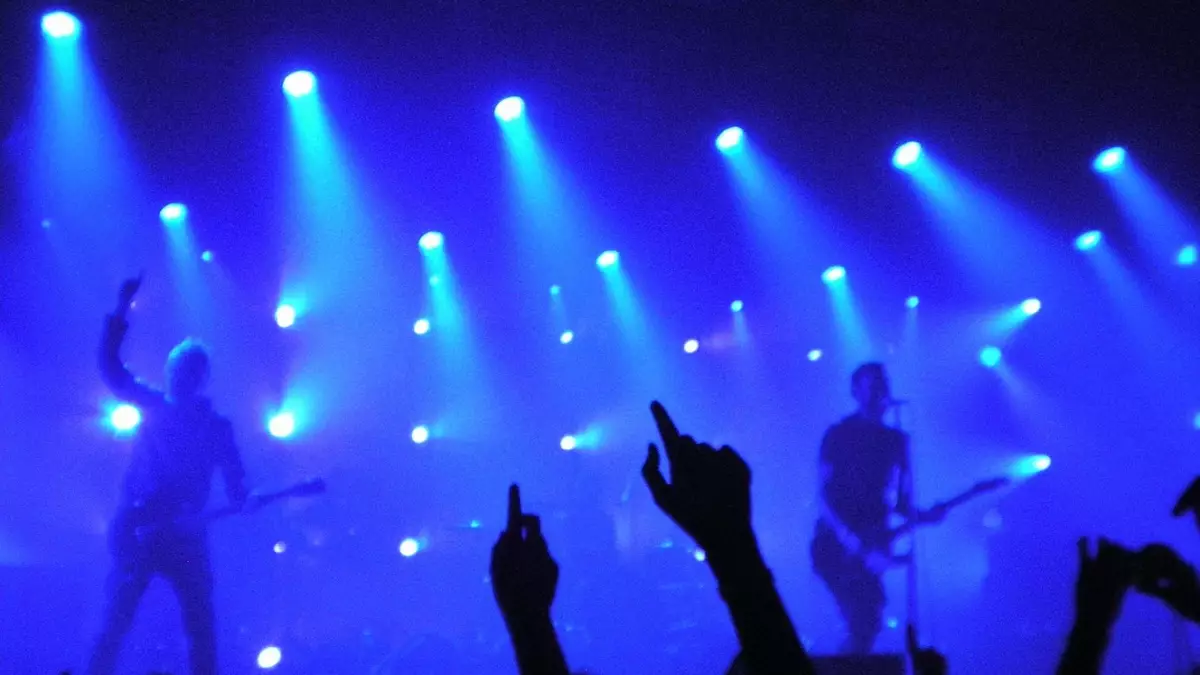
Slipknot exploded onto the scene in the late 1990s as nine masked maniacs from Des Moines, Iowa, delivering a ferocious blend of metal, rap, and chaos that grabbed young fans across North America by the throat. Their aggressive style, matching uniforms, and anonymous personas made them instant legends, turning metal festivals like Ozzfest into must-see events for teens discovering heavy music.
Why does Slipknot matter now for North American readers? Their influence lingers in modern metalcore, nu-metal revivals, and even pop culture nods, with streams surging on platforms like Spotify where tracks from their debut era rack up millions of plays from U.S. and Canadian listeners. Whether you're at a festival mosh pit or blasting 'Duality' in your headphones, Slipknot's raw power feels timeless.
The band's story starts humbly in the Midwest. Drummer and percussionist Shawn "Clown" Crahan, bassist Paul Gray, and original vocalist Anders Colsefni (also known as Andy Rauw) founded Slipknot in the early 1990s. Crahan has recently clarified this origin, emphasizing that these three were the true starters, countering myths that often spotlight others like drummer Joey Jordison.
Early days were gritty. They self-released their debut album, *Mate. Feed. Kill. Repeat.* in 1996, featuring a raw lineup including Crahan, Gray, Colsefni, Jordison, guitarist Donnie Steele, and Josh "Gnar" Brainard. This underground record laid the groundwork for their explosive evolution, showcasing experimental aggression that hinted at the storm to come.
By 1999, Slipknot unleashed their self-titled major-label debut, a game-changer. With Corey Taylor on vocals, Mick Thomson on guitar, Sid Wilson on turntables, Chris Fehn on percussion, and Craig "133" Jones on samples and keyboards, the classic nine-member lineup solidified. Tracks like "Wait and Bleed," "Spit It Out," and "Eyeless" became anthems, blending screamed vocals, pounding drums, and industrial riffs into a wall of sound that dominated MTV and radio.
This album propelled them from festival openers to headliners. North American fans packed Ozzfest shows, where Slipknot's chaotic live sets—complete with stage dives, fire, and sheer mayhem—cemented their reputation. The masks, numbered from 0 to 8, added mystery, letting each member embody a chaotic persona while hiding their faces.
Nu-Metal Kings and Chart Domination
Slipknot rode the nu-metal wave alongside bands like Limp Bizkit and Korn, but their extremity set them apart. Their 1999 self-titled album debuted at No. 1 on the Billboard 200, selling over 1.5 million copies in the U.S. alone. It earned a Grammy nomination for Best Metal Performance, signaling their arrival as serious players.
Follow-up *Iowa* in 2001 doubled down on darkness. Recorded in a secluded house, songs like "Left Behind," "My Plague," and the title track explored pain, addiction, and rage. It topped charts worldwide, with North American sales pushing platinum status quickly. Fans connected deeply, as Taylor's lyrics mirrored struggles many young people faced.
*Vol. 3: (The Subliminal Verses)* arrived in 2004, showing growth. Clean vocals emerged alongside heaviness in hits like "Before I Forget" and "Vermilion." This Grammy-winning album (for Best Metal Performance) marked a peak, with massive tours across the U.S. and Canada filling arenas.
All Hope Is Gone in 2008 brought more success, featuring "Psychosocial" and "Snuff," the latter a rare ballad that hit No. 2 on the Hot 100. Tensions brewed behind the scenes, but commercially, Slipknot owned the heavy scene.
Tragedy, Changes, and Resilience
Slipknot's path hasn't been smooth. Founding bassist Paul Gray died in 2010 from an overdose, a devastating blow. They honored him on *5: The Gray Chapter* in 2014, with Alessandro Venturella on bass and Jay Weinberg on drums joining the fray.
Weinberg, son of Slipknot fan and producer Dave Weinberg, joined amid drama. Joey Jordison, the original drummer who shaped their sound for nearly two decades, was fired in 2013 due to health issues he later revealed as transverse myelitis. Weinberg has reflected positively on his era, sharing how he jammed with the band even as Jordison was still technically in it.
Jordison passed away in 2021, adding to the losses. Percussionist Chris Fehn exited in 2019 amid financial disputes, and keyboardist Craig "133" Jones left in 2023. Crahan has commented on these shifts, noting the band isn't as close anymore but presses on.
Despite upheaval, Slipknot endures. They celebrated their 25th anniversary of the 1999 album with 2024 shows, including Aftershock Festival in Sacramento and Knotfest Brasil, keeping the fire alive for North American audiences.
The Masks, Numbers, and Mythology
Each member's mask and number defines their role. No. 0: Sid Wilson, the DJ scratching chaos. No. 1: Corey Taylor, the unmasked singer channeling torment. No. 2: Paul Gray (later others), the masked bassist. No. 3: Mick Thomson, the axe-wielding guitarist. No. 4: Jim Root, steady rhythm guitar. No. 5: Clown, the percussive madman. No. 6: Shawn "Pig" Hill (post-Fehn), additional percussion. No. 7: Craig Jones, effects maestro. No. 8: Jay Weinberg (now Eloy Casagrande), the drum powerhouse.
Masks evolve with albums, symbolizing personal growth or turmoil. This visual identity makes Slipknot unforgettable, influencing masked acts in gaming, horror, and fashion popular among North American youth.
Live Shows: Pure Mayhem
Slipknot lives shine brightest. North American festivals like Knotfest (their own event) and Download deliver pummeling sets. Fans describe circle pits, crowd surfing, and emotional catharsis. Even with changes, their energy remains unmatched.
Why Slipknot Resonates in North America
For young readers, Slipknot offers rebellion and release. Their Des Moines roots mirror Rust Belt grit, resonating from Midwest basements to coastal cities. Streaming data shows U.S. dominance in their plays, with TikTok reviving old tracks for Gen Z.
Influence spans Linkin Park, Bring Me the Horizon, and pop-metal crossovers. Taylor's Stone Sour and solo work broadens appeal, while Clown's art keeps the visual edge sharp.
Essential Songs for New Fans
- "(sic)" : Frenetic debut banger.
- "People = Shit": Raw aggression.
- "The Heretic Anthem": Fan chant staple.
- "Duality": Emotional 2004 hit.
- "Custer": Modern riff monster.
Albums Guide
Start with self-titled (1999), then *Iowa* (2001), *Vol. 3* (2004), *.5: The Gray Chapter* (2014), *We Are Not Your Kind* (2019), and *The End, So Far* (2022). Each layer builds their legacy.
Looking Ahead
Slipknot adapts, honoring past while forging new chaos. For North American fans, they're the band that makes metal feel alive, proving heavy music evolves but never dies.
Explore their catalog, hit a show, and join the maggots. Slipknot's world waits.


