
Sealed Air stock trades steady as packaging group focuses on earnings quality
Published on 07/19/2026 at 14:16 | Editorial responsibility: Rafael Müller, Editor-in-Chief AD HOC NEWS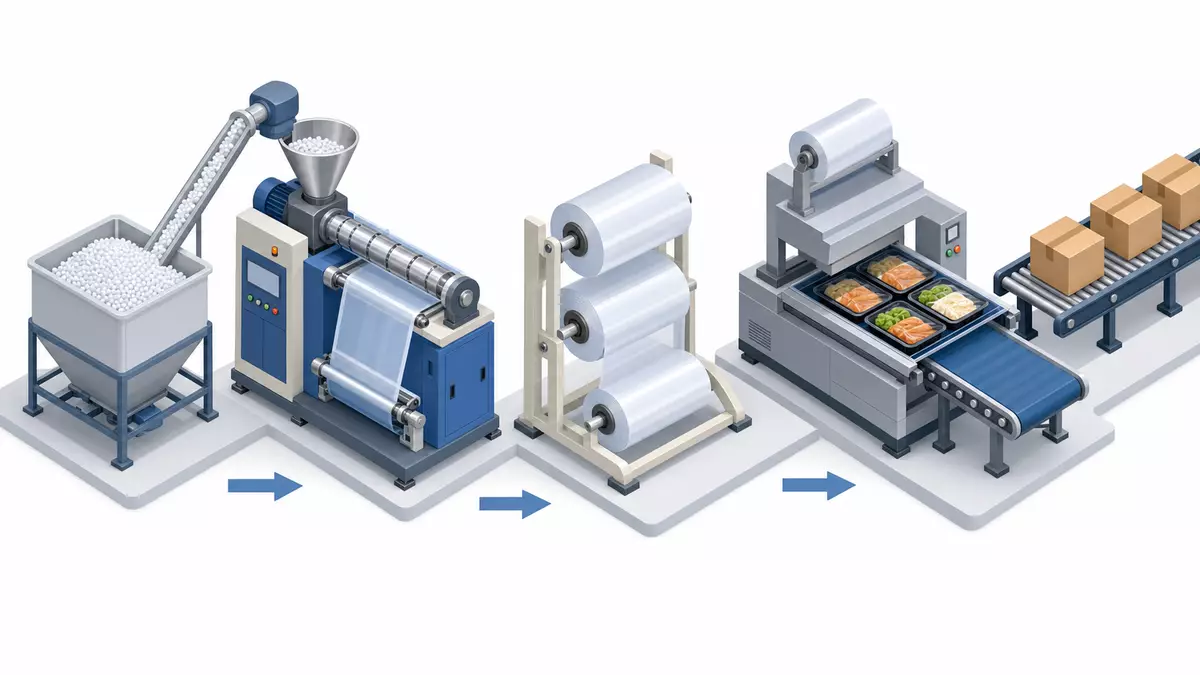
Sealed Air stock represents exposure to a global packaging and materials group (ISIN US81211K1007) that has been working to balance resilient demand for protective packaging with a tighter focus on margins and cash generation. In its most recently reported full fiscal year, Sealed Air highlighted multi billion dollar revenue and a meaningful adjusted EBITDA margin, underscoring the scale of its operations. For investors, the interplay between end market demand, pricing, and cost control continues to shape how Sealed Air stock is valued.
Revenue and margin benchmarks
According to Sealed Airs latest annual reporting, the company generated approximately $5.5 billion in net sales in fiscal 2023, anchoring its position as a major player in industrial and food packaging solutions. The revenue base is diversified across categories such as food packaging, industrial applications, and e commerce logistics, with the company emphasizing that its protective materials help reduce damage rates and improve automation in customer operations. This scale gives Sealed Air room to maneuver on pricing, product mix, and efficiency when demand in individual segments fluctuates.
In the same period, Sealed Air reported adjusted EBITDA in the range of $0.9 billion for fiscal 2023, implying an adjusted EBITDA margin around the mid teens, a level that the management has historically targeted as a core profitability benchmark. The combination of multi billion dollar revenue and a mid teens margin underscores a business that generates substantial operating cash flow, even as input costs and logistics expenses shift over time. For investors, the margin level serves as a reference point when assessing how future cost measures or product mix changes might translate into earnings quality.
Cash flow and capital allocation
In its most recent fiscal year disclosures, Sealed Air indicated that it produced several hundred million dollars in free cash flow, reflecting the conversion of its EBITDA into cash after capital expenditures and working capital movements. This free cash flow is a critical metric because it funds dividends, debt reduction, and selective growth investments. While exact year on year changes in free cash flow can be influenced by inventory swings and receivables timing, the companys ability to sustain a positive cash generation profile has supported its capital allocation options.
Sealed Air has also been managing its balance sheet with a mix of debt and equity funding, and its leverage ratio commonly references net debt to adjusted EBITDA. Management has often communicated medium term goals for leverage that allow for both investment and shareholder returns. For investors viewing Sealed Air stock as part of a broader industrial or packaging allocation, the leverage metrics frame the risk profile alongside the companys recurring revenue streams.
Sealed Air stock valuation context
Beyond the reported fundamentals, Sealed Air stock tends to be valued on a blend of earnings, cash flow, and dividend metrics, reflecting its status as a mature but still evolving industrial packaging name. Price to earnings and enterprise value to EBITDA multiples can shift with expectations about volume growth, input cost trends, and automation demand in the companys end markets. In periods when packaging demand for e commerce and food remains resilient, investors may be more willing to pay higher multiples for Sealed Airs earnings streams; when macro uncertainty rises, valuation can gravitate toward historical averages.
Dividend policy plays a supporting role in this valuation context. Sealed Air has historically returned cash to shareholders through dividends, calibrated against free cash flow and leverage thresholds. The absolute dividend per share and payout ratio help investors gauge how much of the companys cash generation is earmarked for direct shareholder returns versus reinvestment in operational improvements or new capacity. As Sealed Air refines its portfolio and invests in efficiency, the sustainability of its dividend can be an additional stabilizing factor for Sealed Air stock.
Operating segments and growth areas
The company operates through segments that broadly reflect its focus on protective packaging and materials. One major segment centers on food packaging, providing solutions that extend shelf life, maintain product integrity, and improve logistics for producers and retailers. Another segment focuses on protective materials and automation solutions for industrial and e commerce applications, helping customers reduce damage and streamline fulfillment operations. Together, these segments share a common aim of reducing waste and improving efficiency, underpinning Sealed Airs revenue and earnings base.
Growth opportunities for Sealed Air often revolve around increasing automation in packaging lines, expanding into higher growth geographical markets, and introducing materials that either improve sustainability or performance. While each initiative carries its own capital requirements and timeline, the companys ability to leverage existing customer relationships can make incremental growth more achievable. As these projects begin to contribute to revenue and margins, they can shift the mix of earnings across segments and influence how Sealed Air stock trades relative to peers in the broader packaging and industrial materials universe.
Prismaprotect packaging solutions
Sealed Air markets a range of protective packaging solutions under various product lines that aim to minimize shipping damage and optimize packing processes. A representative offering is its cushioning and void fill products used in e commerce and industrial shipping, which combine materials engineering with ergonomic design to protect goods in transit. These products contribute to Sealed Airs revenue mix by addressing customer needs for reliability and automation compatible packaging, and they help support recurring demand as businesses scale their logistics operations.
Sealed Air stock and market reference
Sealed Air stock is listed in the United States on a major exchange and trades in USD, giving international investors straightforward access through standard brokerage channels. The share price reflects collective expectations about the companys future earnings, cash flow, and strategic positioning in packaging and materials. As Sealed Air continues to report on its revenue, EBITDA, and cash flow metrics, and as it adjusts its portfolio and efficiency measures, these fundamentals remain central to how Sealed Air stock is assessed in relation to other industrial names.
Sealed Air key data
- Company: Sealed Air Corp.
- ISIN: US81211K1007
- Ticker: NYSE: SEE
- Trading venue: NYSE
- Sector / Industry: Materials / Packaging
- Index membership: S&P 500


