Norwegian Cruise Line Holdings stock reflects long-term recovery hopes from the cruise market
Veröffentlicht: 10.07.2026 um 20:49 Uhr, Redaktion AD HOC NEWS, Redaktionelle Verantwortung: Rafael Müller (Chefredaktion)
Norwegian Cruise Line Holdings stock represents a leveraged play on the long-term resilience of global leisure travel and the cruise segment in particular. The group (ISIN BMG667211046) operates a multibrand fleet focused on ocean cruising and increasingly on premium, destination-rich itineraries. Investors view the company as a beneficiary of the structural recovery in tourism and consumer experiences after the pandemic period, but also as an issuer where financial discipline, debt reduction, and pricing strategy will be central to shareholder value over the coming years.
Business model centered on cruise experiences
Norwegian Cruise Line Holdings Ltd. is the parent company behind three major cruise brands catering to different segments of the market. Through its core Norwegian Cruise Line brand, the group targets mainstream guests seeking contemporary ships, onboard entertainment, and flexible dining concepts. The Oceania Cruises brand focuses on destination-oriented itineraries with a more culinary and cultural emphasis, while Regent Seven Seas Cruises offers luxury voyages with inclusive pricing and a smaller-ship experience. Together, these brands give the company exposure to a broad range of price points and demographics within the cruise industry.
The underlying business model is capital intensive. The company invests heavily in new vessels and refurbishment programs to keep its fleet competitive in terms of amenities, energy efficiency, and regulatory compliance. Revenue is generated primarily from ticket sales as well as onboard spending, including dining upgrades, beverages, casinos, excursions, and other ancillary services. This blend of ticket and onboard revenue helps the company drive yield per passenger while attempting to maintain an attractive value proposition compared with land-based vacations.
From an investor perspective, fleet deployment and itinerary planning are critical. The company allocates ships across regions such as the Caribbean, Alaska, Europe, and Asia based on seasonal demand, port infrastructure, and geopolitical conditions. This flexibility allows management to respond to shifts in travel patterns and currency trends, but it also introduces exposure to regional economic cycles and regulatory frameworks. Over the long term, the ability to adjust itineraries and redeploy capacity is an important component of risk management.
Debt, leverage, and cash generation
Like many cruise operators, Norwegian Cruise Line Holdings carries a substantial debt load stemming from years of fleet expansion and the need to secure liquidity during the pandemic travel disruptions. For equity holders, the trajectory of leverage is a key theme. Cash flows from operations, driven by occupancy levels and ticket pricing, must cover interest, principal repayments, and ongoing capital expenditure for newbuilds and refurbishments. The balance between growth investment and deleveraging is therefore a central strategic question.
On a structural level, the cruise industry tends to operate with high fixed costs. Ships require crew, fuel, maintenance, and port fees regardless of how full they are. This creates operating leverage: once occupancy rises above certain thresholds, incremental passengers can significantly improve margins. Conversely, periods of weaker demand or pricing pressure can quickly compress profitability. Investors in Norwegian Cruise Line Holdings stock follow indicators such as booking curves, cancellation trends, and onboard spending metrics to gauge how effectively the company is using its capacity and how resilient demand appears across regions.
Another aspect of the financial story is refinancing risk. Debt maturities over the coming years need to be managed through a mix of operating cash, potential asset sales, and access to capital markets. The cost of debt, influenced by interest rate conditions and the company’s perceived creditworthiness, affects net income and ultimately equity valuation. Observers tend to compare Norwegian Cruise Line Holdings’ leverage and interest coverage ratios with peers in the cruise and broader travel sector to understand relative risk and potential upside if deleveraging progresses.
Pricing power and demand normalization
For Norwegian Cruise Line Holdings, pricing power is a central lever in navigating the post-pandemic environment. The company seeks to optimize ticket prices by balancing occupancy targets with onboard revenue opportunities. Promotional campaigns, loyalty programs, and bundled offers (including airfare, transfers, and excursions) are used to stimulate demand and secure bookings well ahead of sailing dates. Successful yield management can support revenue growth even if overall capacity grows more slowly.
Demand normalization after global travel disruptions has taken several seasons, as consumers gradually regain confidence in cruising and recalibrate their vacation budgets. Norwegian Cruise Line Holdings benefits from an industry-wide trend where travelers increasingly prioritize experiences, destination variety, and all-in-one packages. At the same time, macroeconomic uncertainties, inflation pressures, and shifts in discretionary spending can influence booking behavior. Investors often focus on whether cruise pricing is holding up in real terms and whether discounting is required to maintain load factors.
An independent interpretive angle is that Norwegian Cruise Line Holdings stock effectively acts as a proxy for consumer confidence in the mid-range and premium travel segments. When households feel more secure about income and employment, they may be more willing to commit to cruise vacations that are booked months or even years in advance. Conversely, if economic indicators soften, bookings can become more volatile or shift toward lower-priced options. This linkage between macro sentiment and the company’s order book means that broader economic data and consumer surveys offer useful context for the equity story.
Fleet modernization and environmental regulation
The cruise industry is subject to increasingly stringent environmental regulations covering emissions, waste management, and energy efficiency. Norwegian Cruise Line Holdings must invest in technologies such as advanced wastewater treatment systems, shore power connections, and more efficient propulsion to comply with rules from international bodies and port authorities. These investments can raise capital expenditure in the short term but may lower fuel consumption and environmental risk over the long term.
Fleet modernization also has a commercial dimension. Newer ships typically offer improved cabin layouts, entertainment venues, and specialty dining concepts, which can enhance guest satisfaction and justify higher ticket prices. Norwegian Cruise Line Holdings’ strategy involves balancing the introduction of new ships with the refurbishment of existing vessels, thereby extending asset life and maintaining a consistent brand experience. For investors, the pace of fleet modernization is relevant because it influences both the cost structure and the company’s competitive positioning against other cruise operators.
Regulatory compliance carries reputational implications as well. Consumers are increasingly aware of environmental impact and may consider a company’s sustainability efforts when choosing travel options. By aligning fleet development with regulatory trends and environmental expectations, Norwegian Cruise Line Holdings aims to support long-term demand while managing risk associated with potential regulatory changes or environmental incidents.
Competition and positioning within leisure travel
Norwegian Cruise Line Holdings competes with other global cruise companies as well as with a wide range of land-based vacation alternatives. Theme parks, resorts, city breaks, and adventure travel all vie for consumer wallet share. Within the cruise segment specifically, differentiation comes through itinerary design, onboard amenities, pricing structures, and perceived service quality. Norwegian’s brand portfolio allows it to address mainstream and premium travelers, which can smooth cyclical features across demographics.
From a strategic standpoint, the company seeks to leverage brand recognition and loyalty to encourage repeat bookings and cross-selling between its brands. Guests who begin with a mainstream cruise may graduate to higher-end offerings as their preferences and budgets evolve, providing an internal growth path. Norwegian Cruise Line Holdings stock therefore represents exposure not only to new-to-cruise customers but also to lifetime customer value as passengers return for more elaborate itineraries.
Competition also extends to distribution channels. Travel agencies, online booking platforms, and direct channels via company websites and call centers are all part of the sales mix. Shifts in distribution can influence commission structures, marketing spend, and customer data access. A stronger direct booking presence may offer better margins and richer data on customer preferences, while agency relationships remain important for complex itineraries and group travel. How Norwegian Cruise Line Holdings manages these channels has implications for cost efficiency and marketing effectiveness.
Operational risks and geopolitical factors
Cruise operations involve exposure to a range of operational risks, including weather disruptions, mechanical issues, and port access constraints. Norwegian Cruise Line Holdings must maintain robust safety protocols and contingency plans to address unexpected events. While these risks are part of the industry’s everyday reality, their management affects guest satisfaction and regulatory relationships. Transparent communication and the ability to adjust itineraries at short notice are important to preserve brand trust.
Geopolitical factors also play a role. Cruises often traverse multiple countries and regulatory jurisdictions, and changes in visa policy, health regulations, or regional security conditions can impact itinerary viability. Norwegian Cruise Line Holdings assesses route risk and may adjust deployment to emphasize more stable regions when necessary. This flexibility is helpful but can also involve re-planning logistics and marketing. Investors monitoring the stock should recognize that external events can influence sailing schedules and potentially revenue without being directly tied to company-specific decisions.
Currency movements introduce another layer of complexity. The company earns revenue and incurs costs in multiple currencies, and fluctuations in exchange rates can affect reported financial results and profitability. Hedging strategies and pricing adjustments are among the tools used to manage this exposure. For long-term shareholders, understanding how foreign exchange can amplify or moderate earnings trends is part of evaluating the share’s risk profile.
Long-term themes: demographics and travel preferences
Beyond immediate cycles, Norwegian Cruise Line Holdings is exposed to structural trends such as aging populations in developed markets, the expanding middle class in emerging economies, and the growing importance of experiential spending. Older travelers may appreciate the convenience and medical support available on cruise ships, while younger cohorts may be attracted to onboard entertainment and adventure excursions. The company’s ability to tailor offerings to different age groups and cultural backgrounds is a key factor in sustaining demand.
Urbanization and rising incomes in regions such as Asia and Latin America could broaden the potential customer base for cruising. As more consumers gain passport access and discretionary income, cruise vacations may become a more common choice. Norwegian Cruise Line Holdings can tap into these trends through targeted marketing, localized itineraries, and partnerships with regional travel providers. The pace at which the company expands its presence in new markets, however, needs to be balanced against operational capacity and regulatory knowledge.
Another structural theme is digitalization. Guests increasingly expect seamless digital experiences from booking and pre-cruise planning to onboard connectivity and app-based services. Norwegian Cruise Line Holdings invests in technology to enable online check-in, excursion management, and onboard purchases, aiming to streamline customer journeys and collect valuable data. For investors, digital initiatives may support both revenue growth and cost efficiencies over time.
Representative product: Norwegian Cruise Line voyages
A representative product for Norwegian Cruise Line Holdings is a week-long Norwegian Cruise Line voyage in the Caribbean. These cruises typically depart from major ports in North America and offer itineraries that include beach destinations, snorkeling spots, and cultural excursions. The product combines accommodation, dining, entertainment, and transportation between destinations into a single package, often promoted as an all-encompassing vacation experience.
Guests book cabins across several categories, ranging from interior rooms to balcony suites and dedicated premium sections. Onboard features may include multiple restaurants, theaters, pools, and specialty areas designed for families or adults. The company’s freestyle cruising concept emphasizes flexible dining times and a wide array of options, responding to customer demand for personalization and choice. Such voyages exemplify how Norwegian Cruise Line Holdings monetizes both ticket sales and onboard spending to generate revenue.
Stock context and listing
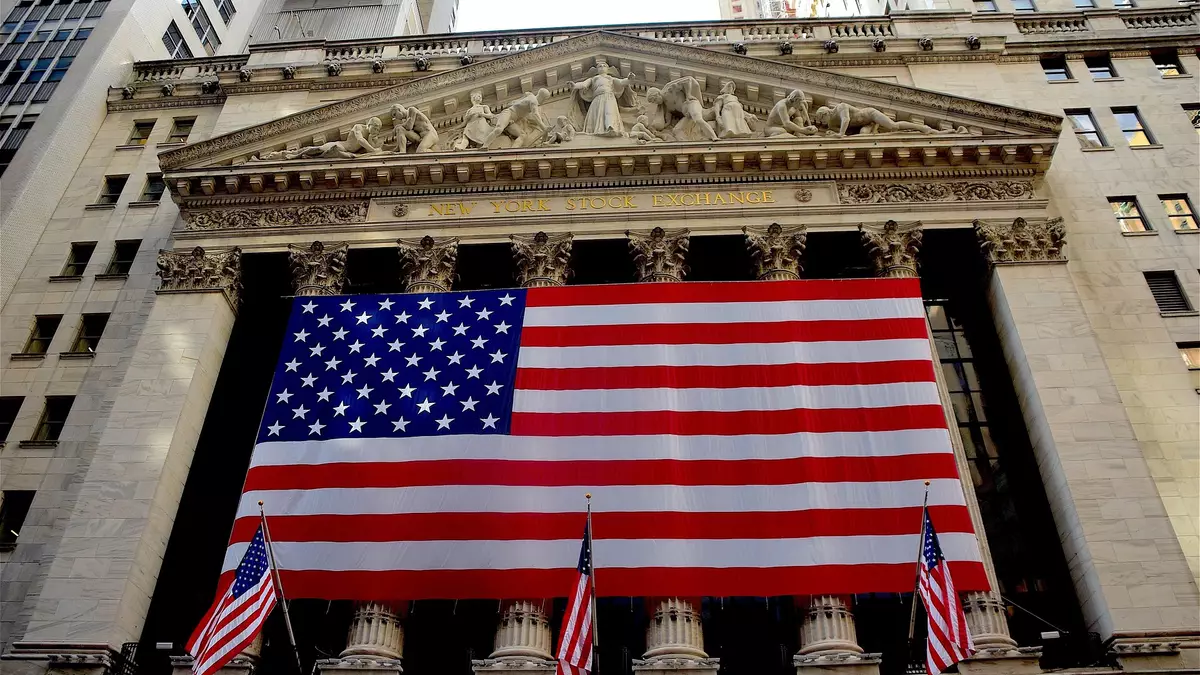
Norwegian Cruise Line Holdings Ltd. is listed on a major US exchange and its equity is quoted in US dollars. The shares provide investors with direct exposure to the cruise sector and to broader leisure travel trends. Because the company operates globally, its share performance reflects not only US consumer behavior but also international tourism patterns and global macroeconomic conditions. For portfolio managers, the stock can function as a cyclical component that may benefit from periods of stronger economic growth and travel demand.
Over time, market participants have evaluated Norwegian Cruise Line Holdings stock relative to other travel-related securities, considering metrics such as enterprise value to EBITDA, price-to-earnings ratios where applicable, and free cash flow potential adjusted for fleet investment requirements. Volatility can be considerable, reflecting sensitivity to changes in booking data, fuel prices, and regulatory developments. Investors with a long horizon tend to focus on the company’s ability to manage its balance sheet, maintain high guest satisfaction, and adapt its itineraries to evolving travel preferences.
Norwegian Cruise Line Holdings key facts
- Company: Norwegian Cruise Line Holdings Ltd.
- ISIN: BMG667211046
- Ticker: NCLH
- Exchange: US stock exchange
- Sector / Industry: Consumer Discretionary / Hotels, Resorts and Cruise Lines
- Index membership: Not a member of the major US large-cap indices such as the Dow Jones Industrial Average or S&P 500
Disclaimer zu unseren Artikeln: Keine Anlageberatung, keine Kauf oder Verkaufsempfehlung. Angaben zu Kursen, Unternehmen und Märkten ohne Gewähr; Änderungen jederzeit möglich. Börsengeschäfte können zu hohen Verlusten führen. Unsere Beiträge werden ganz oder teilweise automatisiert mit Unterstützung von AI erstellt und geprüft.