Mercedes stock reflects the automaker's electric shift amid global competition
Veröffentlicht: 16.07.2026 um 07:57 Uhr, Redaktion AD HOC NEWS, Redaktionelle Verantwortung: Rafael Müller (Chefredaktion)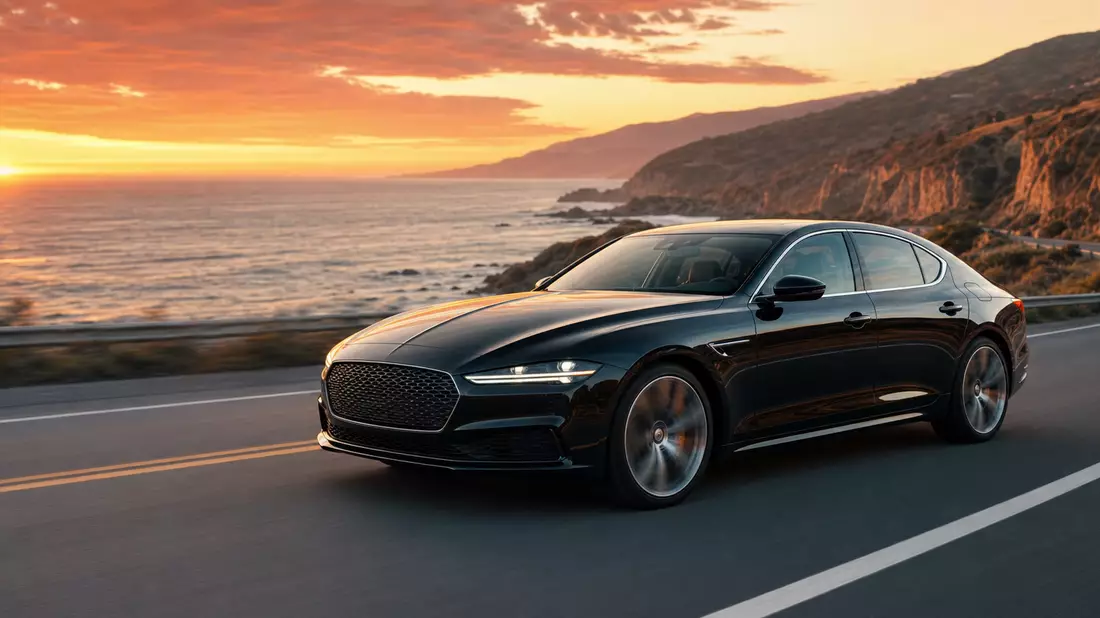
Mercedes (ISIN DE0007100000) is one of Germany's best-known premium car manufacturers and represents a major industrial name in European equity markets. The company is listed on the Frankfurt Stock Exchange and its shares give investors exposure to global demand for passenger cars, vans and related services. As a large incumbent in the automotive sector, Mercedes is reshaping its business around electrified powertrains, digital features and new mobility solutions to adapt to long term trends.
Strategy and global footprint
Mercedes operates a global production and sales network, with plants and subsidiaries in Europe, North America, Asia and other regions. The company sells vehicles under the Mercedes-Benz brand with a focus on premium positioning, and it also participates in financial services related to vehicle leasing and financing. The global footprint allows the business to benefit from demand in multiple regions, but also exposes it to cyclical swings and regulatory developments in each market.
The automaker competes with other premium manufacturers based in Europe, the United States and Asia. Competition spans traditional internal combustion engine vehicles, hybrid models and fully electric cars, as well as emerging software features and connectivity services. For investors, the scale of Mercedes's operations combined with its premium focus can be a structural strength, but it also requires continuous innovation and capital investment.
Electrification and software focus
Like many global carmakers, Mercedes is increasing the share of electrified vehicles in its line-up. The company is working on battery electric models in core segments, including compact cars, sedans and sport utility vehicles. It also develops plug-in hybrid versions of existing models, aiming to provide lower emissions options while customers gradually shift away from pure combustion engines. Electrification is a response to both consumer demand and tightening regulatory standards on emissions.
Software and digital features are another focus area. Modern Mercedes vehicles incorporate advanced driver assistance systems, infotainment platforms and connectivity services. The company seeks to generate recurring revenue through digital features and to strengthen customer loyalty through updates and personalized services. For investors, the transition from a one-time hardware sale toward a mix of hardware and software revenues is a structural theme that can change how the market values traditional automakers.
Learn more about Mercedes stock and investor information
Investors can explore additional data, reports and corporate information on Mercedes as a listed automaker, including its portfolio of vehicles, financial performance, and strategic priorities.
Role in the European market
Mercedes is an important component of the European automotive sector, which itself is a major contributor to regional employment and exports. As a premium manufacturer, the company often participates in higher margin segments compared with mass market brands. This positioning helps support pricing power, especially for new models and high specification vehicles. The brand strength built over decades contributes to customer loyalty and enhances perceived value.
The company is influenced by developments in European regulation, including emissions standards and safety rules. These regulatory frameworks encourage the use of cleaner technologies such as electric drivetrains, and they push manufacturers to integrate advanced safety systems. Mercedes aligns its product development with these requirements, which can involve significant research and development spending and capital investment in new platforms.
Exposure to global cycles
As a global automaker, Mercedes is exposed to macroeconomic cycles and changing consumer confidence. Demand for new vehicles typically rises during periods of economic growth and stable employment, while downturns can lead to deferred purchases and lower sales volumes. Interest rates also play a role because many vehicles are financed or leased; higher financing costs can weigh on demand, while lower rates can support sales.
Currency movements affect the company as well. A stronger home currency can reduce the competitiveness of exports, while a weaker currency can improve the pricing of vehicles abroad but may increase costs for imported components. Investors in Mercedes stock therefore often consider macroeconomic indicators and foreign exchange trends alongside company-specific developments when assessing the outlook.
Electric vehicles portfolio
Mercedes is building an electric vehicles portfolio that spans multiple segments. Battery electric models are introduced in traditional body styles such as sedans and SUVs, as well as in more specialized performance and luxury offerings. These electric vehicles aim to deliver both lower emissions and the comfort and performance expected from the brand. Charging solutions and partnerships with infrastructure providers can also play a role in supporting customer acceptance.
The company invests in battery technology and energy management systems to improve range, charging times and vehicle efficiency. Collaborations with suppliers and technology partners are common, allowing the automaker to share development costs and access specialized expertise. For investors, the progress of the electric portfolio and the ability to generate satisfactory margins on these vehicles are key long term considerations.
Software driven features
Beyond powertrain changes, Mercedes vehicles increasingly rely on software for core functions and customer-facing features. In car infotainment systems integrate navigation, media, communications and app-based services, often with the possibility of over the air updates. Driver assistance features such as adaptive cruise control, lane keeping and parking aids rely on sensors and software algorithms, and they are often packaged into optional equipment bundles.
Software driven features can offer the company a way to differentiate its products and build recurring revenue streams. Certain services may be offered as subscriptions or one time activations that remain available throughout the vehicle's life. By gathering data on usage patterns, the automaker can refine its offerings and tailor marketing campaigns. Investors see this as a potential shift in the business model, adding a technology flavor to a traditional industrial company.
Investment considerations for Mercedes stock
For investors considering Mercedes stock, several structural factors stand out. The company operates in a capital intensive industry and therefore regularly allocates resources to new vehicle platforms, production facilities and research. This can create pressure on free cash flow, but successful new models and efficiency gains can offset these costs over time. Dividends may be part of shareholder returns depending on corporate policy and profitability.
Another factor is the competitive landscape, which includes both traditional automakers and newer entrants focused on electric vehicles and software. Mercedes's ability to maintain its premium pricing and deliver attractive features at a cost that supports margins will influence profitability. The brand's heritage and engineering reputation are strengths, but the market increasingly measures success by software capabilities, battery performance and integration with digital ecosystems.
Representative vehicle model
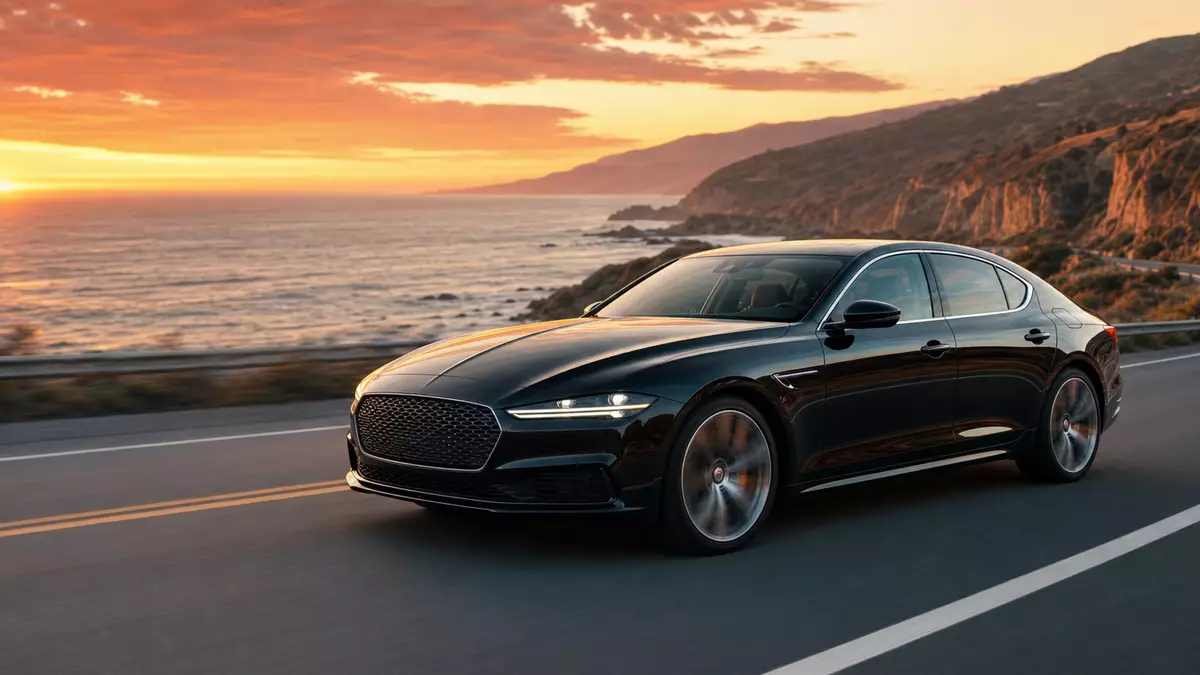
One representative product line for Mercedes is its premium sedan segment, which illustrates the company's approach to combining comfort, performance and technology. These sedans are typically offered with a range of engine options, including efficient combustion variants, plug in hybrids and fully electric versions. Interior design emphasizes high quality materials, advanced infotainment and driver assistance features, reflecting the brand's positioning at the upper end of the mainstream market.
Mercedes stock and listing
Mercedes stock trades on the Frankfurt Stock Exchange, giving investors access to one of Europe's major industrial names. The shares represent ownership in a diversified automotive group with exposure to passenger cars, vans and associated services. For international investors, the listing can be accessed through brokerage platforms that provide trading in European equities alongside US and other markets.
Mercedes equity facts
- Company: Mercedes-Benz Group AG
- ISIN: DE0007100000
- CUSIP:
- Ticker: MBG
- Exchange: Frankfurt Stock Exchange
- Price (as of ):
- Market cap:
- Sector / Industry: Automobiles / Premium vehicles
- Index membership:
- Next earnings date: not yet officially scheduled
Disclaimer zu unseren Artikeln: Keine Anlageberatung, keine Kauf oder Verkaufsempfehlung. Angaben zu Kursen, Unternehmen und Märkten ohne Gewähr; Änderungen jederzeit möglich. Börsengeschäfte können zu hohen Verlusten führen. Unsere Beiträge werden ganz oder teilweise automatisiert mit Unterstützung von AI erstellt und geprüft.