Indutrade stock trades steadily as industrial group digests 2025 results
Published on 07/21/2026 at 21:29 | Editorial responsibility: Rafael Müller, Editor-in-Chief AD HOC NEWS
Indutrade stock represents a diversified exposure to Nordic and European engineering and industrial technology, with the Swedish group Indutrade AB (ISIN SE0001515552) operating a broad portfolio of niche companies across multiple segments. In its most recent full-year reporting cycle for fiscal 2025, Indutrade highlighted continued growth in revenue and earnings, underpinned by a mix of organic development and acquisitions, while maintaining its decentralized governance model and focus on long term value creation.
Revenue and earnings trends in recent years
To understand the context behind Indutrade stock, investors typically start by looking at the group’s revenue progression across recent financial years. Indutrade has gradually expanded its top line as the company has acquired new businesses and supported organic growth within existing subsidiaries. Revenue tends to be reported in Swedish krona, reflecting the group’s home market and reporting currency, and the company’s investor materials emphasize the importance of both volume growth and price management in its industrial segments.
Earnings development goes hand in hand with revenue trends. Over several years, Indutrade has aimed to lift operating profit through efficiency measures, portfolio improvements and disciplined capital allocation. Operating margins are closely watched as a key indicator for Indutrade stock because they show how effectively the group converts revenue into operating income. Management commentary in recent reporting periods has highlighted margin resilience despite cost inflation in materials and labor, suggesting that pricing power and product differentiation help support profitability.
Indutrade stock and acquisition driven growth
A core element of the Indutrade story is its acquisition strategy, which has long served as a growth engine for the group and is central to the appeal of Indutrade stock for many investors. The company typically targets small and medium sized industrial and technology businesses with strong niche positions, often in areas such as flow technology, industrial components or measurement and instrumentation. New acquisitions are integrated into one of Indutrade’s business areas but retain significant operational autonomy, consistent with the decentralized structure.
Over time, the contribution of acquired units to group revenue and earnings has grown, making acquisition discipline and integration capabilities crucial for sustained performance. Indutrade also stresses the importance of cultural fit and long term ownership when adding new businesses, aiming to preserve entrepreneurial drive and local customer relationships. This strategy can help generate recurring revenue streams and strengthen the long term fundamentals underlying Indutrade stock.
Margin focus and operational efficiency
Margin development is another key factor shaping the investment case for Indutrade stock. Industrial groups like Indutrade face input cost volatility in areas such as raw materials, logistics and energy, and they must balance pricing decisions with competitive dynamics in their markets. Indutrade management works to protect and, where possible, enhance operating margins through a combination of product mix optimization, cost control and efficiency improvements at the subsidiary level.
Operational efficiency initiatives can include investments in automation, lean manufacturing, and improved supply chain management. These measures, coupled with careful portfolio management, help Indutrade respond to cyclical swings in demand while maintaining acceptable profitability levels. The interplay between margin trends and acquisition activity is important because new businesses must meet or improve group margin expectations to support long term value creation.
Business areas and geographic exposure
Indutrade stock is anchored in a group that organizes its subsidiaries into distinct business areas covering different industrial and technology segments. Each area focuses on specific products and end markets, ranging from valves, pumps and flow components to advanced measurement instruments and process technologies. This segmentation allows investors to analyze exposures by industry and geography, assessing how different parts of the portfolio may respond to economic cycles.
Geographically, Indutrade has a strong presence in the Nordic region and broader Europe, with some exposure to other international markets through select subsidiaries. The diversity of end customers across sectors such as manufacturing, energy, infrastructure and process industries can help mitigate risk by spreading demand drivers. At the same time, changes in industrial production, capital expenditure cycles and regulatory environments in these regions influence the revenue trajectory and earnings profile associated with Indutrade stock.
Capital allocation and balance sheet discipline
Capital allocation decisions are central to the long term performance of Indutrade stock. The company typically reinvests cash flow into acquisitions, organic growth initiatives and, where appropriate, shareholder distributions in the form of dividends. Maintaining a disciplined balance between growth investments and balance sheet strength is critical, given the group’s reliance on acquisitions as a strategic lever.
Indutrade manages its leverage levels with an eye on financial flexibility, often targeting a range that allows continued acquisition activity without compromising resilience. The balance sheet structure typically includes interest bearing debt alongside equity, and credit metrics such as net debt to EBITDA are monitored to ensure that financing remains sustainable. This financial discipline supports the company’s ability to pursue growth opportunities while providing an element of stability for Indutrade stock.
Dividend policy and shareholder returns
Dividend policy plays an important role in the overall return profile of Indutrade stock. The company has a track record of paying regular dividends to shareholders, reflecting its cash generation capabilities and commitment to returning a portion of profits. Dividend decisions are generally informed by current earnings, expected investment needs and the broader macroeconomic outlook.
Over multiple years, Indutrade has sought to balance dividend growth with reinvestment in the business, recognizing that sustainable long term shareholder value stems from both income and capital appreciation. The pacing of dividend increases and payout levels offer insights into management’s confidence in future earnings streams and the strength of the operating model.
Decentralized governance model and culture
Another distinctive feature of Indutrade stock is the group’s decentralized governance model. Indutrade’s subsidiaries enjoy considerable autonomy in day to day operations, preserving entrepreneurial cultures and allowing local management teams to make decisions close to customers. The central group provides strategic oversight, capital allocation guidance and support on issues such as acquisitions and long term planning.
This combination of decentralized operations and centralized strategic governance can foster agility and responsiveness to market changes. It also supports innovation and customer focus within operating units, as managers retain responsibility for product development, service quality and local relationships. For investors, understanding this model is key to assessing execution risk and scalability across Indutrade’s diverse portfolio.
Market environment and industrial cycle sensitivity
Indutrade stock is influenced by broader industrial cycles, including trends in manufacturing output, investment in infrastructure and energy, and capital spending in process industries. When industrial demand is strong, order intake and revenue for many of Indutrade’s subsidiaries can benefit, supporting higher utilization and potentially better pricing.
Conversely, periods of weaker industrial activity can dampen demand for components and technologies, affecting revenue growth and margins. The company’s diversified exposure across industries and geographies may help smooth the impact of cycles, but sensitivity to macroeconomic conditions remains an important consideration. Investors often monitor indicators such as purchasing managers’ indices, industrial production data and capital expenditure trends to gauge potential impacts on Indutrade’s business.
Innovation, product development and customer relationships
Innovation and product development support the long term competitiveness of Indutrade’s subsidiaries and, by extension, the appeal of Indutrade stock. Many of the businesses in the group specialize in niche, high value added products and solutions, where technical expertise and capability play a central role. Product development efforts often focus on improving performance, reliability and efficiency for customers in demanding industrial environments.
Customer relationships are another critical asset. Indutrade companies aim to build long term partnerships with industrial clients by offering tailored solutions, reliable service and technical support. These relationships can drive recurring revenue streams and help differentiate the group from competitors. Strong customer ties also provide valuable feedback for ongoing product refinement and innovation.
Sustainability considerations in industrial operations
Sustainability considerations increasingly influence the evaluation of Indutrade stock, as industrial companies face growing expectations around environmental, social and governance performance. Indutrade’s subsidiaries operate in sectors where energy efficiency, emissions reduction and resource optimization are important themes. Products such as flow control equipment, measurement instruments and process technologies can contribute to more efficient and safer industrial operations.
On the environmental front, initiatives may include efforts to reduce waste, improve energy efficiency in manufacturing and minimize emissions associated with operations and products. Social aspects involve occupational health and safety, employee development and diversity. Governance focuses on ethical business practices, compliance and transparent reporting. For investors, understanding how Indutrade addresses these areas is part of forming a holistic view of Indutrade stock.
Risk factors for Indutrade stock
Risk assessment is essential when analyzing Indutrade stock. Acquisition integration is a core risk, as adding new businesses involves cultural, operational and financial challenges. A disciplined approach to selecting targets and managing integration processes can mitigate these risks, but they remain inherent in a buy and build strategy.
Macroeconomic risk is also relevant, given the group’s exposure to industrial cycles. Sharp downturns in key end markets can pressure revenue and margins, while currency fluctuations may affect reported results in SEK. Competitive dynamics in technology and industrial components markets represent another risk, as new entrants or established rivals could challenge pricing power or market share.
Opportunities for long term growth
On the opportunity side, Indutrade stock benefits from the group’s ability to identify and acquire promising niche businesses. As industrial processes become more complex and demand for specialized technologies grows, there is potential for Indutrade to expand its portfolio into emerging areas. Opportunities may include advanced measurement systems, automation solutions or environmentally focused technologies that help customers meet regulatory and efficiency requirements.
Organic growth opportunities arise from cross selling across subsidiaries, expanding into new geographic markets and deepening relationships with key customers. Investments in digitalization and data driven services can open additional revenue streams and strengthen competitive positioning.
Indutrade stock and portfolio role
In many diversified equity portfolios, Indutrade stock can serve as a specific exposure to mid cap industrial and technology businesses with a Nordic and European focus. The company’s long term track record of combining acquisitions with organic growth, its decentralized model and its steady dividend policy together shape its profile in multi asset and sector oriented strategies.
Portfolio considerations include the stock’s historical volatility, correlation with broader market indices and sensitivity to industrial and economic indicators. The diversified nature of Indutrade’s underlying businesses may help reduce company specific risk, though sector and macro factors remain relevant.
Representative product and segment perspective
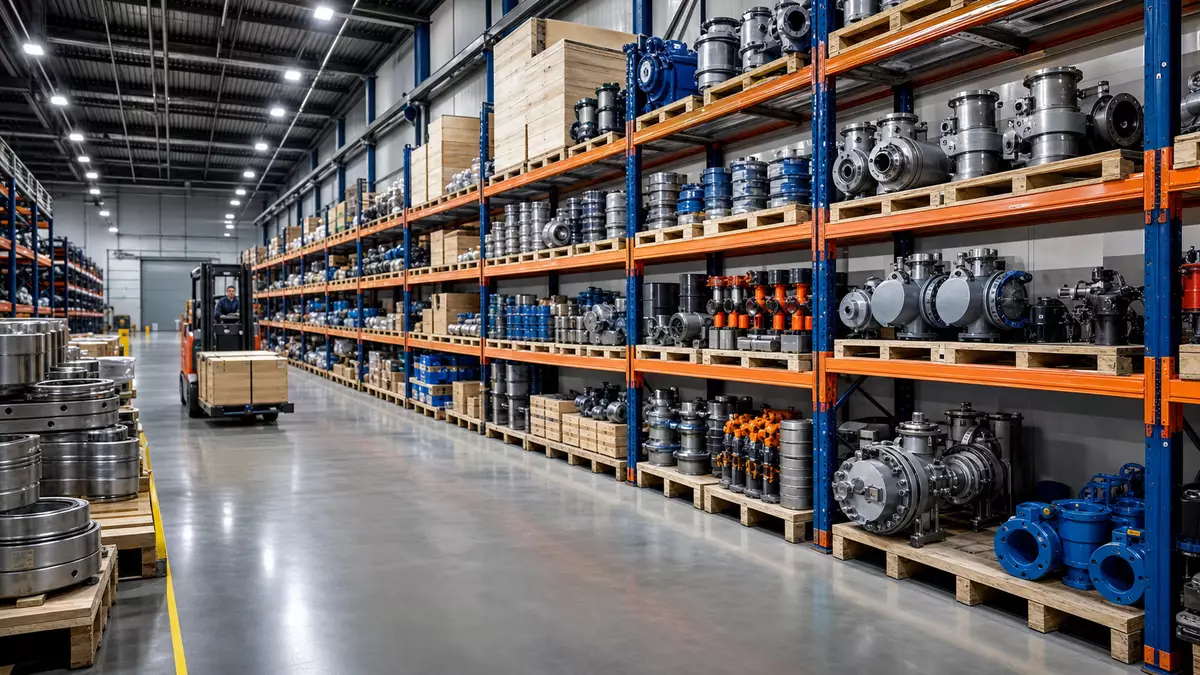
Among Indutrade’s many subsidiaries, flow technology is a representative business line that helps illustrate the group’s product exposure. Flow technology companies may supply valves, pumps, fittings and related components that enable safe and efficient control of liquids and gases in industrial applications. These products are critical for processes in sectors such as energy, chemical production, water treatment and manufacturing.
For customers, reliable flow technology helps minimize downtime, improve safety and optimize process performance. Indutrade’s companies in this area often provide both products and technical support, offering tailored solutions to meet specific process requirements. The recurring nature of replacement and maintenance demand can support stable revenue streams over time.
Indutrade stock and trading venue context
Indutrade stock is primarily listed on Nasdaq Stockholm, reflecting its Swedish domicile and investor base. Trading activity on this venue provides liquidity and price discovery for shareholders and prospective investors. Over multi year periods, the stock’s price performance has reflected both company specific developments and broader market trends in industrial and technology sectors.
Market participants follow Indutrade’s periodic reporting and corporate announcements to update their views on valuation, growth prospects and risk. The interplay between fundamentals, macro conditions and investor sentiment shapes the trajectory of Indutrade stock in the public markets.
Fact box
Company: Indutrade AB
ISIN: SE0001515552
Ticker: NASDAQ STOCKHOLM: INDUT
Trading venue: Nasdaq Stockholm
Sector / Industry: Industrials / Industrial engineering and technology
Index membership: Mid cap and sector related indices on Stockholm exchange
Summary of Indutrade stock profile
Indutrade stock offers exposure to a diversified group of industrial and technology businesses built through a long standing acquisition strategy and supported by organic growth. The company’s decentralized governance model, disciplined capital allocation and focus on margins underpin its long term value creation approach. Industrial cycle sensitivity, acquisition integration and competitive dynamics are key risk factors, while opportunities include expansion into new niches, digitalization and sustainability focused solutions. For investors seeking mid cap industrial exposure with a Nordic and European focus, Indutrade represents a distinct, multi segment industrial holding with an established presence on Nasdaq Stockholm.
Disclaimer regarding our articles: No investment advice, no buy or sell recommendation. Information on prices, companies, and markets is provided without guarantee; changes are possible at any time. Stock market transactions can lead to substantial losses. Our articles are created and reviewed in whole or in part automatically with the support of AI.