DroneShield’s Pipeline Swells to A$2.2 Billion as Recurring Revenue Gains Traction — But ASIC Probe Caps the Stock
16.06.2026 - 08:51:50 | boerse-global.de
The counter?drone specialist is amassing a war chest of orders, yet its share price remains stuck in a regulatory fog. DroneShield’s order book now spans 312 projects worth A$2.2 billion, including 15 opportunities each exceeding A$30 million. One single deal — valued at A$730 million — is slated for a decision in the second half of 2026. That pipeline growth, however, has done little to lift the equity from its current level of A$2.97, a far cry from last October’s record high of A$6.71.
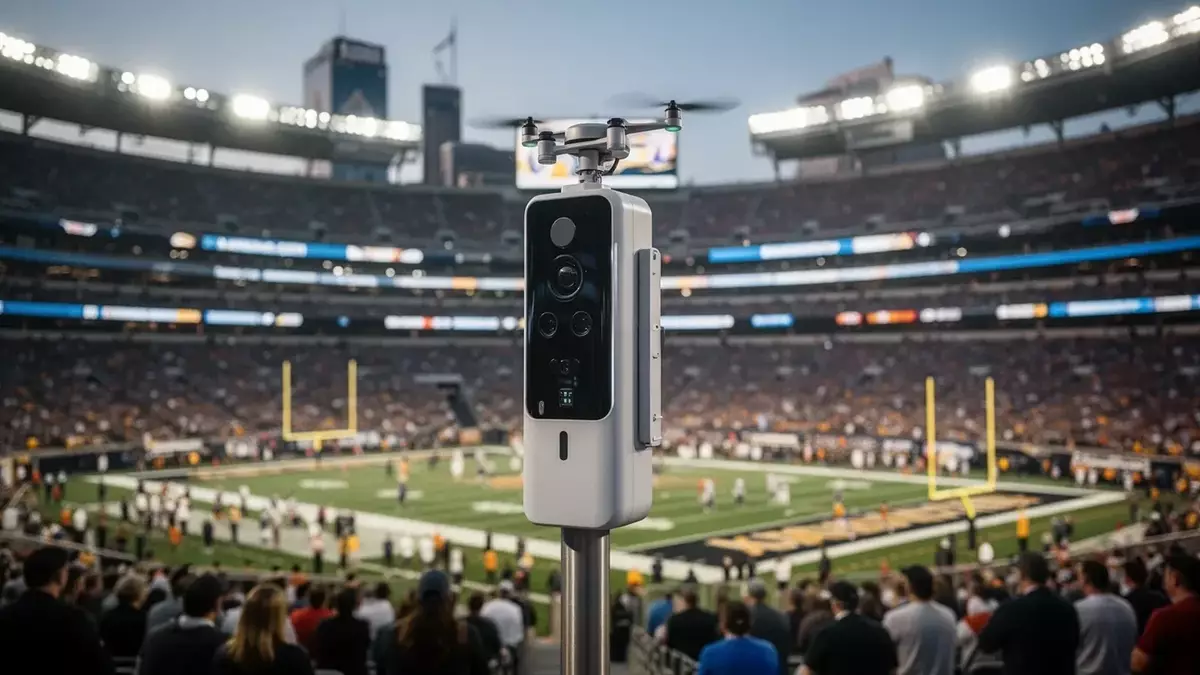
The most tangible operational win in recent months is the Kansas City Police Department contract, which goes far beyond a one?time hardware sale. The system, built in partnership with Airspace Link’s AirHub platform and radar specialist Echodyne, will protect FIFA World Cup 2026 venues, fan zones and public spaces across the entire metropolitan region. Crucially, the network is designed as permanent urban infrastructure — after the tournament ends, DroneShield will continue to collect recurring revenue from the installation.
Across the Atlantic, the company took another strategic leap at the Eurosatory defence show in Paris, unveiling the first counter?drone system manufactured in Europe. The new facility uses a fully European supply chain while meeting the same technical standards as the Australian?built hardware. Sales chief Louis Gamarra said the move directly supports the “EU Readiness 2030” initiative, promising NATO members and allies significantly faster delivery times. The European headquarters in Amsterdam is already operational, and a separate production line at a contract manufacturer in the European Union is running ahead of its original timetable.
Should investors sell immediately? Or is it worth buying DroneShield?
The real drag on the stock is the Australian Securities and Investments Commission investigation into the company’s market disclosures and insider trading. The probe centres on events in November 2025, when former CEO Oleg Vornik, chairman Peter James and director Jethro Marks sold their entire stakes for a combined A$66.8 million, concurrent with a flawed contract announcement that was quickly retracted. At the annual general meeting, more than 50% of shareholders voted against the remuneration report — a “first strike” under Australian corporate law that, if repeated, could trigger a board overhaul.
Financially, the company sits on a sturdy foundation. First?quarter 2026 operating cash flow came in at A$24.1 million, while cash reserves reached A$222.8 million, up 13% from the same period last year. Confirmed revenue for the full year 2026 stands at A$154.8 million, compared with A$94.4 million at the same point in 2025. Analysts remain deeply split: Bell Potter maintains a “Buy” and a A$4.80 target, citing the strong cash position and growing order coverage. Jefferies, by contrast, downgraded to “Underperform” and cut its target from A$3.40 to A$2.80, citing insufficient pipeline transparency. Ord Minnett initiated coverage with a “Lighten” rating and a A$2.28 price objective.
Management is pushing a strategic pivot toward software subscriptions and service contracts, aiming for recurring revenue to account for more than 30% of total sales by 2030, with overall revenue hitting A$1 billion. The company’s US factory is already four months ahead of schedule, and total annual production capacity is on track to reach A$2.4 billion by the end of 2026. The half?year results for the period ending June 30 will be released on August 26, but until the ASIC investigation concludes, the gulf between operational momentum and the stock’s valuation is likely to persist.
Ad
DroneShield Stock: New Analysis - 16 June
Fresh DroneShield information released. What's the impact for investors? Our latest independent report examines recent figures and market trends.