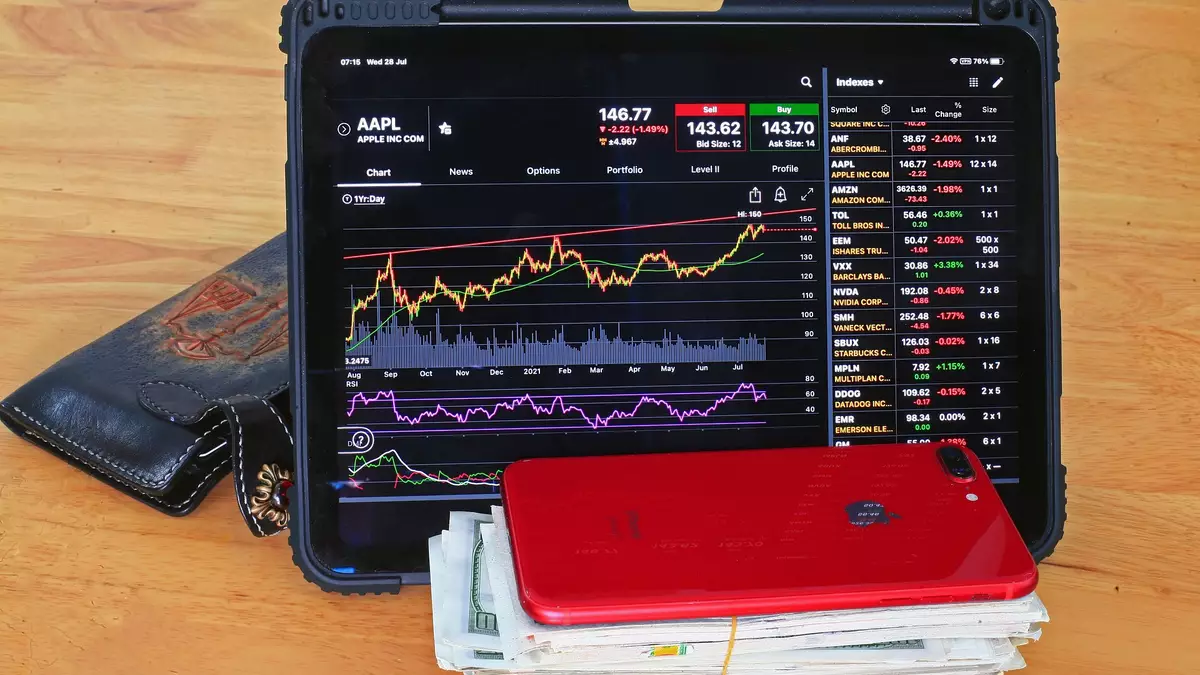
Apple Stock Just Flipped the Script – Here’s What You’re Missing
Published on 02/23/2026 at 14:00 | Editorial responsibility: Rafael Müller, Editor-in-Chief AD HOC NEWS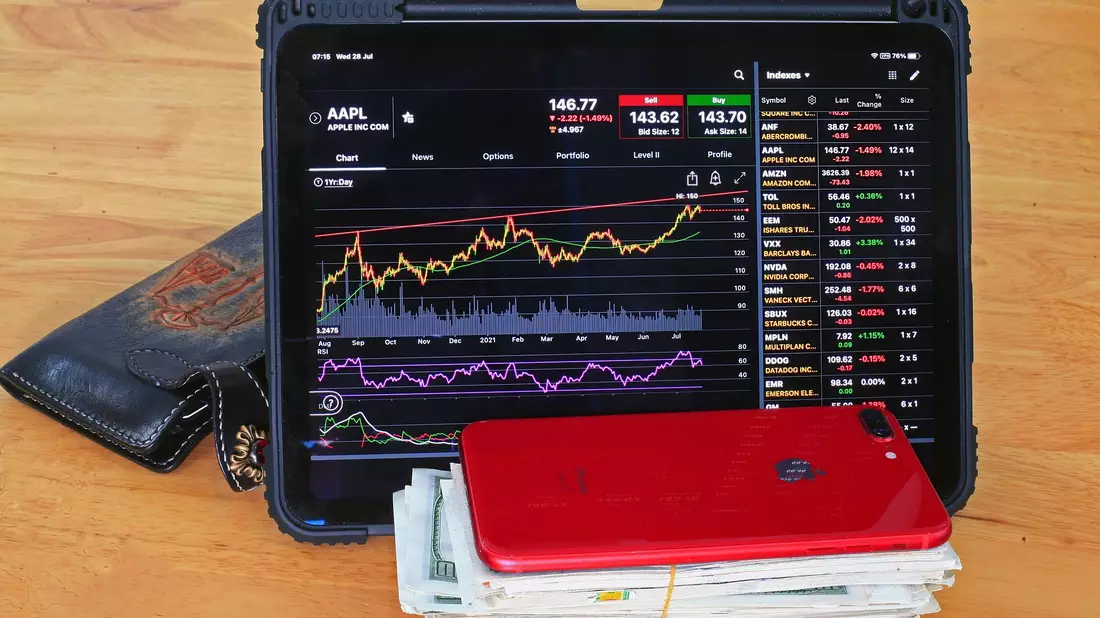
Bottom line: If you only think of Apple as “the iPhone company,” you’re sleeping on what’s actually driving the hype right now: AI, monster buybacks, and a fresh wave of Wall Street upgrades that could totally change how you look at Apple Inc. as an investment.
You use Apple every day – iPhone, Mac, Watch, maybe even AirPods. But the real drama is happening in the stock, in earnings calls, and in how aggressively Apple is trying to turn its ecosystem into an AI-powered money machine. This is where it starts to matter for your portfolio, not just your home screen.
What users need to know now...
Explore Apple’s official lineup and ecosystem here
Analysis: What's behind the hype
Apple Inc. (AAPL) is still one of the most heavily traded stocks in the US, sitting at the center of almost every big theme: AI, privacy, streaming, devices, wearables, and services. In the last couple of days, analysts, regulators, and creators have all piled in with fresh takes – and they’re not just talking about new iPhones.
Here’s what’s driving the current hype cycle in the US market:
- AI push: Apple is doubling down on on-device AI, positioning iPhone and Mac as "AI hardware" instead of just gadgets.
- Services growth: App Store, iCloud, Apple TV+, Apple Music, Apple Pay – these are the recurring revenue streams Wall Street watches hardest.
- Insane buybacks: Apple has been one of the most aggressive companies in the world when it comes to buying back its own stock, which can boost earnings per share and support the price.
- US consumer power: Most of Apple’s brand heat and hardware base is still anchored in the US, where people upgrade, subscribe, and spend in dollars.
Here’s a simplified snapshot of how Apple Inc. looks right now from a US retail-investor perspective:
| Key Metric / Aspect | What It Means for You (US-based) |
|---|---|
| Ticker | AAPL (traded on Nasdaq in USD) |
| Primary Market | United States – easily tradable on all major US brokerage apps (Robinhood, Fidelity, Schwab, etc.) |
| Core Business | Consumer hardware (iPhone, Mac, iPad, Watch, AirPods) + Services (App Store, iCloud, Media, Payments) |
| AI Angle | On-device AI for iPhone and Mac, privacy-focused features, and potential new AI services baked into the ecosystem |
| Revenue Mix Trend | Hardware still huge, but Services is the fast-growing, high-margin segment Wall Street loves |
| US Relevance | Large iPhone installed base, strong upgrade cycles, and subscription-heavy ecosystem in the US |
| Regulatory Pressure | US and EU antitrust attention on the App Store, default apps, and platform control – potential risk but also catalyst for ecosystem changes |
| Volatility | Not a meme stock – but reacts sharply to earnings, new hardware events, and AI announcements |
Why US investors are locked in on Apple right now
For US retail investors, Apple is basically the “default” tech stock – it’s inside S&P 500 funds, your 401(k), your robo-advisor, and probably any broad-market ETF you own. When Apple moves, your index funds move.
What’s new is how Apple is trying to reframe its story around AI and services. Instead of just selling you a $1,000 iPhone every few years, it wants to keep you on:
- Apple Music instead of Spotify,
- Apple TV+ instead of Netflix only,
- iCloud instead of Google Drive,
- Apple Pay and Apple Card instead of pure bank cards.
Every subscription you stack on your iPhone makes Apple’s revenue more predictable – and Wall Street usually rewards that with a higher valuation multiple over time.
How pricing and access work for you in the US
You don’t "buy" Apple Inc. as a product – you buy AAPL shares. Those trade in US dollars on Nasdaq. You can get fractional shares on many US broker apps, meaning you don’t need hundreds of dollars to start a position.
- Currency: USD only on US exchanges.
- Access: Available through most US brokerages and trading apps.
- Fees: Many US platforms now offer $0 commission stock trades, but always check spreads and account fees.
On the consumer side, Apple products in the US are priced in USD, with heavy carrier and financing deals. That matters because easy monthly financing helps maintain iPhone and Mac upgrade cycles, which in turn helps the stock story.
What people are actually saying online
On Reddit investing subs and X (Twitter), you’ll see two loud camps around Apple Inc.:
- Team Diamond Hands: Treats AAPL as a long-term, almost “no-brainer” blue-chip hold anchored by brand loyalty and constant cash flow.
- Team Skeptic: Worried that iPhone growth is slowing, AI messaging is late versus competitors, and regulators are circling the App Store.
On YouTube, finance creators break Apple down like this: rock-solid but not a lottery ticket. You’re not betting on some unknown moonshot; you’re paying for stability, buybacks, and a mature ecosystem that prints cash.
Big themes shaping Apple’s next chapter
- AI-first iPhone and Mac: Apple is leaning hard into on-device AI as a selling point – better Siri, smarter photos, more predictive features, and AI-powered tools for creators.
- Apple Silicon dominance: Its own chips in Macs and iPads give it tighter integration and performance per watt that reviewers keep raving about.
- Wearables & health: Apple Watch and AirPods are now massive businesses on their own, especially in the US, where fitness, wellness, and notifications-on-wrist have gone mainstream.
- Services lock-in: Once your photos, passwords, movies, notes, and payments live inside Apple’s universe, it becomes painful to leave – which investors love.
Want to see how it performs in real life? Check out these real opinions:
What the experts say (Verdict)
Across US financial media and tech analysts, the consensus looks like this: Apple isn’t the fastest grower, but it’s one of the most reliable machines in the market. The stock often gets tagged as a “core holding” rather than a trade.
Pros experts keep highlighting:
- Insane brand power: In the US, iPhone is basically cultural infrastructure. That loyalty makes revenue more predictable.
- Massive ecosystem: Devices + services + wearables form a closed loop – once you’re in, you rarely leave.
- Cash generation: Strong free cash flow supports buybacks and dividends, which can boost long-term returns.
- AI and silicon edge: Custom chips and on-device AI give Apple a differentiated path versus cloud-only AI from rivals.
- Defensive in downturns: Historically, Apple has held up better than many high-flying tech names when markets get rough.
Cons and risks they won’t shut up about:
- Regulation risk: Antitrust pressure on the App Store and platform rules could force Apple to open up or reduce fees, which might hurt Services margins.
- Hardware dependence: iPhone still drives a huge share of revenue; any weak upgrade cycle in the US can hit the stock.
- Valuation questions: Some analysts argue that you’re paying a premium for stability – not a deep “value” play.
- Competition: Samsung, Google, and Chinese OEMs are pushing hard on hardware and AI – even if the US market is Apple-heavy.
- Innovation expectations: Any big event that feels “meh” to creators and reviewers can trigger short-term sell-offs.
The Gen Z / Millennial angle: You don’t need to be a Wall Street pro to understand Apple – you literally live inside its ecosystem. That’s the edge: you see upgrade habits, app spend, and subscription creep in real time around you. The question is whether you want to be just a user, or also an owner of the company behind your screen time.
Apple Inc. isn’t a meme rocket and it’s not a dead dinosaur. It’s a slow, heavy, cash-printing AI-adjacent giant that’s still deeply tied to US consumer behavior. If you’re building a long-term portfolio and want something familiar with global reach and US-first relevance, Apple is probably already on your watchlist – the real decision is how much of your future you want it to own.
Disclaimer regarding our articles: No investment advice, no buy or sell recommendation. Information on prices, companies, and markets is provided without guarantee; changes are possible at any time. Stock market transactions can lead to substantial losses. Our articles are created and reviewed in whole or in part automatically with the support of AI.