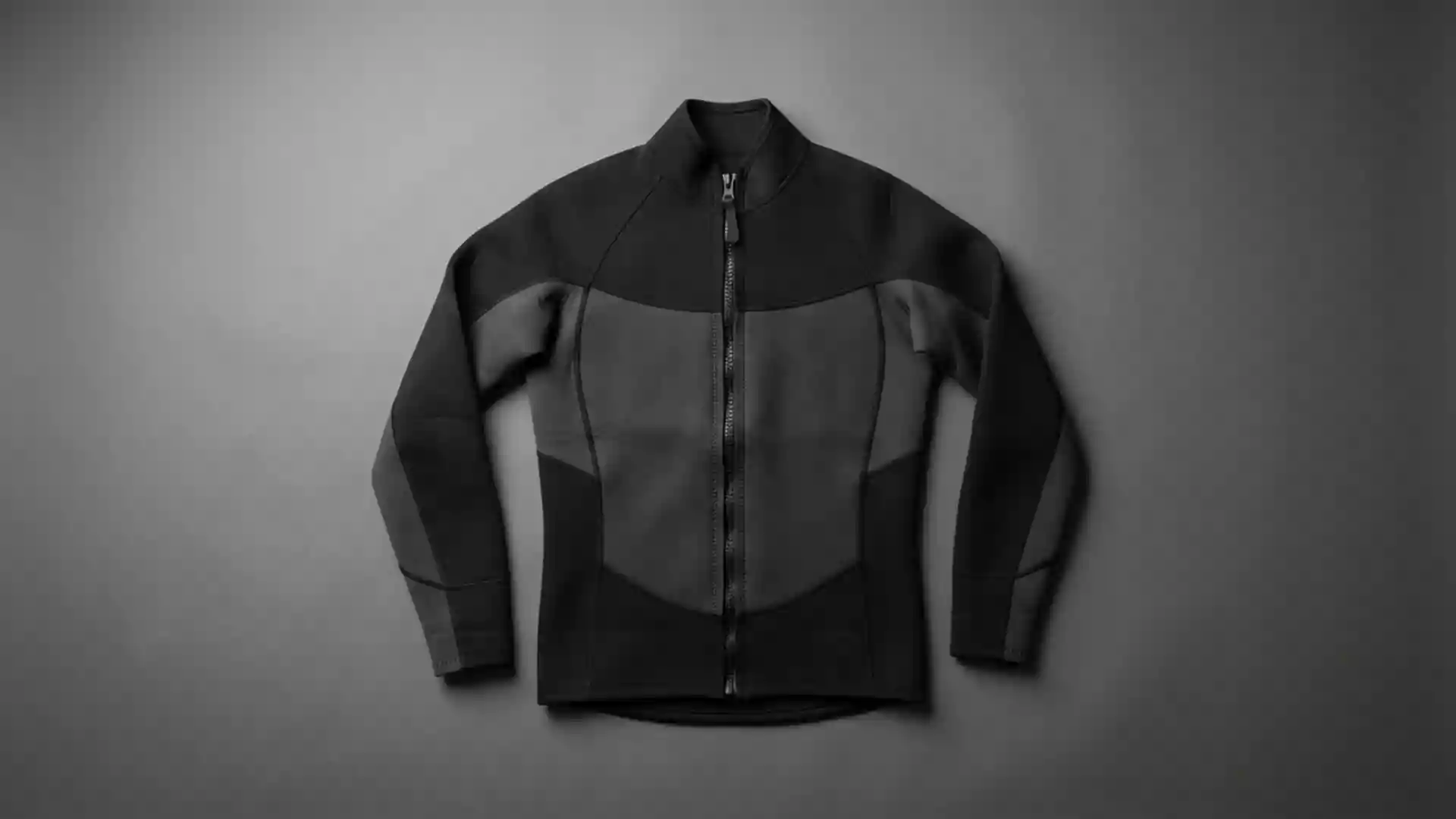
Tribord Neoprene Anti-UV 900 Surf Pants - UPF 50+ Protection in Warm Water
Published on 09/07/2026 at 14:53 | Editorial responsibility: Rafael Müller, Editor-in-Chief AD HOC NEWS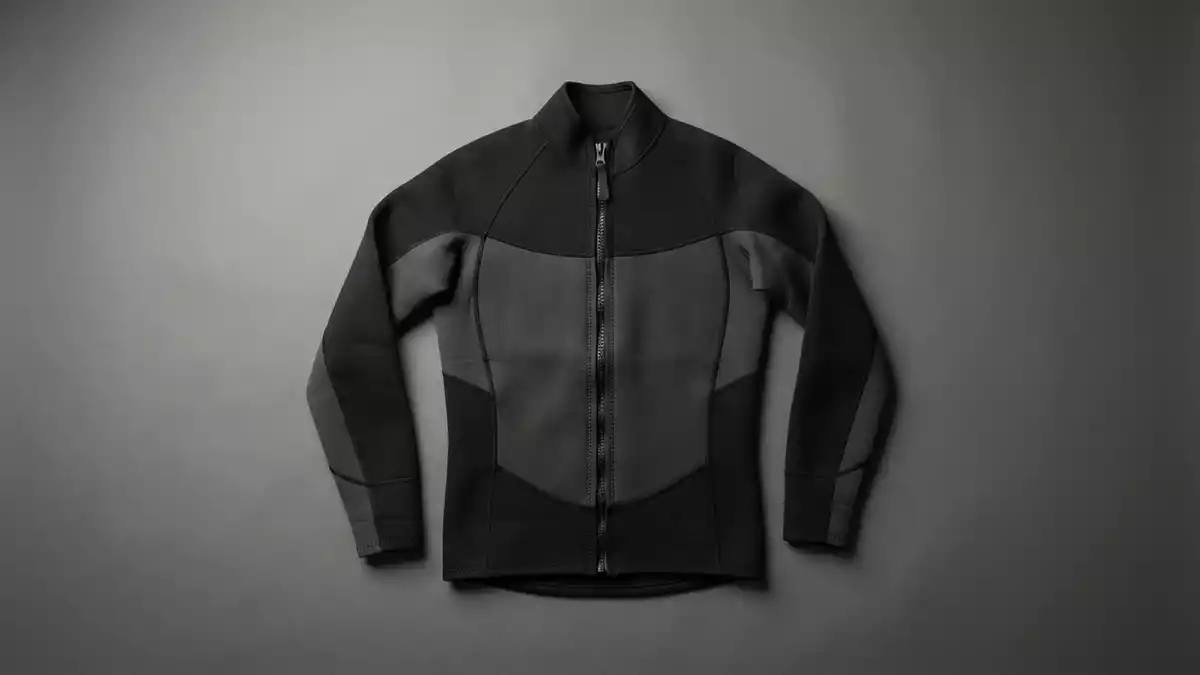
Tribord Neoprene Anti-UV 900 Surf Pants target men who spend long sessions in warm surf, pairing neoprene warmth with UPF 50+ fabric to cut both chill and sun exposure while limiting board irritation. Designed around 1.5 mm neoprene inserts, they focus on comfort and protection when the water sits around 72 degrees Fahrenheit.
Design And Thermal Protection
The core of the Tribord Neoprene Anti-UV 900 Surf Pants is a construction that mixes fabric panels with neoprene inserts, chosen to balance insulation, abrasion resistance and freedom of movement. On the Italian Decathlon listing, the pants are described as using neoprene inserts with a thickness of 1.5 mm to provide thermal input in warm-water surf conditions, rather than full cold-water wetsuit insulation.The product description highlights 1.5 mm neoprene inserts. That thickness is enough to take the edge off warm-water chill while keeping the pants flexible.
Decathlon specifies a recommended minimum water temperature of 22 degrees Celsius for using these anti-UV pants on their own, and caps typical outings at around three hours. Converted to an everyday surfing frame, that points to use in roughly 72-degree Fahrenheit water, where a full thick wetsuit might be excessive but bare boardshorts can feel cool over longer sessions.The same product details outline the 22 °C minimum and three-hour outing duration. Because the neoprene is a closed-cell elastomer foam with nitrogen-filled cells, it traps a thin layer of water and slows heat loss during movement.
To preserve heat and keep the pants in place when the rider hits the lip or falls, Decathlon uses a wraparound waistband with an elastic section, an adjustable drawcord and a small attachment hook. This combination is described as providing stability in the waves, even during wipeouts, while also preventing flushing around the waist.Product notes mention the elastic waist, closure cord and hook. The outer fabric around the neoprene foam is polyester, chosen to increase abrasion resistance where the pants rub against waxed boards or sandy seats.
UV Protection And Anti-Irritation Features
Beyond warmth, the defining trait of these pants is their UPF 50+ rating. Decathlon explains that the fabric used in the anti-UV product blocks at least 95 percent of ultraviolet B rays and 98 percent of ultraviolet A rays, even when wet, meeting the global UPF 50+ standard used to classify textile sun protection.The UPF 50+ explanation on the product page gives the UVA and UVB percentages. Because surf sessions often happen when the sun sits high and reflection off water and sand increases exposure, coverage from waist to ankle can significantly reduce cumulative UV impact compared with short boardshorts.
The anti-UV fabric itself relies on fiber density rather than chemical coatings alone. Decathlon notes that ultraviolet rays are filtered by the tightness of the textile fibers, which means the protection persists over time and through normal washing, with the caveat that elastane components in any pile-lined inserts can degrade in contact with chlorinated pool water.The material section describes fiber density filtering UV and warns about chlorine damage to elastane. For surfers who alternate between ocean breaks and occasional pool training, that chemistry detail matters for maintaining fabric stretch and fit over seasons.
The product is also framed explicitly as a solution to board-related irritation. Internal testing protocols cited by Decathlon validate that the pants limit chafing against surfboards and bodyboards for sessions up to three hours, with reinforced panels where friction is highest. That protection extends to both saltwater and sand abrasion when sitting or paddling prone.Decathlon Italy remarks on the three-hour anti-chafe validation against surfboard contact. Compared with traditional boardshorts, which rely on smooth linings and loose cuts, the tighter neoprene-fabric blend here aims to minimize repetitive rubbing at the thighs and waist.
Fit, Intended Use And Sport Versatility
Tribord Neoprene Anti-UV 900 Surf Pants belong to Olaian, Decathlon's surf-focused brand based in Hendaye, France, and are conceived primarily for surfing in warm water for outings beyond two hours. The design team description emphasizes long warm-water surf sessions, but the pants are positioned as usable across a range of water sports that involve contact with boards and equipment, including kitesurfing, windsurfing, wakeboarding, waterskiing, stand-up paddleboarding and sea walking along the shore.The same page lists surf, kitesurf, windsurf, wakeboard, SUP and other sports as target uses. This versatility helps riders who mix disciplines within a season avoid buying separate lower-body pieces for each board sport.
Fit-wise, the pants present a wraparound cut at the waist that is intended to stay put during duck dives, bottom turns and wipeouts, especially when paired with a matching anti-UV top. Decathlon recommends coordinating the pants with its anti-UV tops in the 500 or 900 series, available in short-sleeve and long-sleeve formats, to extend coverage over the torso and arms and maintain a stable interface between top and bottom layers.Product guidance suggests using an Anti-UV Top 500 or 900 with the pants. That combination creates a pseudo two-piece warm-water suit with fewer exposed skin zones.
Decathlon places a two-year warranty on the product, a detail that frames expectations for durability of the neoprene foam and textile covering under repeated compression and salt exposure.The Italian listing states a two-year warranty period. The brand also underscores that the neoprene's thermal performance is tested and guaranteed, aligning the pants more with technical water-sport gear than casual beachwear.
More Details On Tribord Neoprene Anti-UV Surf Gear
Decathlon and its Olaian surf brand publish full technical notes on anti-UV pants, tops and wetsuits, including care, sizing and warranty specifics.
Comparison With Standard Boardshorts And Wetsuits
Compared with typical boardshorts used in warm water, Tribord Neoprene Anti-UV 900 Surf Pants add several quantified layers of protection. Where boardshorts often offer no stated UPF rating and rely on relatively thin woven fabric, these pants carry a UPF 50+ classification that blocks at least 95 percent of UVB and 98 percent of UVA rays over the covered area.The explained UPF 50+ standard gives the blocking percentages for UVA and UVB. For riders spending three hours in bright conditions, that numeric difference means far less cumulative UV load on the thighs and calves.
Relative to thick cold-water wetsuits that use 3 mm or 4 mm neoprene throughout, these pants sit on the opposite side of the insulation spectrum. The 1.5 mm inserts deliver a lighter thermal boost suited to 22-degree Celsius water, but they are not conceived for the 10-degree Celsius ranges tackled with full winter suits.Tribord's broader neoprene line notes 3 mm neoprene for cold waters in separate wetsuits. That separation helps surfers decide between full neoprene coverage for truly cold breaks and lighter lower-body protection for warmer climate sessions.
Another important contrast lies in irritation control. Whereas some boardshorts use single-layer fabric and rely on a loose cut to reduce rubbing, Decathlon's testing for these pants focuses on limiting chafing over three-hour sessions against hard board surfaces, especially at the contact zones where the rider lies prone or shifts weight during maneuvers.Internal protocols validate anti-chafe performance for outings lasting up to three hours. For surfers prone to thigh irritation from wax and sand, that specific promise may be more compelling than thermal metrics.
Context In The Tribord And Decathlon Range
Tribord functions as Decathlon's brand for sailing and nautical sports, with Decathlon operating Tribord collections across regional sites in Europe and North America. On Decathlon's German Tribord brand page, products span sailing jackets, shorts, neoprene suits, gloves, inflatable kayaks and more, illustrating that the surf pants sit within a larger ecosystem of technical apparel and gear for water sports.The Tribord collection overview lists hundreds of nautical items from jackets to neoprene suits. That context matters for buyers who want matching tops, jackets or accessories that share similar material logic and warranty conditions.
More broadly, Decathlon positions anti-UV apparel as a layer in a full sun-protection strategy for water sports. The product information reminds users that even with UPF-rated clothing, factors like reflection off water and sand, time of day and ambient heat continue to affect exposure, so complementary measures such as sunglasses, hats, high-SPF sunscreen and frequent hydration remain necessary.The guidance section discusses reflection, heat and the need for sunglasses, hats, sunscreen and hydration. In other words, the pants solve a specific slice of the sun and irritation problem rather than serving as a complete protective system.
Use Case Verdict For Warm-Water Riders
Placed against the wider field of warm-water surf apparel, Tribord Neoprene Anti-UV 900 Surf Pants fit riders who want quantifiable UV coverage and mild thermal insulation without committing to a full wetsuit. The numeric anchors are clear: 1.5 mm neoprene inserts, UPF 50+ fabric that blocks at least 95 percent of UVB and 98 percent of UVA rays, a recommended minimum water temperature around 22 degrees Celsius and internal validation of anti-chafe performance for outings lasting about three hours.The product page brings together the 1.5 mm thickness, UPF 50+, thermal guidance and three-hour use testing. That combination makes them best suited to surfers, paddlers and board riders in climates where the water feels pleasant but extended exposure still raises questions of chill and UV load.
Tribord Neoprene Anti-UV 900 Surf Pants At A Glance
- Product: Tribord Neoprene Anti-UV 900 Surf Pants, men's warm-water surf bottoms with UPF 50+ fabric and neoprene inserts
- Manufacturer: Decathlon (Olaian surf design team)
- Category: Warm-water surf pants with UPF 50+ sun protection
- Neoprene thickness: 1.5 mm neoprene inserts for thermal input in warm water
- UV protection: UPF 50+ fabric blocking at least 95% UVB and 98% UVA across covered areas
- Recommended water temperature: Minimum 22 °C for use on its own, with outings validated up to about 3 hours
- Target audience: Warm-water surfers and board riders seeking lower-body UV coverage, reduced chafing and moderate insulation without a full wetsuit