
Potensic ATOM SE GPS Drone Under 249g - 4K Camera And 31 Minute Flight Time
Published on 09/10/2026 at 16:06 | Editorial responsibility: Rafael Müller, Editor-in-Chief AD HOC NEWS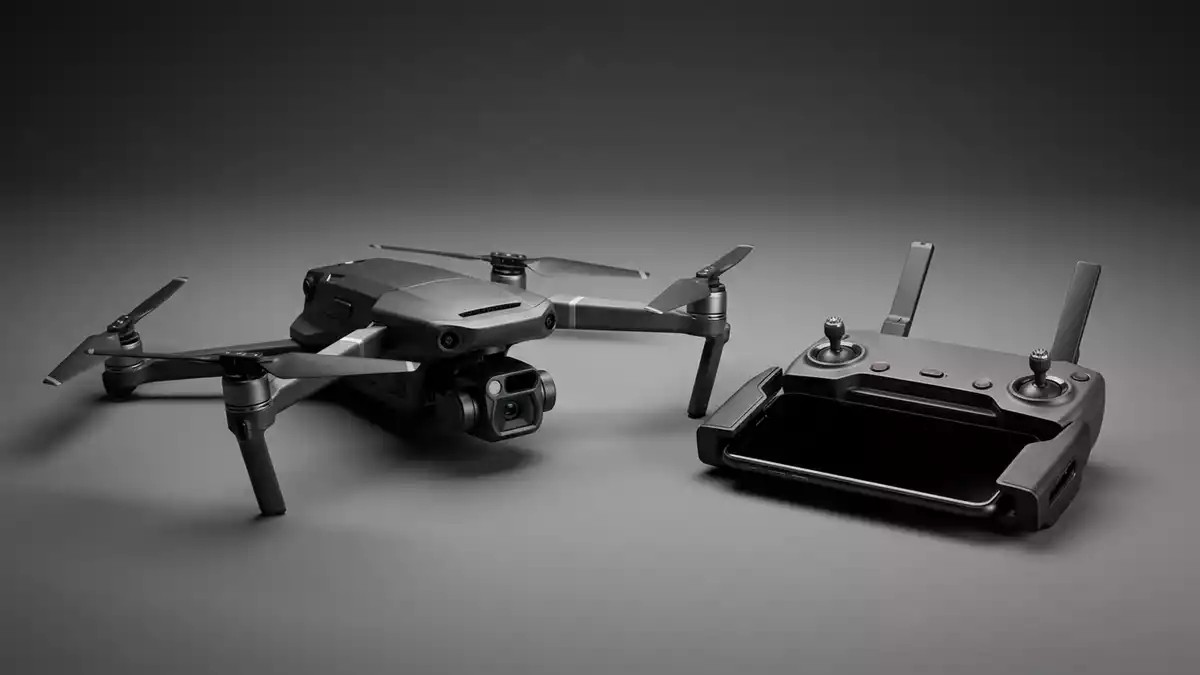
Potensic ATOM SE GPS Drone under 249g targets US recreational pilots who want 4K video in a lightweight package that stays below FAA registration limits. With a listed takeoff weight under 249 g and up to 31 minutes of flight time per battery, it aims to compete directly with other compact camera drones that emphasize portability and ease of use.
Design, Weight And Dimensions
The Potensic ATOM SE is a small foldable GPS drone designed to keep its takeoff weight under 249 g, including the original intelligent battery, propellers and a microSD card, according to Potensic's published specs on the ATOM SE page.Potensic lists the takeoff weight as less than 249 g The folded size is specified as 88 x 143 x 58 mm, while the unfolded dimensions with propeller blades are 300 x 242 x 58 mm, giving it a footprint that remains compact enough to fit into a small shoulder bag or camera backpack.The same spec sheet lists both folded and unfolded dimensions
Potensic highlights that the ATOM SE weighs less than 249 g and measures 300 x 242 x 58 mm in its unfolded form, positioning it as a palm-sized drone for travel and casual filming.The ATOM SE product overview reiterates the under-249 g weight and unfolded dimensions External test coverage confirms the quoted 249 g class weight and the same unfolded dimensions, underlining that this drone sits firmly in the sub-250 g segment favored by hobbyists who want lighter regulatory requirements in the United States.An independent 2026 review repeats the 249 g weight and 300 x 242 x 58 mm size
Camera System And Video Capabilities
The ATOM SE carries a Sony CMOS camera sensor with a 12 MP effective resolution, enabling 4608 x 2592 still photos and 4K video recording at up to 30 frames per second.Potensic specifies a Sony 12 MP CMOS sensor with 4K 30 fps video support Potensic states that the camera supports both JPG and RAW (DNG) photo output, which allows more flexibility for users who want to adjust exposure and color in post-production workflows common in enthusiast-level photography.A 2024 announcement describes JPG and RAW (DNG) image formats alongside 4K video
To stabilize footage, the ATOM SE uses a single-axis mechanical gimbal for tilt combined with electronic image stabilization marketed as ShakeVan EIS, which is designed to reduce shake on the remaining axes.Independent testing identifies a single-axis mechanical tilt gimbal paired with electronic image stabilization Coverage of the drone's specifications also notes a video resolution range that includes 4K at 30 fps and 1080p at up to 60 fps, allowing users to switch between resolution and frame rate depending on whether they prioritize detail or smoother motion in their footage.A detailed spec summary lists 4K/30 fps and 1080p/60 fps as supported video modes
Flight Performance, Battery And Control Range
Potensic specifies a maximum flight time of up to 31 minutes per intelligent battery for the ATOM SE, measured under low-wind conditions at a steady 5 m/s flight speed.A spec table for ATOM SE batteries lists 31 minutes per battery at 5 m/s in breezeless conditions In sport mode, the drone's maximum horizontal speed is specified at 16 m/s, while ascent and descent speeds are listed at 5 m/s and 4 m/s respectively, reflecting a performance envelope typical of compact GPS camera drones designed for recreational use rather than high-speed racing.Potensic's spec sheet lists 16 m/s horizontal, 5 m/s ascent and 4 m/s descent speeds in Sport Mode
The ATOM SE incorporates PixSync 2.0 digital transmission to deliver live video and control signals over a stated range of up to 4 km under unobstructed, low-interference conditions.Potensic describes a 4 km control range for ATOM SE with PixSync 2.0 transmission Reviews of the ATOM SE reiterate this 4 km control range and emphasize that the drone relies on GPS, GLONASS and Galileo satellite positioning along with return-to-home modes such as smart RTH, low-battery RTH and failsafe RTH to help pilots maintain control and bring the drone back to its takeoff point when signal or battery conditions change.An independent spec overview lists a 4 km transmission distance and GPS + GLONASS + Galileo positioning with multiple RTH modes
Regulatory Position And Use In The United States
Because the ATOM SE's takeoff weight is below 249 g, sources focusing on camera drone regulation note that the model does not require FAA registration for recreational use in the United States, as the current threshold for mandatory registration of recreational drones is 250 g.A 2026 review explicitly states that ATOM SE is exempt from FAA registration when flown recreationally because it is under 249 g The drone offers GPS-based return-to-home functions and supports follow-me and other intelligent flight modes intended to simplify operation for pilots who may be stepping up from toy-class drones into models with camera stabilization and more advanced navigation capabilities.A spec listing notes follow-me, return-to-home and GPS as part of the ATOM SE feature set
Multiple reviews emphasize that despite its lightweight construction, the ATOM SE is rated for wind resistance up to level 5, corresponding to wind speeds around 10.7 m/s or approximately 38 km/h, which aligns with Potensic's formal specification for maximum wind speed resistance.Potensic lists a maximum wind speed resistance of 38 km/h (Level 5) for the ATOM SE This combination of sub-249 g weight, GPS and GLONASS positioning, and level 5 wind resistance aims to give US users a drone that feels more capable than entry-level toy models while remaining within a light regulatory framework.
Potensic ATOM SE Official Specs And Features
For the full technical breakdown, including detailed flight parameters and camera capabilities, Potensic publishes an ATOM SE specifications page.
How It Compares To Other Compact Camera Drones
Independent comparisons position the Potensic ATOM SE among ultralight camera drones that deliver 4K video and 30-plus-minute flight times, with reviews noting its 31-minute stated flight time per battery as similar to or slightly behind top-tier models that claim over 30 minutes of flight time.A 2026 review frames the ATOM SE as an ultralight drone with 32-minute class flight times and a 6 km range in broader comparisons Where it differentiates is in its combination of single-axis mechanical gimbal and electronic stabilization, rather than the three-axis gimbals that some higher-priced competitors use, and in its emphasis on under-249 g weight to stay below FAA registration requirements for hobby use.
The ATOM SE's 4 km transmission range with PixSync 2.0 is shorter than some higher-end drones that advertise 6 km or more, but still exceeds the distances at which most US recreational pilots are expected to operate line-of-sight flights.A full specification summary lists a 4 km PixSync 2.0 transmission distance for ATOM SE as part of its positioning against other camera drones In that context, the drone's mix of 4K video, RAW photo support, 31-minute battery rating and sub-249 g takeoff weight makes it a contender for users who want camera flexibility and regulatory simplicity more than extended-range flight.
Use Cases, Limits And Who It Suits
Given its specifications, Potensic ATOM SE GPS Drone under 249g primarily suits recreational pilots and content creators who value not having to register their drone for hobby use in the US while still wanting 4K footage, RAW image capture and GPS-based return-to-home capabilities. The combination of a 12 MP Sony CMOS sensor and ShakeVan EIS stabilization targets users interested in travel vlogs, scenic landscape shots and social media video clips rather than purely professional cinema work.
Limitations noted in independent reviews include the absence of multi-directional obstacle avoidance sensors and reliance on a single-axis mechanical gimbal, which can leave footage more susceptible to roll and yaw bumps than drones with three-axis mechanical stabilization.A spec overview lists obstacle avoidance as "none" alongside the single-axis mechanical gimbal and electronic stabilization As a result, the ATOM SE is better suited to pilots comfortable planning their flight paths around obstacles and handling manual control inputs to keep motion smooth, rather than those seeking high-end autonomous avoidance systems.
Potensic ATOM SE GPS Drone Under 249g Key Facts
- Product: Potensic ATOM SE GPS Drone under 249g
- Manufacturer: Potensic
- Category: Camera drone (sub-249 g, GPS)
- Takeoff weight: Less than 249 g including battery, propellers and microSD card
- Dimensions (unfolded with propeller blades): 300 x 242 x 58 mm
- Camera and resolution: Sony CMOS sensor, 12 MP stills and 4K video at 30 fps
- Maximum flight time: Up to 31 minutes per battery at 5 m/s in low-wind conditions
- Maximum transmission distance: Up to 4 km with PixSync 2.0 digital transmission
- Target audience: US recreational drone pilots and content creators seeking sub-249 g 4K camera performance with GPS return-to-home


