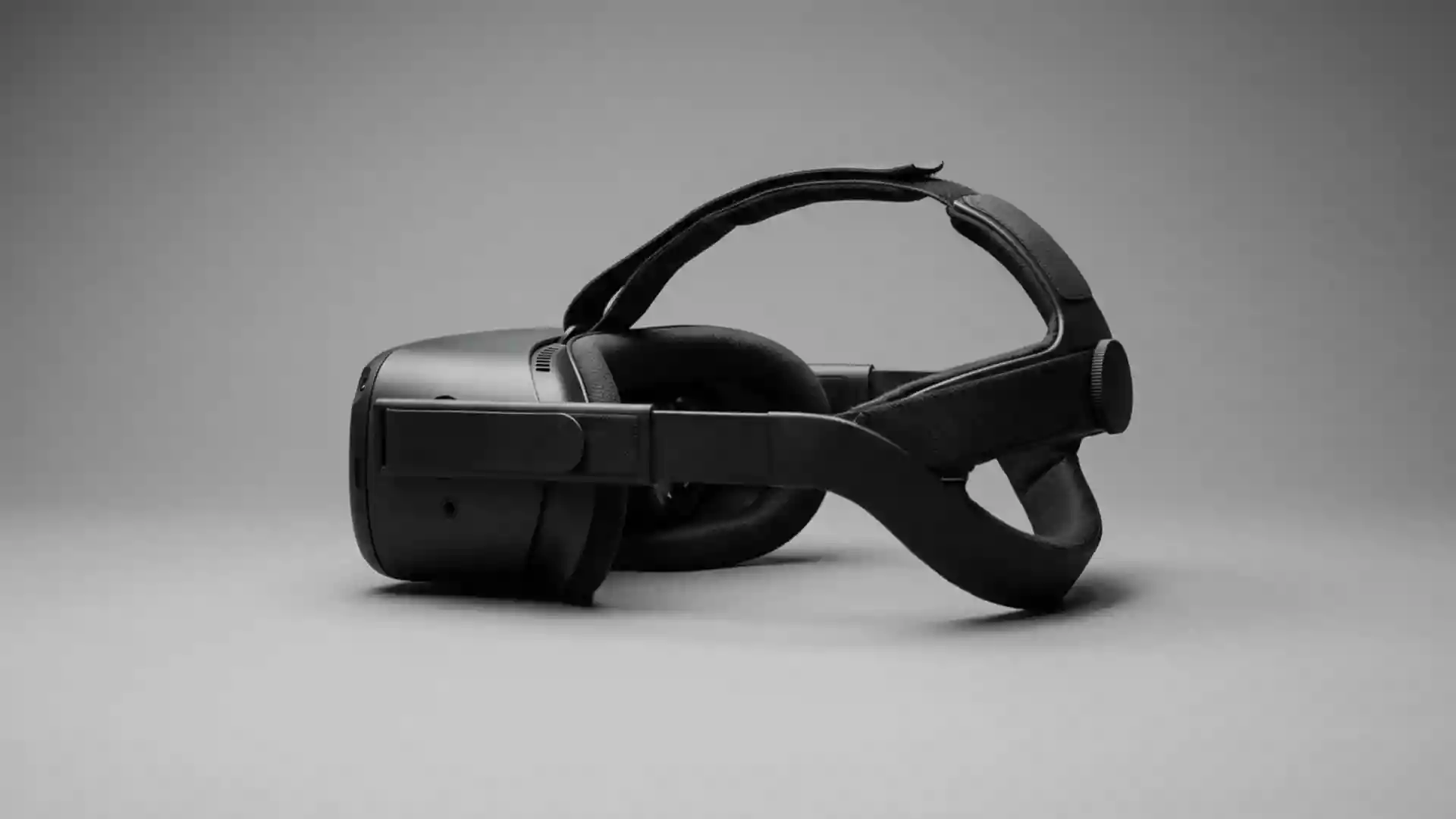
Pimax Dream Air VR-Headset - Feather-Light 8K PCVR With Sony Micro-OLED
Published on 09/11/2026 at 08:34 | Editorial responsibility: Rafael Müller, Editor-in-Chief AD HOC NEWS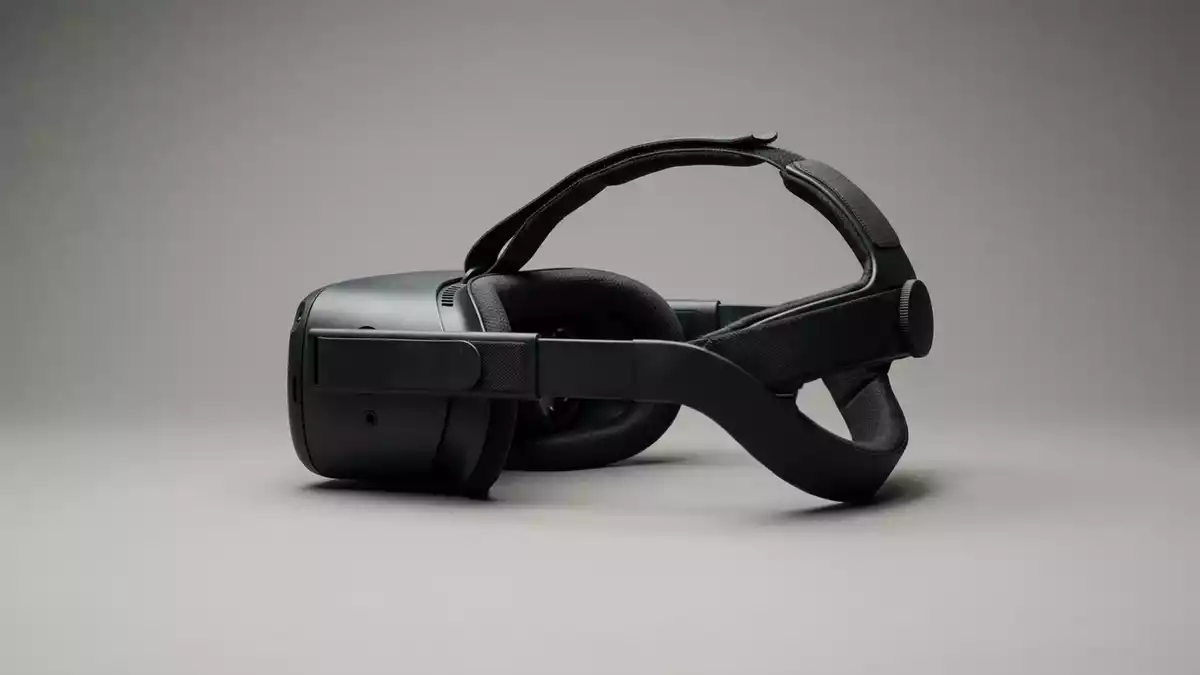
Pimax Dream Air VR-Headset is a wired PCVR headset built around Sony micro-OLED displays that deliver 3840 x 3552 pixels per eye in a compact shell weighing under 170 grams, aimed squarely at PC-based virtual reality enthusiasts who prioritize clarity and comfort.The Dream Air listing frames it as a high-end tethered headset with premium optics, eye-tracking hardware, and support for advanced PC graphics cards.
Display, Optics And Tracking Options
At the core of Pimax Dream Air is a pair of Sony micro-OLED panels, each with a native resolution of 3840 x 3552 pixels per eye, for a combined 7680 x 3552 pixel canvas that targets extremely sharp visual output in VR.The specifications on Pimax's store list this per-eye resolution alongside a claimed horizontal field of view of 110 degrees and refresh rates of 72 or 90 Hz, which positions the headset toward the high end of PCVR displays.
Pimax uses what it calls ConcaveView pancake lenses, a three-layer lens design with a concave top layer, to achieve a wide field of view in a small form factor while maintaining high clarity.The Dream Air technology overview describes these lenses as delivering the widest field of view among micro-OLED VR headsets in a compact body, and third-party coverage reiterates the roughly 110-degree rendered field of view and strong stereo overlap.A detailed PCVR review notes that this optical setup contributes to a perception of high clarity across much of the view.
The Dream Air line is offered in two main configurations: a Lighthouse version that relies on external SteamVR base stations for outside-in tracking, and a SLAM version that uses four on-headset cameras for inside-out tracking with 6DOF controllers.The official comparison of Lighthouse and SLAM editions indicates that the Lighthouse version does not include controllers and has no integrated hand tracking, while the SLAM edition ships with two 6DOF controllers, integrates hand tracking through its cameras, supports passthrough, and does not support external SteamVR trackers.
Weight, Comfort And PC Requirements
One of the defining metrics for Pimax Dream Air is its weight, which Pimax lists as under 170 grams for the headset alone, without cable.The product specification highlights this low mass as a key selling point, and media hands-on impressions from events such as CES 2026 emphasize that the headset feels significantly lighter than many competing PCVR devices.
Powering this display and optics setup demands a capable PC. Pimax notes that the Dream Air is optimized for modern gaming PCs and lists a minimum GPU of an Nvidia RTX 2080, with a recommended level of RTX 3070 or higher to take advantage of dynamic foveated rendering and adjustable render resolution.The Dream Air overview page also points out that the headset connects via a DisplayPort cable, delivering uncompressed visuals from the PC to the micro-OLED screens.
For laptop users, Pimax specifies that the Dream Air can work as long as the laptop offers a direct GPU output through Mini DisplayPort or USB-C, and that an adapter supporting DisplayPort 1.4a at 8K resolution and 60 Hz is needed for proper operation.The laptop compatibility section further suggests checking GPU routing through Nvidia Control Panel PhysX settings when in doubt, indicating that the Dream Air is firmly a tethered PC headset rather than a standalone device.
Explore Pimax Dream Air Details
Pimax provides full Dream Air specifications, tracking options and PC requirements on its dedicated product page.
Pricing, Versions And Included Features
Pimax prices the Dream Air Lighthouse version at $1,999.00 USD, a figure presented as both the regular and sale price on the official US store, with shipping and taxes calculated at checkout as of 09/11/2026.The purchase page clarifies that this amount covers the headset itself and that every order includes the newly revised Dream Air face mask, which may ship separately if the headset is dispatched with an older mask fitted first.
Independent coverage of the Dream Air line notes that the SLAM version with inside-out tracking and bundled controllers is priced higher than the Lighthouse-only configuration, with reports placing the SLAM edition at $2,299 USD and the base station-compatible edition at $1,999 USD, excluding tax.A PCVR-focused review frames the Lighthouse version as suitable for users who already own SteamVR base stations and compatible controllers, while the SLAM package targets newcomers who want tracking and controllers in one bundle.
Regardless of tracking option, Pimax equips the Dream Air with DFR-ready eye-tracking, integrated spatial audio, and a dual-fan cooling system.The feature list also mentions a split DisplayPort cable and notes that the Lighthouse edition supports SteamVR trackers, while the SLAM edition does not. Warranty terms on the store describe a standard 14-day return window and a one-year warranty, with Pimax committing to replace the headset at no cost to the user, including shipping, for hardware issues that occur through no fault of the owner within the warranty period.The warranty section underscores that defective units qualifying under these terms are replaced rather than simply repaired.
How Dream Air Compares In The PCVR Landscape
In the broader PCVR market, Pimax Dream Air competes with both other Pimax headsets and mainstream devices such as Meta's standalone offerings. The Dream Air's 3,840 x 3,552 per-eye resolution and claimed 110-degree field of view put it above many consumer headsets that sit closer to 2,000 to 2,500 pixels per eye and narrower fields of view, though the tethered design and PC reliance differentiate it from standalone options.A published specification table shows the Dream Air's resolution and field of view values alongside its maximum 90 Hz refresh rate, underscoring that the headset prioritizes visual fidelity and comfortable optics over untethered convenience.
Within Pimax's own lineup, the Dream Air sits as a compact counterpart to heavier, wide-FOV models like the Pimax Crystal Super 8K Micro-OLED, which is listed on the same store with a regular price of $2,199.00 USD.The related products section presents the Crystal Super 8K as a more expensive, larger headset, while the Dream Air aims to deliver high-end visuals in a significantly lighter package at $1,999.00 USD for the Lighthouse variant, giving PCVR enthusiasts a clear choice between maximum field of view and compact comfort.
For PC-based VR users willing to invest in a powerful GPU and a premium tethered headset, Pimax Dream Air combines micro-OLED resolution, advanced eye-tracking support and a sub-170 g chassis into a distinctive package, but those seeking wireless or standalone operation will need to look elsewhere or add streaming solutions because the Dream Air is strictly a wired DisplayPort headset with no built-in standalone mode.The Dream Air overview emphasizes compatibility with SteamVR and OpenXR applications through Pimax Play, underlining its niche as a high-fidelity PCVR display rather than a general-purpose all-in-one VR device.
Key Facts About Pimax Dream Air VR-Headset
- Product: Pimax Dream Air VR-Headset (Lighthouse version, wired PCVR)
- Manufacturer: Pimax Innovation Inc., San Jose, CA (US operations)
- Category: VR headset (PC-based, wired DisplayPort)
- Display resolution: 3840 x 3552 pixels per eye, 7680 x 3552 total
- Field of view: Approximately 110 degrees horizontal with ConcaveView pancake lenses
- Refresh rates: 72 Hz and 90 Hz, depending on configuration
- Headset weight: <170 g (headset only, without cable)
- PC GPU requirement: Minimum Nvidia RTX 2080, recommended RTX 3070 or higher
- Price: $1,999.00 USD for Lighthouse version (as of 09/11/2026)
- Target audience: PCVR enthusiasts seeking high-resolution, lightweight wired VR with advanced eye-tracking and either Lighthouse or SLAM tracking options