
Pimax Crystal Super VR-Headset - High-Resolution PCVR With Wide Field Of View
Published on 09/17/2026 at 06:11 | Editorial responsibility: Rafael Müller, Editor-in-Chief AD HOC NEWS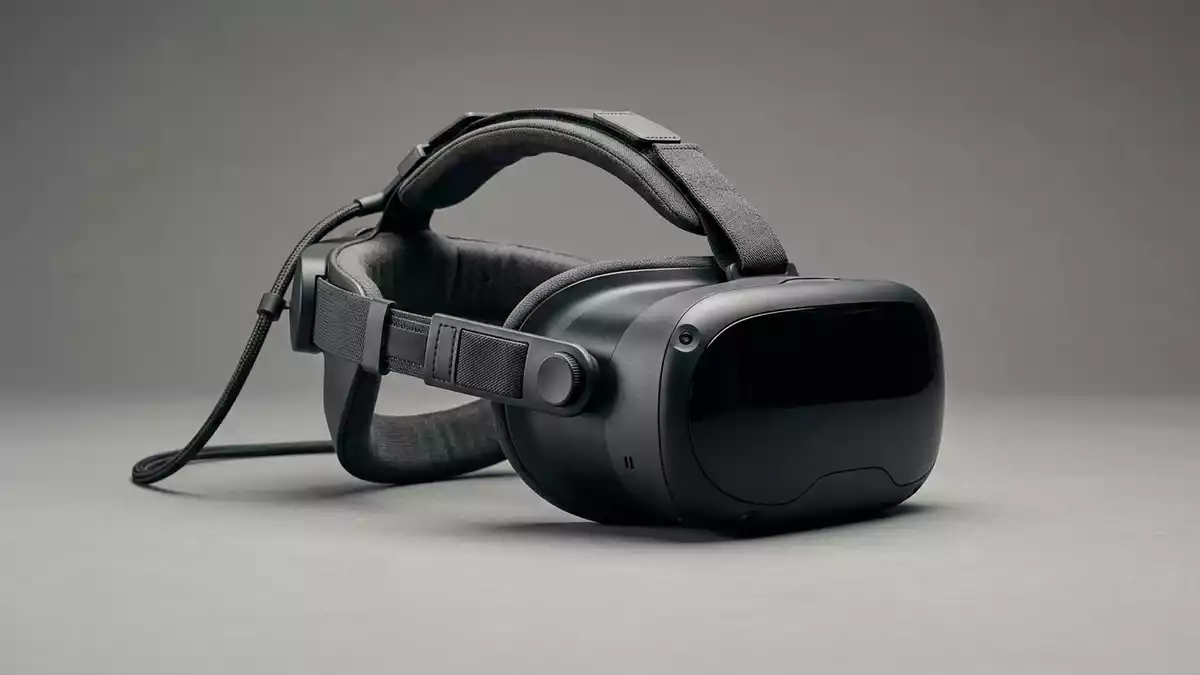
Pimax Crystal Super VR-Headset targets PCVR users who want very high resolution and a wide field of view in demanding flight, racing and simulation titles. The Crystal Super optical engine pushes up to 3840 x 3840 pixels per eye with dynamic eye tracking, aiming at a noticeably sharper image than earlier Crystal models.
Display And Optics Focus On Clarity
The Crystal Super optical engine uses a QLED plus Mini-LED display with local dimming and a quoted 3840 x 3840 resolution per eye, paired with glass aspheric lenses that concentrate image sharpness in a large sweet spot.3840 x 3840 resolution per eye Pixel density reaches 50 or 57 pixels per degree depending on configuration, positioning the Crystal Super optical engine above the 35 PPD figure of the original Crystal in sheer detail potential.50-57 pixels per degree specification
Field of view is a central promise for this headset, with the Crystal Super Ultrawide optical engine specified at 140 degrees horizontal FOV in its widest configuration, plus other modes at 127 degrees and 116 degrees where users prioritize pixel density or different display modules.140-degree horizontal FOV figure Refresh rates are listed at 72 Hz and 90 Hz for the Crystal Super optical engine, matching what current PC hardware can drive comfortably in complex VR scenes.72 Hz and 90 Hz refresh rates
Tracking, Eye Tracking And PCVR Use
Pimax positions the Crystal Super family as a PCVR-first headset line, using 6DoF inside-out tracking with multiple cameras plus optional Lighthouse compatibility via a dedicated faceplate where buyers want to pair the system with external SteamVR base stations.6DoF inside-out and Lighthouse compatibility The Crystal Super optical engine integrates Tobii-based dynamic eye tracking, which supports automatically adjustable interpupillary distance between 58 mm and 72 mm and enables dynamic foveated rendering to concentrate rendering resolution in the area the user is looking at.Dynamic eye tracking and 58-72 mm IPD
For PCVR use, a Crystal-series headset connects over DisplayPort 1.4 and USB, and Pimax highlights compatibility with platforms such as SteamVR and content from the Pimax Store, assuming a modern gaming PC with a contemporary graphics card and plenty of CPU headroom to drive the high resolution panels.PC hardware guidance for Crystal PCVR use That makes the Crystal Super VR-Headset best suited to enthusiasts prepared to tune graphics settings for flight simulators, racing sims and other detailed applications where its pixel density provides the most visible benefit.
Crystal Super Optical Engine Details
Pimax provides full specifications and configuration options for the Crystal Super Ultrawide optical engine, including resolution, field of view and refresh rate settings.
Price Positioning And Comparison With Crystal OG And Light
Within Pimax's Crystal series, the Crystal Super is priced at $1,799 in official comparison tables, between the $1,599 Crystal OG and the $899 Crystal Light PCVR headset.$1,799 Crystal Super price point The Crystal Super Ultrawide optical engine itself is listed at $599 as a standalone optical engine module, reflecting its role as an upgrade or configuration for Crystal-series hardware rather than a separate headset shell.$599 optical engine pricing
Compared with the Crystal Light, which retains a 2880 x 2880 per-eye QLED plus Mini-LED display and 35 PPD at a lighter 815 g headset weight, the Crystal Super pushes resolution and pixels-per-degree higher and adds dynamic eye tracking, while its price premium reflects that positioning.2880 x 2880 per eye and 815 g Crystal Light specs Against Crystal OG, Crystal Super trades the heavier wireless-focused design for a lighter, comfort-optimized profile in the comparison chart, while also raising detail levels through its optical engine configuration.Comfort and weight positioning in Crystal series
Use Cases And Limits For US PCVR Enthusiasts
In practice, the Pimax Crystal Super VR-Headset appeals most to sim racers, flight sim pilots and other PCVR users who can pair a Crystal-series headset with a strong gaming PC and value the combination of 3840 x 3840 per-eye resolution and up to 140-degree horizontal field of view over lighter, simpler headsets.High-end VR visuals context for Crystal series Dynamic eye tracking with automatically adjustable IPD and foveated rendering adds another layer of appeal for buyers who appreciate technical features that can extract more performance from a GPU by concentrating rendering power in the user's line of sight.Dynamic foveated rendering feature
The limits of the Crystal Super VR-Headset mainly center on system requirements and complexity, because driving 3840 x 3840 per eye at 72-90 Hz with wide FOV demands a powerful GPU, and users need to manage cabling, software and per-title settings more carefully than with lower resolution VR systems.PC hardware requirement information For US readers, the premium price positioning at around $1,799 for Crystal Super compared with $899 for Crystal Light means the headset line will likely appeal to enthusiasts and professionals rather than casual newcomers looking for an affordable VR introduction.$899 versus $1,799 Crystal series pricing
Key Facts At A Glance
- Product: Pimax Crystal Super VR-Headset with Ultrawide optical engine
- Manufacturer: Pimax Technology (Shenzhen) Co., Ltd. sales entity for Crystal series
- Category: PCVR headset with high-resolution QLED + Mini-LED display
- Resolution per eye: 3840 x 3840 pixels with QLED + Mini-LED local dimming
- Pixels per degree: 50 or 57 PPD depending on Crystal Super optical engine configuration
- Field of view: Up to 140 degrees horizontal FOV on the Ultrawide optical engine
- Refresh rates: 72 Hz and 90 Hz supported on Crystal Super optical engine
- Price: $1,799 Crystal Super headset comparison price, $599 Ultrawide optical engine module (as of 09/17/2026)
- Target audience: Enthusiast PCVR sim racers, flight sim pilots and display-focused VR users


