
DJI Mini 4 Pro (DJI RC-N2) Camera Drone - 4K/ 60fps HDR And Under 249 g
Published on 09/14/2026 at 08:25 | Editorial responsibility: Rafael Müller, Editor-in-Chief AD HOC NEWS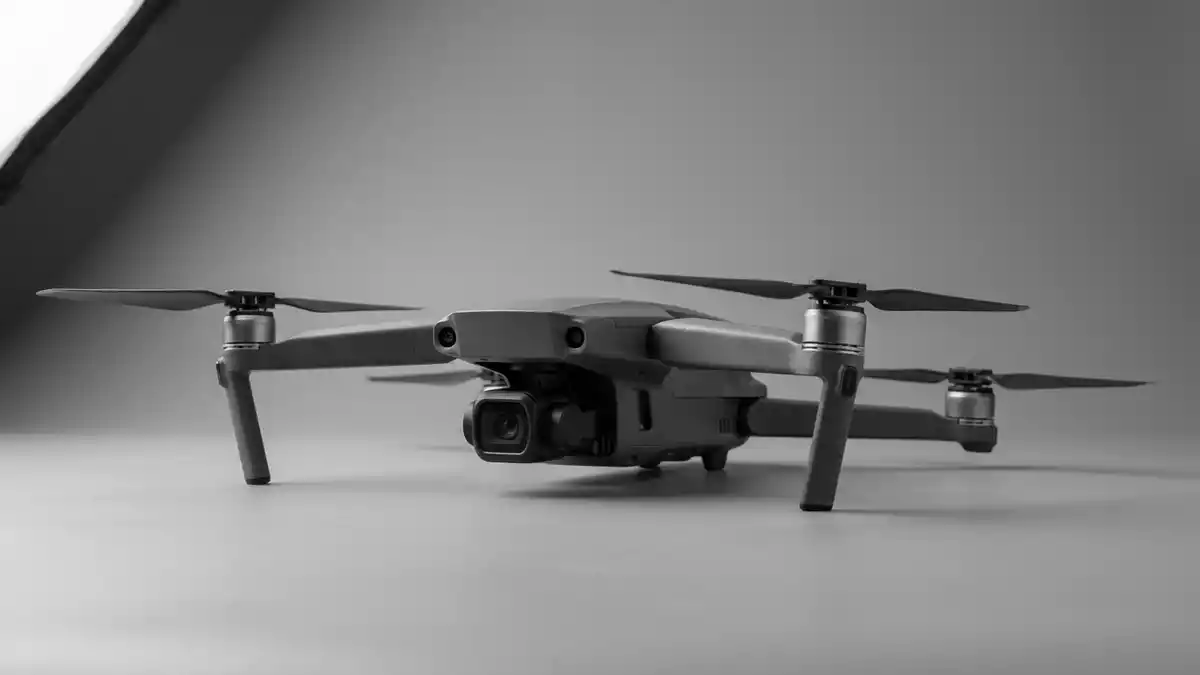
DJI Mini 4 Pro (DJI RC-N2) brings a 4K HDR camera drone with a takeoff weight under 249 g into reach for U.S. pilots who want serious aerial footage without hauling a heavy rig. Paired with the RC-N2 remote controller and a smartphone running the DJI Fly app, this compact quadcopter folds down small enough to slide into a daypack while still offering up to 34 minutes of flight time with the standard Intelligent Flight Battery.
Key Specs Of The Mini 4 Pro RC-N2 Kit
In the RC-N2 configuration, the DJI Mini 4 Pro combines the aircraft, a camera gimbal and the phone-based controller setup that many pilots already know from earlier Mini models. According to the official DJI specifications page, the aircrafts standard takeoff weight is less than 249 g with the Intelligent Flight Battery, propellers and a microSD card installed, which keeps it below the common 250 g threshold used in many regulations.
The same specifications sheet lists a folded size of 148×94×64 mm and an unfolded footprint of 298×373×101 mm with propellers attached, making it a genuinely compact airframe when stored yet wide enough to provide stable flight when deployed. With the included Intelligent Flight Battery, DJI rates maximum flight time at 34 minutes in ideal conditions, while a separate Intelligent Flight Battery Plus can extend that figure to 45 minutes for users in regions where that pack is sold. The max horizontal speed is specified at 16 m/s in the performance section, with Normal and Cine modes capped at 12 m/s for smoother control.
For the camera system, DJI uses a 1/1.3-inch CMOS sensor with 48 MP effective resolution, coupled to a fixed 24 mm equivalent lens with an f/1.7 aperture and an 82.1° field of view, as detailed in the English user manual. That camera can record up to 4K video at 60 fps in HDR and up to 4K at 100 fps for slow motion, with a maximum video bitrate of 150 Mb/s and support for both H.264 and H.265 compression.
Flight Performance And Safety Features
Beyond headline specs, the Mini 4 Pro aims to give pilots stable handling and a suite of safety assists. The aircraft uses a combination of GPS, Galileo and BeiDou satellite positioning, as documented in the Mini 4 Pro technical sheet reproduced by DJI flight specification PDFs, to maintain position and return-to-home accuracy. The same document cites a maximum service ceiling of 4,000 m above sea level using the standard Intelligent Flight Battery, along with a maximum flight distance of 18 km in controlled testing at a constant speed.
Obstacle sensing is one of the major upgrades over earlier compact drones. The Mini 4 Pro incorporates omnidirectional obstacle sensing and APAS 360° processing, with forward, backward, downward and lateral vision sensors, a configuration described in reviews such as Android Polices Mini 4 Pro review. In practice, that setup allows automated flight modes like ActiveTrack and Point of Interest to steer the drone around obstacles while following or orbiting a subject, something that previously required stepping up to larger, more expensive models.
The aircrafts operating temperature range runs from -10 °C to 40 °C (14 °F to 104 °F) per the user manual, and the maximum wind resistance is specified at 10.7 m/s, which corresponds to roughly 24 mph gusts. These figures place the Mini 4 Pro squarely in the typical range for consumer camera drones, but the low weight means pilots should still be cautious about flying in stronger winds even if the spec sheet indicates the aircraft can handle them.
Camera Output And Shooting Modes
While the Mini 4 Pros sensor size matches the 1/1.3-inch format used in the Mini 3 Pro, the processing pipeline and shooting options have been expanded. According to a detailed spec roundup on PickDrones, the drone can shoot stills at up to 48 MP resolution (8064×6048 pixels) and supports both JPEG and DNG RAW formats for photographers who prefer to work with higher dynamic range in post-production.
On the video side, the same overview notes that 4K recording is available up to 60 fps in HDR and 100 fps for slow motion, while 1080p recording can reach 200 fps for ultra-slow-motion clips. Color profiles include a standard 8-bit profile, HDR profiles such as HLG, and the 10-bit D-Log M profile aimed at editors who want more flexibility when grading footage. For social media creators, the Mini 4 Pro also offers a true vertical shooting mode that rotates the gimbal to capture 4:5 or 9:16 aspect ratios without cropping, as highlighted on DJIs product page.
The integrated gimbal provides three-axis stabilization across pitch, roll and yaw, and the camera supports digital zoom in certain modes, up to 4x according to technical listings on Wikipedia. Internally, the drone offers 2 GB of storage for emergencies, but DJI still recommends using a high-speed microSD card for regular recording, especially when shooting at the higher bitrate settings.
Official DJI Mini 4 Pro Details
For complete specifications, supported accessories and firmware notes on DJI Mini 4 Pro, DJI maintains a dedicated product page with up to date information.
Controller And Connectivity
In the RC-N2 bundle, the Mini 4 Pro ships with the RC-N2 remote controller rather than the screen-equipped RC 2. As a review in PCMag notes, the RC-N2 relies on a connected smartphone or tablet running the DJI Fly app to provide the live view and on-screen controls, which may suit pilots who prefer to use their own displays and save on the cost of a dedicated screen controller.
The Mini 4 Pro uses DJI O4 transmission for radio control and live video, offering a quoted maximum range of up to 20 km under FCC conditions in open areas, according to both DJI specifications and independent breakdowns like the PickDrones spec sheet. The live video feed runs at up to 1080p resolution to the controller device, and the system supports automatic frequency hopping to maintain signal quality in congested environments.
DJI lists compatibility with both Android and iOS devices for the DJI Fly app, and the RC-N2 controller retains physical control sticks, a gimbal wheel and customizable buttons for common functions such as recentering the gimbal or toggling between flight modes. For U.S. buyers, DJI sells the Mini 4 Pro (DJI RC-N2) configuration directly, and a listing on the DJI USA online store shows the RC-N2 bundle as one of several packages, with sale prices listed alongside original MSRPs.
Price Positioning And Alternatives
On pricing, DJI positions the Mini 4 Pro RC-N2 bundle below the models that include the RC 2 controller or Fly More Combo accessories. The DJI USA listing indicates a list price of $759 for certain Mini 4 Pro configurations and a lower sale price of $645 for the Mini 4 Pro (DJI RC-N2) package when it has been in stock, providing a reference point within the broader DJI lineup. From a U.S. retail perspective, specialty electronics chains have stocked Mini 4 Pro bundles at higher prices when bundled with extra batteries, charging hubs and carrying cases.
Compared with staying on an older Mini 3 Pro, the most concrete difference is in the omnidirectional obstacle sensing. The Mini 3 Pro relied primarily on forward, backward and downward sensors, while the Mini 4 Pro adds lateral coverage together with the O4 transmission system and improved subject tracking modes, as summarized in reviews on outlets like Android Police and Digital Camera World. The flight time with the standard battery remains in the same 34 minute range on both models, but the combination of wider obstacle sensing and the new vertical video mode makes the newer drone more attractive to creators who film in busy environments.
Within DJI’s current lineup, pilots who want longer flight times and higher wind resistance can still step up to larger models, but those drones weigh well over 249 g and often cost several hundred dollars more when similarly equipped. That leaves the Mini 4 Pro RC-N2 kit in a niche where its sub-249 g weight and relatively compact folded dimensions matter most to buyers who value portability, lower regulatory friction and a lower entry price compared with larger airframes.
Use Cases And Limits
For U.S. users, the DJI Mini 4 Pro (DJI RC-N2) package lines up well with casual to intermediate aerial photographers, travel vloggers and real estate shooters who want a folding drone with a strong spec sheet in a backpack-friendly form. The combination of a 1/1.3-inch, 48 MP sensor, 4K/60fps HDR recording and omnidirectional obstacle sensing gives it capabilities that not long ago required moving to heavier drones with more complex controllers.
At the same time, the RC-N2 bundle means pilots rely on their phones or tablets as displays, so anyone who prefers an all-in-one controller with a built-in screen may gravitate toward the Mini 4 Pro configurations that ship with the RC 2 instead. Flight time figures such as the rated 34 minutes assume calm conditions and conservative flying, so operators who frequently fly in stronger winds or who shoot longer sessions will still want spare batteries.
Key Facts At A Glance
- Product: DJI Mini 4 Pro (DJI RC-N2) camera drone
- Manufacturer: DJI, Shenzhen, China (North America support based in California)
- Category: Camera drone (sub-249 g)
- Model designation: Mini 4 Pro aircraft with RC-N2 remote controller
- Takeoff weight: < 249 g with Intelligent Flight Battery and propellers
- Dimensions (folded): 148×94×64 mm (L×W×H)
- Flight time: 34 minutes with Intelligent Flight Battery
- Camera sensor: 1/1.3-inch CMOS, 48 MP effective resolution
- Video resolution: Up to 4K/60fps HDR, 4K/100fps slow motion
- Price: $645.00 for the RC-N2 bundle when on sale (as of 09/14/2026)
- Target audience: Hobbyist and enthusiast drone pilots seeking a portable 4K camera drone under 249 g


