

Yala National Park reopens two zones on 16 October
Published on 10/18/2026 at 03:48 | Editorial responsibility: Rafael Müller, Editor-in-Chief AD HOC NEWS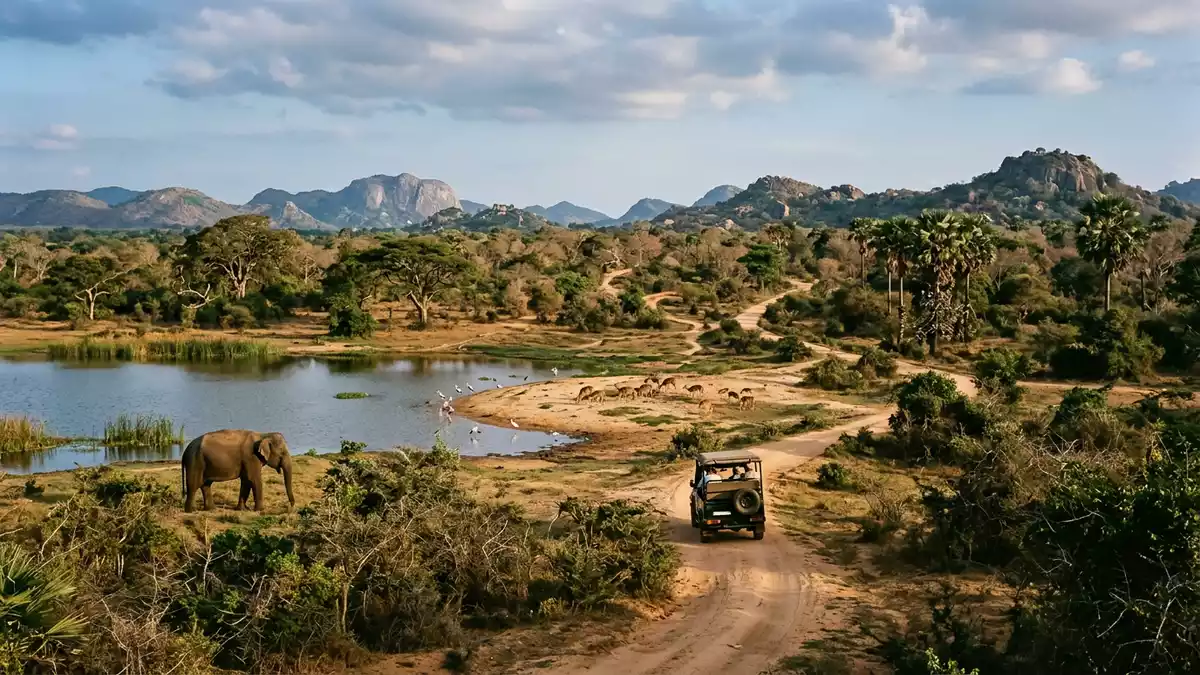
A reopening at Yala National Park in Sri Lanka returned Zones 1 and 2 to tourists on 16 October 2026, giving visitors in the Tissamaharama area access after a month-long drought closure. The Department of Wildlife Conservation also announced a later return for tourist bungalows and campsites inside the park.
Yala National Park reopening restores access on 16 October
Zones 1 and 2 had been closed from 14 September to 15 October 2026 because of severe dry weather. The closure was intended to protect wildlife while authorities carried out repairs and maintenance on the park road network.
The Department of Wildlife Conservation confirmed that visitors could return to the affected zones on 16 October 2026. The reopening is a change in access for the safari areas rather than a reopening of every visitor facility. the reopening announcement records both the date and the park zones concerned.
According to the Daily FT, the park keeper said tourist bungalows and campsites would reopen from 1 November 2026. That creates a two-stage return: safari access resumed on 16 October 2026, while overnight facilities are scheduled to follow on 1 November 2026. The later date matters for travellers planning to stay inside the protected area rather than in Tissamaharama.
Dry-zone landscape shaped the Yala access change
Yala National Park lies in south-eastern Sri Lanka, where dry forests, open grassland, lagoons, rocky ground and coastal habitats form a large protected landscape. The park is managed by the Department of Wildlife Conservation and was established as a national park in 1938.
The affected zones are part of the visitor areas used for wildlife drives. Their closure therefore changed access to a core safari experience, not simply to a remote side facility. The reopening date links the practical visitor change to the end of the drought-related restriction, while the road repairs explain why the closure also affected the park infrastructure. Background information on the park records its 1938 establishment and protected area.
Yala is associated with Sri Lankan leopards, elephants, crocodiles and a wide range of birdlife. Its habitats include freshwater wetlands and lagoons as well as scrub and grassland, so dry-season conditions can affect both wildlife management and the routes available to visitors.
Visiting Yala National Park: what travellers from Western Europe should know
- Zones 1 and 2 reopened to tourists on 16 October 2026 after the closure from 14 September to 15 October 2026.
- Daytime safari access returned on 16 October 2026, but tourist bungalows and campsites inside the park are scheduled to reopen from 1 November 2026.
- The park is in south-eastern Sri Lanka, with Tissamaharama serving as the nearby reference town for visitors heading towards the safari entrances.
- The landscape includes dry forest, scrub, grassland, lagoons, wetlands and coastal ground, so visits take place across varied natural terrain rather than within a built attraction.
- Sinhala and Tamil are Sri Lanka's official languages, and the national currency is the Sri Lankan rupee.
- Entry requirements depend on your nationality; UK travellers can check the FCDO travel advice at gov.uk/foreign-travel-advice, Irish travellers the Department of Foreign Affairs at ireland.ie.
Searching for Yala National Park on social platforms
These links open searches for Yala National Park on each platform.
Frequently asked questions about Yala National Park
When did the Yala National Park reopening take place?
Zones 1 and 2 reopened to tourists on 16 October 2026 after a closure linked to severe dry weather.
What has changed at Yala National Park?
Safari access to Zones 1 and 2 resumed on 16 October 2026, while bungalows and campsites are scheduled to reopen from 1 November 2026.
Where is Yala National Park and how do you get there?
The park is in south-eastern Sri Lanka, and Tissamaharama is the nearby reference town for visitors travelling to its safari entrances.


