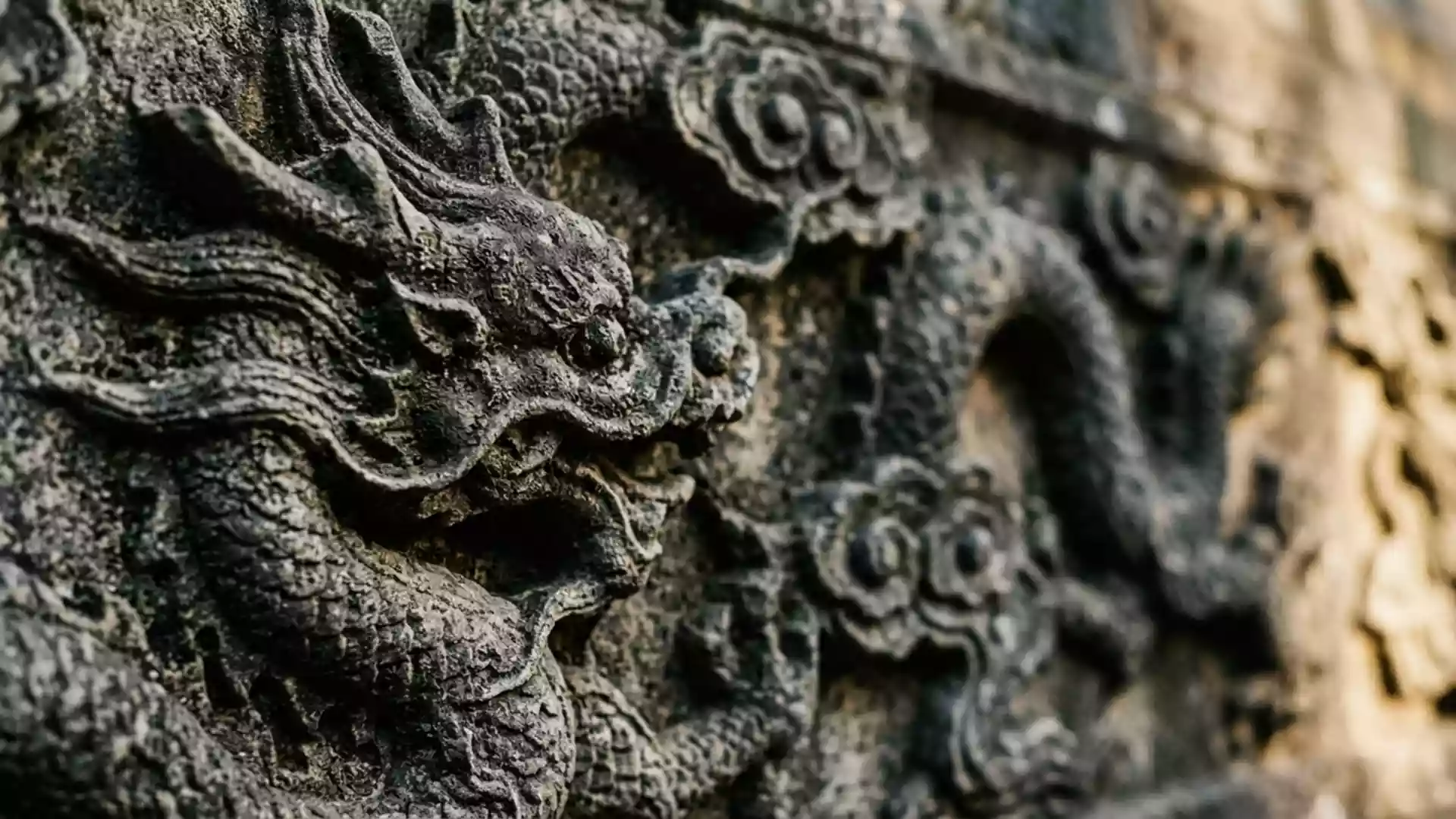
Wudang Shan’s Taoist peaks and palaces above Shiyan
Published on 09/11/2026 at 16:23 | Editorial responsibility: Rafael Müller, Editor-in-Chief AD HOC NEWS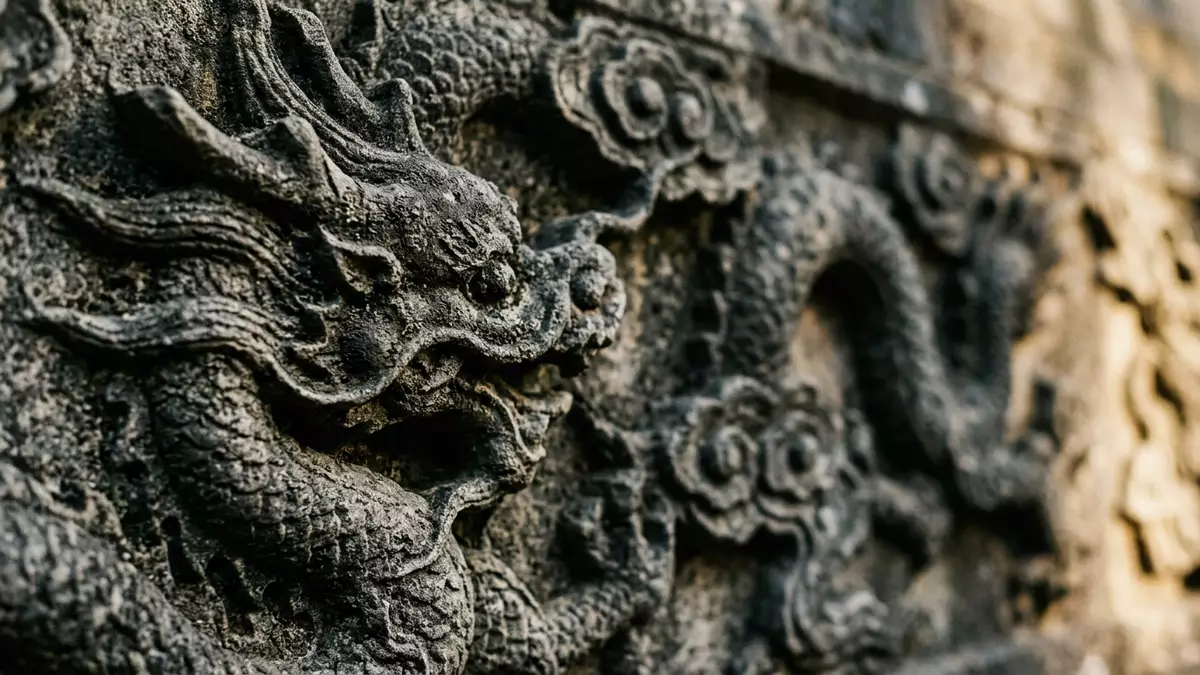
High above the prefecture-level city of Shiyan in Hubei Province, Wudang Shan forms a mountain range where Taoist temples and palaces rise along forested ridges and steep slopes. Within this landscape, stone steps, tiled roofs and cliffside halls trace a long history of religious life that reaches back more than a millennium.
The mountain range above Shiyan
Wudang Shan, also known as the Wudang Mountains, is a mountain range in the north-west of Hubei Province aligned along the southern side of the Han River, with its main scenic and architectural area lying inside Danjiangkou under the administration of Shiyan City.mountain range in Hubei On Chinese maps the name “Wudangshan” refers both to the wider east–west range and to the specific group of peaks that carry the temple complexes, and travellers encounter both senses in local usage.group of peaks with temples
The mountains rise near Shiyan and form a narrow spine of peaks and ridges where forested slopes are cut by ravines and gullies. Within this spine, the core scenic zone concentrates temples and palaces amongst valleys and densely vegetated slopes, creating a layered landscape in which built structures and wooded terrain continually interlock.spine of peaks and scenic area
A Taoist sacred landscape and UNESCO site
Wudang Shan is recognised as a major Taoist sacred landscape, and its palaces and temples form the Ancient Building Complex in the Wudang Mountains, a cultural site inscribed on the UNESCO World Heritage List in 1994.Ancient Building Complex in the Wudang Mountains The complex was organised as a planned ensemble during the Ming dynasty, in the period from the fourteenth to the seventeenth centuries, and it contains Taoist buildings whose origins reach back to the seventh century.Ming dynasty complex with earlier temples
Within the UNESCO area, surviving structures include the stone-walled Forbidden City completed in 1419 and shrines such as the Golden Shrine and the Ancient Bronze Shrine, prefabricated bronze halls made in 1307 and set on the heights of the range.Forbidden City and bronze shrines Purple Heaven Palace, which occupies a prominent position on the slopes, was first built in the twelfth century, rebuilt in the fifteenth century and extended in the nineteenth century, and it remains one of the principal Taoist temples at Wudang Shan.Purple Heaven Palace
Temples, palaces and martial arts on the peaks
Across the main scenic area, palaces, monasteries, nunneries and temples occupy ridgelines, slopes and cliff edges, forming a dense network of religious buildings connected by paved paths and stairways.palaces, monasteries and temples Many of the surviving halls date from the fourteenth to sixteenth centuries, when emperors of the Ming dynasty supported Taoism and funded major construction projects at Wudang Shan.Ming-period building campaigns
Individual sites within the range illustrate this history and the way architecture and terrain meet. The Golden Summit, the highest and most sacred point on Wudang Mountain, holds the Bronze Hall and a statue of Zhen Wu, the Taoist deity associated with the mountain.Golden Summit and Bronze Hall Nan Yan Gong, or South Cliff Temple, is built directly into the cliff face, with sections of the structure projecting over a precipice, while Zi Xiao Gong, the Purple Cloud Palace, is the largest surviving temple complex on Wudang Mountain and serves as an administrative centre for the Taoist community.Nan Yan Gong and Purple Cloud Palace
Wudang Shan is also known as the birthplace of Wudang martial arts, especially Taijiquan, which is associated with the legendary figure Zhang Sanfeng during the Northern Song dynasty.birthplace of Wudang martial arts Within the mountain area, schools and academies teach Wudang Kung Fu and related internal martial arts, continuing a tradition that ties physical practice to the Taoist setting of the range.cradle of Wudang Kung Fu
Visiting Wudang Shan: what travellers from Western Europe should know
- Wudang Shan lies within Danjiangkou under the administration of Shiyan City in the north-west of Hubei Province, and the main scenic area is approached along mountain roads from the surrounding lowlands.
- Paths and stairways between the temples include long flights of steps, and reaching the higher complexes involves sustained climbing along stone routes on the mountain slopes.
- The official language is Chinese and the currency is the renminbi.
- Entry requirements depend on your nationality; UK travellers can check the FCDO travel advice at gov.uk/foreign-travel-advice, Irish travellers the Department of Foreign Affairs at ireland.ie.
Searching for Wudang Shan on social platforms
These links open searches for Wudang Shan on each platform.
Frequently asked questions about Wudang Shan
Where is Wudang Shan located?
Wudang Shan is a mountain range in the north-west of Hubei Province, with its main scenic and architectural area inside Danjiangkou under the administration of Shiyan City.
What should visitors expect during a visit?
Visitors encounter Taoist temples, palaces and stairways arranged along mountain ridges and slopes, with extended climbs on stone steps linking the different complexes.
What makes Wudang Shan distinctive among Chinese mountain landscapes?
Wudang Shan combines a long Ming-dynasty temple complex, earlier Taoist sites, UNESCO World Heritage status and its role as the birthplace of Wudang martial arts within one mountain range.