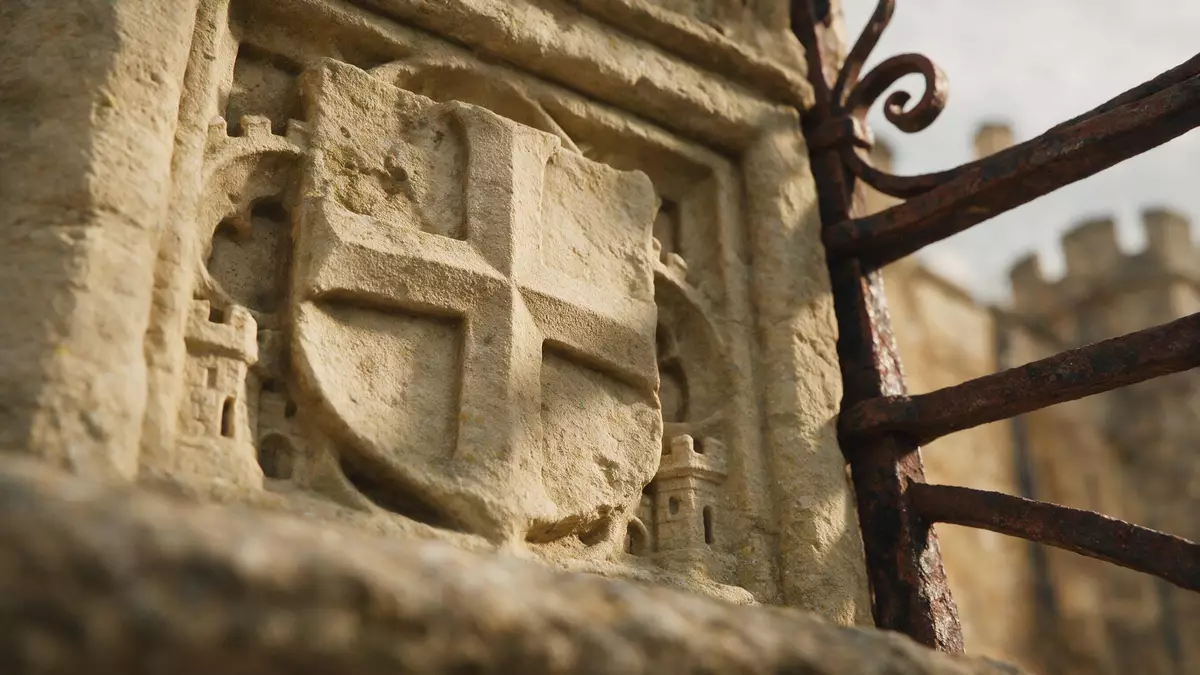
Windsor Castle and its layered stone skyline
Published on 08/10/2026 at 15:07 | Editorial responsibility: Rafael Müller, Editor-in-Chief AD HOC NEWS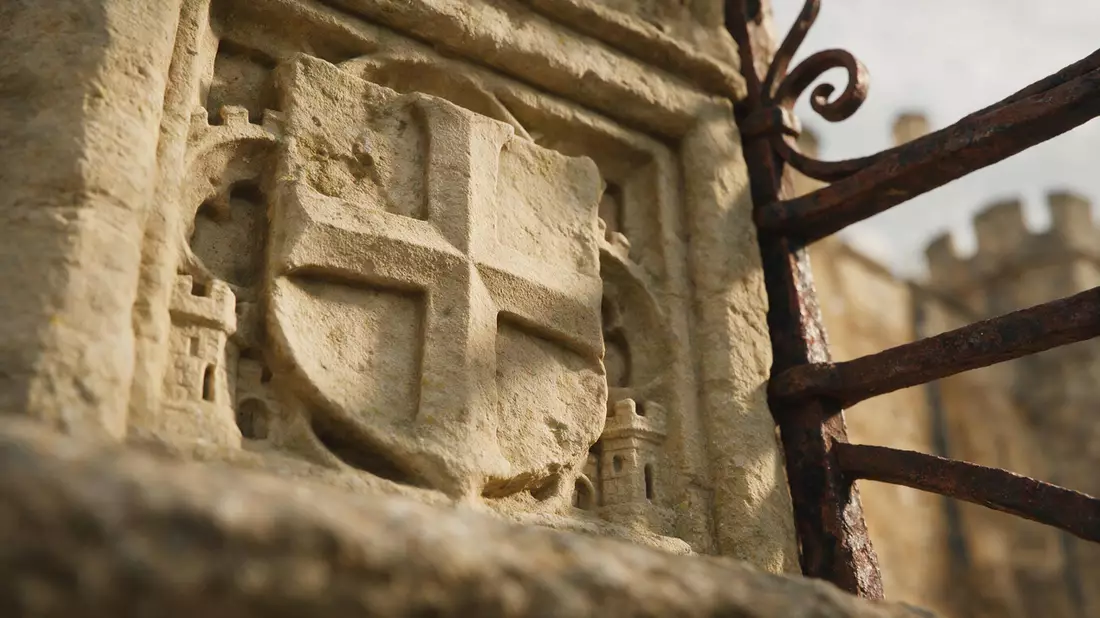
Windsor Castle rises above Windsor as a broad royal complex of towers, courtyards and walls in Berkshire. Begun after the Norman Conquest under William the Conqueror, it has grown into one of the most recognisable state residences in the United Kingdom.
A Norman fortress turned royal residence
The hilltop setting still carries the logic of an early fortress, with strong curtain walls and a commanding approach. The castle’s plan spreads across the high ground rather than gathering around a single block, and that layered form gives it a distinctive profile above the town.
Different periods are visible in the masonry. Medieval stonework sits beside later Georgian and Victorian additions, while the whole site remains closely associated with the Crown and ceremonial life.
St George’s Chapel and the Lower Ward
St George’s Chapel is one of the castle’s defining buildings, with late Gothic detail and a long royal association. The Lower Ward brings together chapel, lodgings and service buildings, creating a more enclosed setting than the outer approaches.
Inside the castle, the sequence of spaces changes from defensive perimeter to more formal rooms and chapels. That contrast between military outline and ceremonial interior is one of its most striking features.
Stone, towers and royal rooms
The architecture is varied rather than uniform. Round and square towers interrupt the walls, and the principal buildings range from medieval fragments to later state apartments with richly decorated interiors.
Among the best-known spaces are the State Apartments, used for official occasions and display. The result is a place where architecture and monarchy remain visibly joined, with each major part carrying a different layer of use.
Visiting Windsor Castle: what travellers from Western Europe should know
- The castle is reached in Windsor by rail and road from London, and it sits within easy reach of Heathrow Airport.
- Admission arrangements and opening hours are set by the site's operator and change with the season; the official website is the only binding source.
- Spring and summer bring longer daylight for exploring the grounds and chapel precincts.
- The castle involves steps, uneven surfaces and a substantial amount of walking across the wards.
- Card payment is widely used in the surrounding town, and English is the working language on site.
- Entry requirements depend on your nationality. UK travellers should check the FCDO travel advice at gov.uk/foreign-travel-advice; Irish travellers the Department of Foreign Affairs at ireland.ie; EU and EEA citizens their own national foreign ministry.
Searching for Windsor Castle on social platforms
These links open searches for Windsor Castle on each platform.
Frequently asked questions about Windsor Castle
Where is Windsor Castle?
It stands in Windsor, west of London, on a raised site above the River Thames valley. The castle dominates the town centre and the surrounding streets.
What should visitors expect?
Expect a large historic complex with masonry, chapels, formal rooms and significant walking between sections. The experience mixes medieval structure with later royal interiors.
What makes it distinctive?
Its long history, royal function and layered architecture set it apart as both fortress and residence. St George’s Chapel and the State Apartments give it a particularly strong ceremonial character.