
White Desert’s sculpted chalk landscapes near Farafra
Published on 09/14/2026 at 11:14 | Editorial responsibility: Rafael Müller, Editor-in-Chief AD HOC NEWS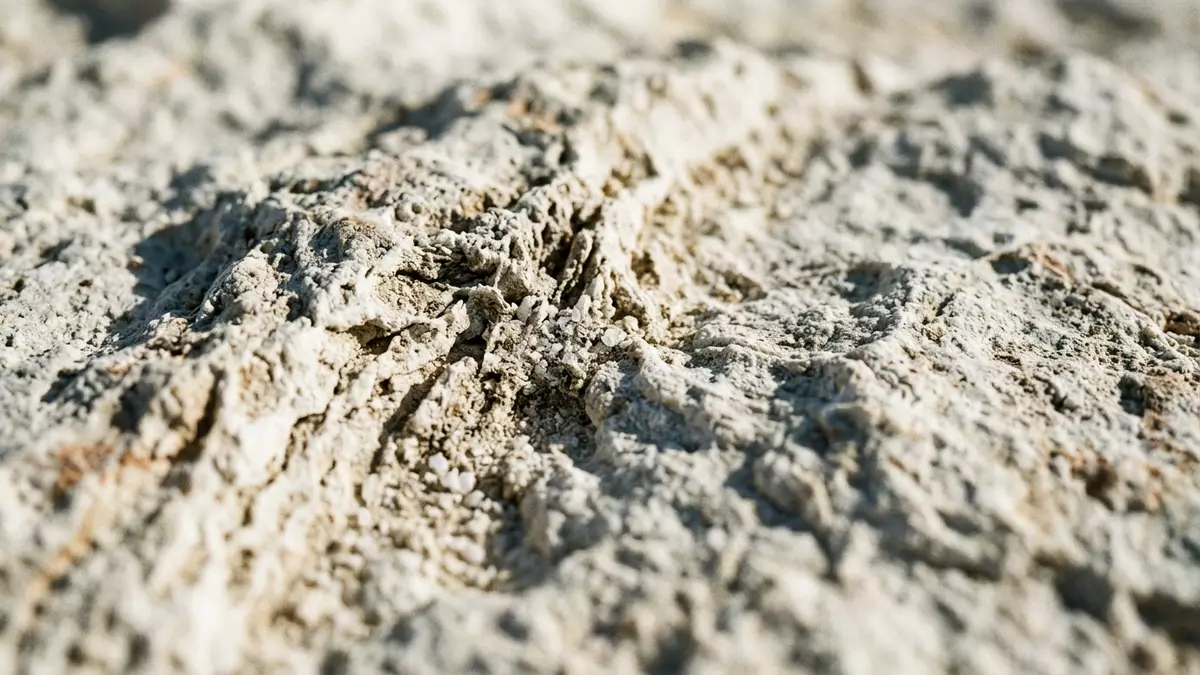
White Desert near Farafra in Egypt’s Western Desert is a protected chalk landscape where pale rock forms rise from desert sands in a broad basin. Set within the Farafra depression in the New Valley Governorate and safeguarded as a national park since 2002, it brings geology and desert scenery together in a way that feels both stark and intricate.
Chalk sculptures in the Farafra depression
White Desert sits in the northern part of the Farafra depression, a desert basin between the oases of Bahariya and Farafra in Egypt’s Western Desert. The protected area lies north of the town of Qasr Al Farafra, with desert terrain and chalk plateaux extending on both sides of the highway through the oasis region.Farafra depression The core zone of White Desert National Park covers about 300 km² (around 120 square miles) of chalk and limestone ground, giving the landscape a pale backdrop that contrasts with surrounding areas of darker sand.covers an area of 300 km²
The desert floor here is dominated by chalk units that stand above the sand as isolated blocks, columns and irregular masses. Much of this rock belongs to the Khoman Chalk, a snow-white formation of Late Cretaceous age that records the presence of an ancient sea in this part of the Sahara.Khoman Chalk Wind and occasional sandstorms have eroded the chalk into towers, pinnacles and squat blocks, many of which resemble mushrooms, animals or abstract sculptures when seen against the low horizon.massive chalk rock formations
A national park shaped by chalk and sand
White Desert was declared a protected area under Egyptian law in 2002, through a prime ministerial decree that added it to the country’s network of nature reserves. In international conservation systems it is classified as a national park reserve, reflecting both its geological significance and its desert ecology.declared as a natural reserve in 2002 Within the protected area chalk and limestone units are scattered across the basin, some forming low plateaux, others rising as isolated stacks that mark changes in the underlying rock.
Elevation in the park ranges from just over 30 m above sea level to more than 350 m, a relief that is gentle in profile yet sufficient to create terraces and shallow slopes across the desert floor.between 32 m and 353 m In some areas chalk blocks stand densely together, forming a kind of open-air field of low sculptures; elsewhere individual columns rise from flatter sand plains and can be seen in isolation against the sky. The pale colour of the chalk, ranging from snow-white to cream, gives the whole scene a distinct tone that sets it apart from the browner dunes of the nearby Great Sand Sea.snow-white to cream
Farafra Oasis and desert wildlife
White Desert forms part of the wider Farafra Oasis region, where scattered settlements and small cultivated plots follow lines of groundwater and springs. Within the park, low desert shrubs and patches of vegetation find footholds in depressions between chalk blocks and in places where finer sediments have accumulated. Beyond the chalk fields, the protected area extends to parts of the surrounding sand plains, tying the stark white surfaces to a broader mosaic of Western Desert habitats.White Desert Protected Area
Gazelles, desert foxes and other mammals move across this terrain, and traces of their presence can be found in footprints and resting places around the chalk formations. Birds cross the basin on desert flight paths, using isolated blocks and low cliffs as vantage points. Together the chalk, the sands and the wildlife form a reserve that links geological history with present-day desert life in a clearly defined protected area north of Farafra.protected chalk landscape
Visiting White Desert: what travellers from Western Europe should know
- White Desert lies north of Qasr Al Farafra in Egypt’s Western Desert, and the main access route runs along the highway between Farafra and Bahariya through the oasis region.
- The terrain within the park is desert ground with chalk blocks, low slopes and sandy surfaces, and some areas are reached along unpaved tracks where vehicle clearance matters more than speed.
- The wider Farafra Oasis region sits in the New Valley Governorate of Egypt; the official language is Arabic and the currency is the Egyptian pound.
- Entry requirements depend on your nationality; UK travellers can check the FCDO travel advice at gov.uk/foreign-travel-advice, Irish travellers the Department of Foreign Affairs at ireland.ie.
Searching for White Desert on social platforms
These links open searches for White Desert on each platform.
Frequently asked questions about White Desert
Where is White Desert located?
White Desert is in Egypt’s Western Desert, in the northern part of the Farafra depression north of Qasr Al Farafra, within the New Valley Governorate.
What should visitors expect on a visit to White Desert?
Visitors encounter broad desert ground where white and cream chalk formations rise from sandy surfaces, with unpaved tracks crossing the protected area.
What makes White Desert distinctive among desert landscapes?
The concentration of Late Cretaceous chalk blocks, their snow-white colour and their wind-carved shapes together give White Desert a sculpted character unusual in the Sahara.


