
White Desert’s chalk sculptures in Egypt’s Western Desert
Published on 09/12/2026 at 14:34 | Editorial responsibility: Rafael Müller, Editor-in-Chief AD HOC NEWS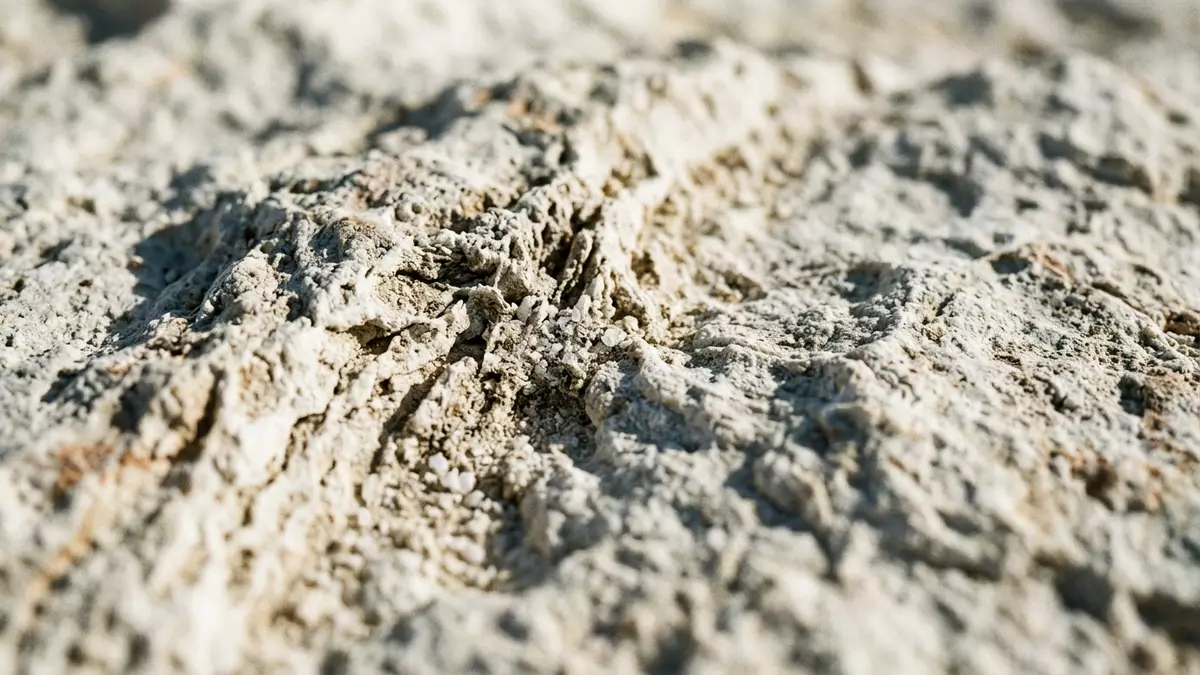
White Desert in Egypt’s Western Desert is a protected landscape of pale chalk and limestone where wind has carved the ground into sculptural forms near Farafra Oasis. The reserve was formally declared a natural protected area in 2002, giving legal status to a terrain shaped over geological time by desert winds and ancient seas.
Chalk towers in the Farafra depression
White Desert lies within the Farafra depression of the Sahara, north of the small town of Farafra in Egypt’s New Valley Governorate. The protected area is recognised as a national park reserve under international conservation classifications, reflecting its importance for geology and desert ecosystems.national park reserve The core of the landscape is a broad plain where the ground surface consists largely of snow?pale chalk, broken by freestanding rock figures.
These figures range from squat columns to slender towers, rising from the chalk floor in forms that recall animals, mushrooms or cups. In many places the chalk has been sculpted into textbook examples of ventifacts, rocks abraded and shaped by sand?laden winds.massive chalk rock formations The whiteness of the rock contrasts with the surrounding desert, giving the area its name and making the sculptures stand out sharply against brown sand and blue sky.
A protected desert park with ancient origins
White Desert is formally known as White Desert National Park, or Sahara el Beyda, and was established as a protected area in 2002 under Egyptian government decree.established as a protected area in 2002 The park lies roughly 570 km (350 mi) southwest of Cairo and covers an area of about 300 km² (120 mi²), stretching across part of the Farafra depression and into the Farafra Oasis itself.covers roughly 3,010 square kilometres Within the reserve, chalk plains alternate with low ridges, shallow basins and dune fields that mark the transition towards the Great Sand Sea.
The chalk and limestone which dominate White Desert are remnants of marine sediments, laid down when this part of Egypt formed the floor of an ancient sea. Later uplift and long erosion exposed these soft rocks at the surface, where desert winds eroded them into the shapes visible today.Funde am Boden weisen darauf hin, dass hier einst Meeresboden war Scattered among the rock forms are shallow hollows where springs support patches of vegetation, along with caves such as Jarrah Cave in Jabal al?Aqab al?West that add further geological interest within the reserve.Jarrah Cave inside Jabal Al-Aqab Al-West
Desert ecosystems and night skies
Although the chalk plains appear stark at first glance, White Desert supports desert?adapted plants and animals. The protected area provides habitat for species such as Rhim gazelle, Fennec fox and Barbary sheep, along with other small carnivores typical of Egypt’s Western Desert.Rhim gazelle, Fennec fox, and Barbary sheep Sparse shrubs and grasses cluster around natural springs, especially near oases such as Farafra and Ain El Maqfi, creating pockets of green within the pale landscape.Farafra Oasis, the Ain El Maqfi Oasis, and the Ain El Wadi Oasis
Far from major settlements, the park offers wide horizons and dark desert skies above the chalk formations once the sun has set. Campsites are set in zones among the rocks, and the pale ground reflects starlight and moonlight, revealing the outlines of the towers even after dusk. The combination of geology, wildlife and open desert makes White Desert a compact introduction to the wider Western Desert region of Egypt for travellers familiar with Nile valley landscapes.
Visiting White Desert: what travellers from Western Europe should know
- White Desert lies in Egypt’s New Valley Governorate, north of Farafra town; the reserve is reached by desert highways from Cairo via Bahariya Oasis and then by tracks leading into the park.
- The terrain consists of open desert plains dotted with chalk and limestone rock figures, with sections of soft sand and rough ground where travel relies on four?wheel?drive vehicles rather than standard cars.
- Springs and small oases, including Farafra Oasis, sit near the reserve and mark the main points where vegetation appears; away from these areas the ground is dry, exposed and lacking shade.
- The official language is Arabic and the currency is the Egyptian pound.
- Entry requirements depend on your nationality; UK travellers can check the FCDO travel advice at gov.uk/foreign-travel-advice, Irish travellers the Department of Foreign Affairs at ireland.ie.
Searching for White Desert on social platforms
These links open searches for White Desert on each platform.
Frequently asked questions about White Desert
Where is White Desert located in relation to Farafra?
White Desert lies in Egypt’s Western Desert within the Farafra depression, about 45 km (28 mi) north of the town of Qasr Al Farafra, in New Valley Governorate.
What should travellers expect when visiting White Desert?
Travellers encounter pale chalk plains dotted with freestanding rock formations, sections of soft sand and patches of vegetation around springs within a sparsely inhabited desert reserve.
What makes White Desert distinctive among Egypt’s desert landscapes?
The high concentration of white chalk and limestone sculptures, combined with its status as a protected national park in the Farafra depression, gives White Desert a character different from neighbouring sand?dominated deserts.


