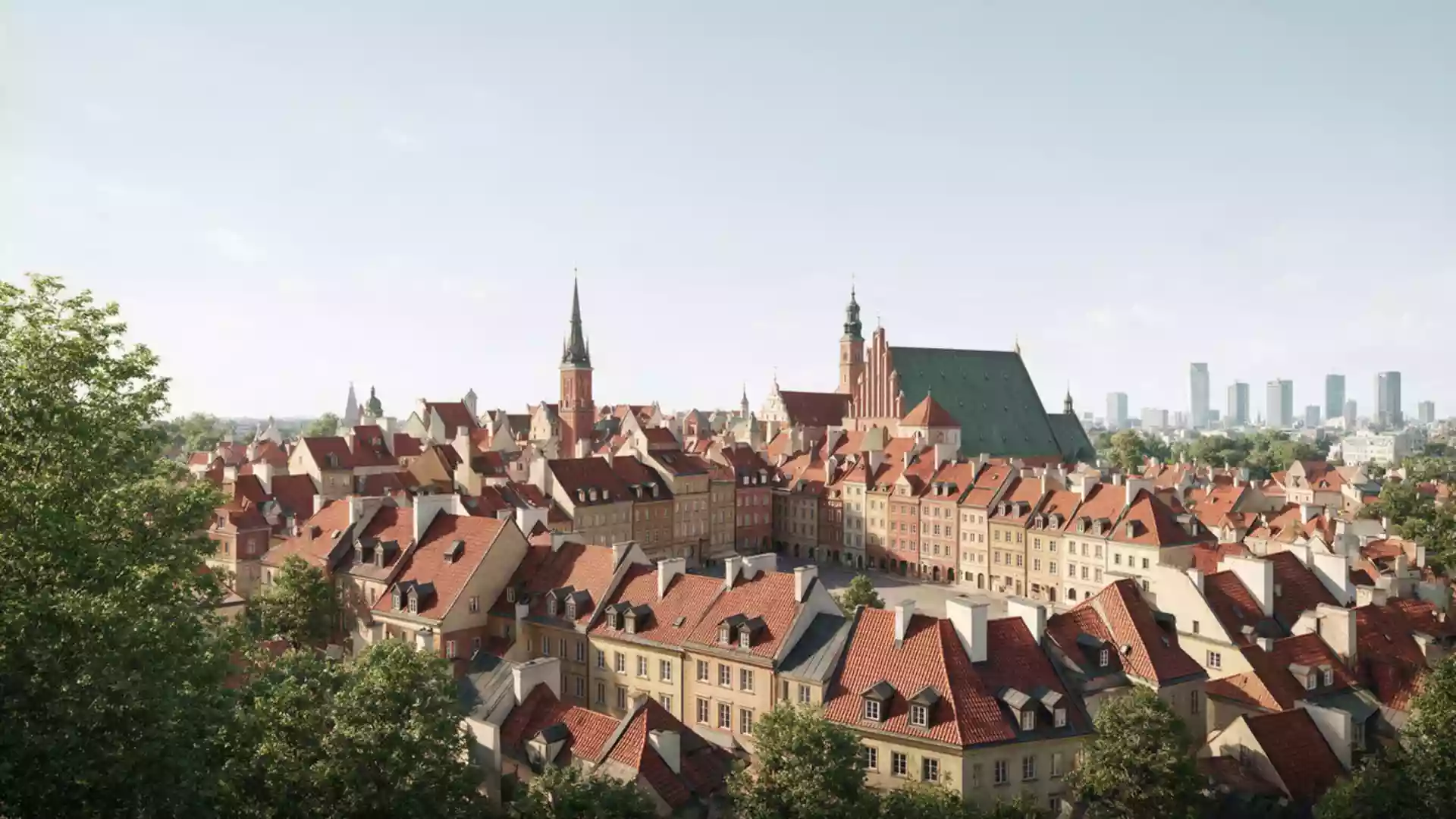
Weekend traffic limits reach Warsaw Old Town on 17 October
Published on 10/21/2026 at 13:17 | Editorial responsibility: Rafael Müller, Editor-in-Chief AD HOC NEWSRoad access and heritage setting
- Warsaw's Zarzad Terenow Publicznych introduced weekend restrictions around the Old Town from 17 October 2026.
- Senatorska, Podwale, Kapitulna, Kilinskiego and Dluga are affected, with exceptions for residents and selected vehicles.
- UNESCO records that more than 85% of Warsaw's historic centre was destroyed in 1944 and rebuilt over five years.
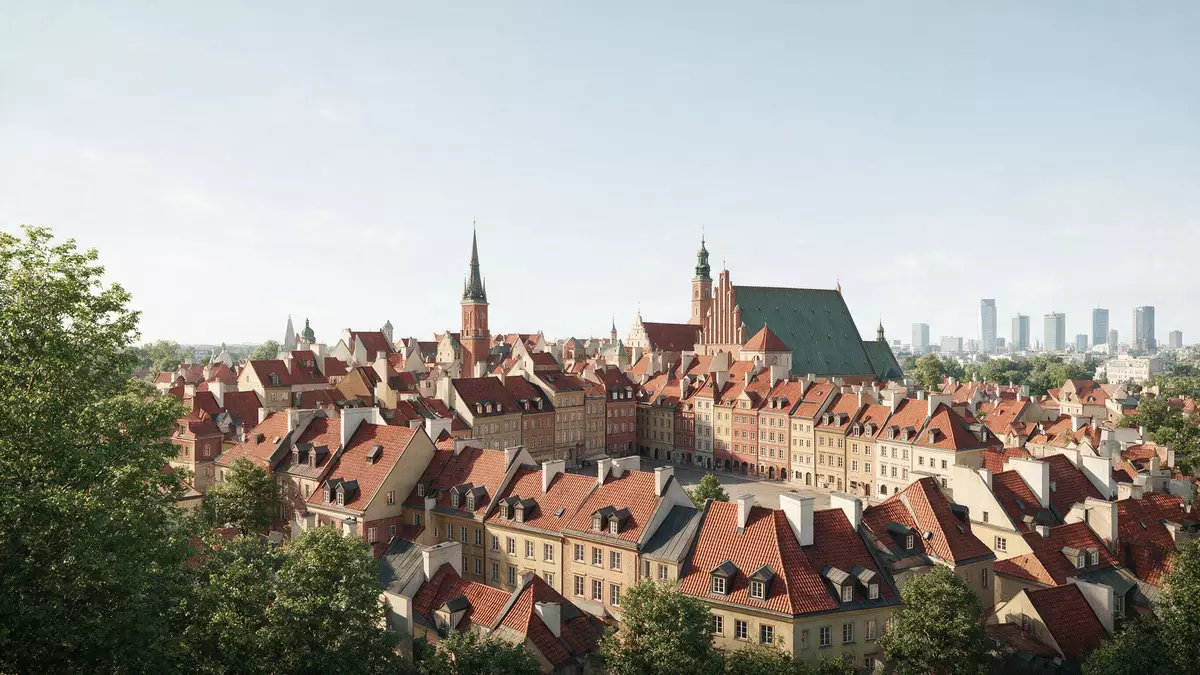
Weekend traffic restrictions now affect Warsaw Old Town (warszawska Starowka), with the first measures taking effect on 17 October 2026 in Warsaw, Poland. The change concerns streets around the historic centre and is intended to reduce through-traffic while keeping the area accessible to visitors.
Weekend traffic restrictions began on 17 October
The new arrangements apply on Saturdays, Sundays and public holidays. The first signs and barriers were introduced around midnight between Friday 16 October and Saturday 17 October, with traffic due to return on Sunday night or Monday morning.
The affected roads include Senatorska between Miodowa and Podwale, Podwale between Senatorska and Kilinskiego, Kapitulna, Kilinskiego and Dluga from Krasinski Square towards the New Town. The Zarzad Terenow Publicznych, which manages the roads concerned, is monitoring the arrangement with police and municipal guards. Its future duration and any adjustments have not been fixed.
The restriction does not close the Old Town to pedestrians. Residents with permits, taxis, municipal services, cyclists, newlyweds and funeral processions are among those allowed to enter. Delivery vehicles may also enter during a limited unloading period, while City Sightseeing buses and vehicles heading for Hotel Verte can approach from Senatorska.
The traffic change is a practical development for the historic centre rather than a new attraction. It responds to congestion on narrow streets, especially around Podwale and Miodowa, where heavy traffic has affected both residents and people visiting the area. The first weekend after 17 October therefore set a different road-access pattern for a major visitor district.
Warsaw Old Town links traffic policy to reconstruction
The restriction surrounds a dense historic urban ensemble that includes the Old Town Market, churches, palaces, townhouses, city walls and the Royal Castle. UNESCO describes the Historic Centre of Warsaw as a near-total reconstruction covering architectural history from the thirteenth to the twentieth century.
More than 85% of Warsaw's historic centre was destroyed during the Warsaw Uprising in August 1944. A five-year post-war reconstruction campaign recreated the Old Town's historic urban and architectural form, and the rebuilding continued until the mid-1960s. UNESCO's description of the site records that the medieval street network and main market square were retained during the project.
That preserved street pattern explains the direct connection between heritage and present-day access: the lanes that support the area's historic character also leave limited room for modern traffic. The weekend restrictions now place the reconstructed urban fabric at the centre of a continuing decision about how the district functions for residents and visitors.
Five streets define the current access change
The arrangement is not a blanket closure of Warsaw Old Town. It applies to named approaches and allows several categories of vehicle to pass, while ordinary drivers must use other routes or leave their cars outside the restricted streets.
The announcement also identifies public transport as the preferred way to reach the area during restricted periods. Metro line M1 serves Ratusz Arsena?, from where visitors can walk along Dluga to Krasinski Square. Metro line M2 reaches Nowy Swiat-Uniwersytet, while trams 4, 13, 20, 23 and 26, together with buses 160 and 190, serve stops named Stare Miasto on the W-Z route.
Visiting Warsaw Old Town: what travellers from Western Europe should know
- The traffic restriction began around midnight between 16 and 17 October 2026 and applies on weekends and public holidays around the Old Town.
- Pedestrian access remains available, but ordinary car access is restricted on Senatorska, Podwale, Kapitulna, Kilinskiego and Dluga during those periods.
- Visitors can use Ratusz Arsena? on metro line M1, Nowy Swiat-Uniwersytet on line M2, or the Stare Miasto tram and bus stops.
- The area contains narrow historic streets, the Old Town Market and surviving or reconstructed sections of the medieval street layout.
Searching for Warsaw Old Town on social platforms
These links open searches for Warsaw Old Town on each platform.
Frequently asked questions about Warsaw Old Town
When did the weekend traffic restriction begin at Warsaw Old Town?
The first restriction began around midnight between 16 and 17 October 2026 and applies on weekends and public holidays.
Which streets have restricted access around Warsaw Old Town?
The named streets are Senatorska, Podwale, Kapitulna, Kilinskiego and Dluga.
Where is Warsaw Old Town and how do you get there?
It is in central Warsaw, with access by metro lines M1 and M2 and by trams and buses serving the Stare Miasto stops.