
Wat Rong Khun, the white dreamscape of Chiang Rai
Published on 09/16/2026 at 19:16 | Editorial responsibility: Rafael Müller, Editor-in-Chief AD HOC NEWS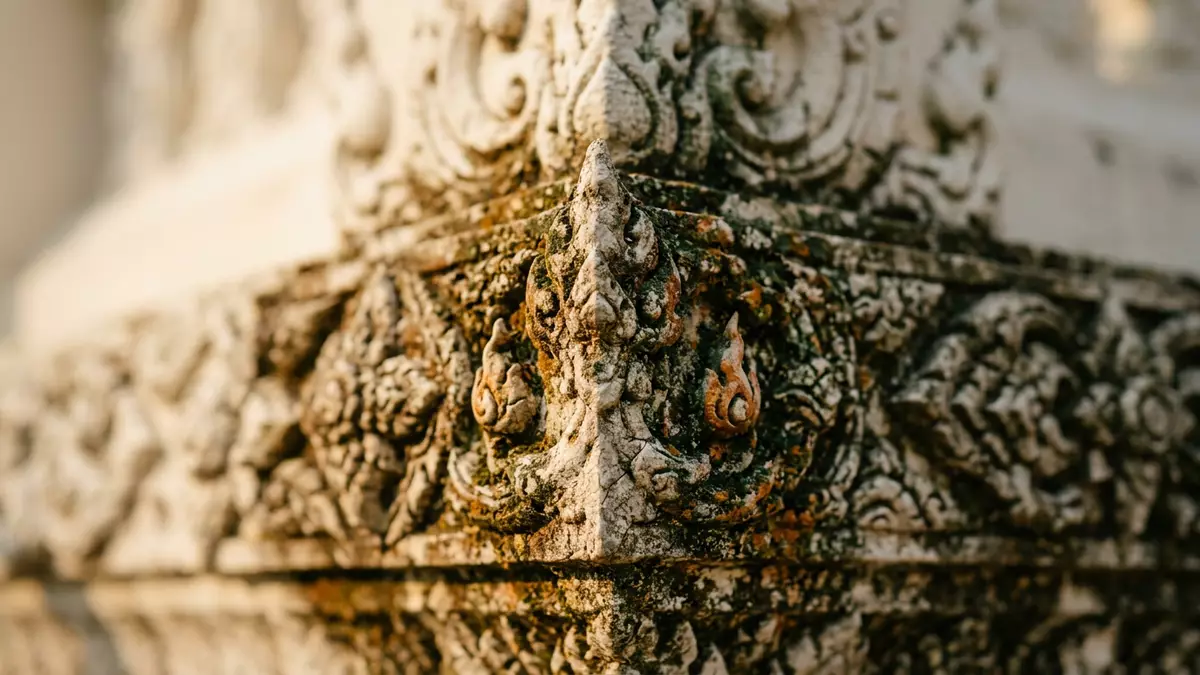
Wat Rong Khun, south of Chiang Rai in northern Thailand, is a Buddhist temple recast as a gleaming white artwork by Thai artist Chalermchai Kositpipat in the late twentieth century. Construction of the complex in its present form began in 1997, turning an ordinary local temple into a landmark of contemporary religious architecture.
A temple turned into a total work of art
Wat Rong Khun is officially a Buddhist temple, yet its present incarnation reads as a vast, coherent artwork that extends across the entire compound. The project is closely associated with Chalermchai Kositpipat, a nationally recognised artist from Chiang Rai whose vision and funding underpin the transformation of the original, deteriorated temple into the current White Temple.Chalermchai Kositpipat The initiative grew from his decision in the 1990s to rebuild the site rather than simply repair the ageing structures that had fallen into disrepair by the end of the twentieth century.aging, dilapidated ruins
Construction at Wat Rong Khun began in 1997 with the main ordination hall, or ubosot, and expanded as a long-term project with additional buildings planned around it.Construction at the site The complex is widely described as contemporary Thai art expressed through architecture, stucco sculpture and painting, rather than as a conventional monastic compound.contemporary Thai art Chalermchai’s role as designer and patron means that the buildings, decorations and murals form a single artistic language woven through religious imagery.
Monochrome white, mirrored glass and modern imagery
The most striking feature of Wat Rong Khun is its monochrome white exterior, which covers the temple structures and many of the sculptural elements around them. This white surface is punctuated by countless small pieces of mirrored glass embedded into the render, catching the light and giving the surfaces a crystalline, shimmering quality under the sun.monochromatic white exterior The combination distinguishes the temple from older, more traditional compounds with painted or gilded surfaces.
The architectural language mixes Thai modern architecture with references to Lanna traditions, creating forms that are both rooted in northern Thai culture and visually distinctive.Thai Modern Architecture Around the main hall and subordinate structures, sculpted figures, mythological motifs and ornamental details line walkways and platforms. Interior wall paintings bring contemporary imagery into the temple, including stylised references to modern culture placed alongside scenes that reflect Buddhist themes.merging modern art The result is a space where religious symbolism and modern visual culture stand side by side.
A changing complex in northern Thailand
Wat Rong Khun stands in the countryside south of Chiang Rai, a short distance from the city on the road towards Phan. The site retains its function as a Theravada Buddhist temple, while at the same time operating as a privately created art environment centred on Chalermchai’s continuing work.Theravada Buddhist temple The complex is laid out around the main ubosot, with further structures, galleries and meditation spaces incorporated into the wider grounds as construction progresses.plans describe several buildings
The temple suffered damage during an earthquake that struck Mae Lao district in Chiang Rai province in May 2014, affecting parts of the complex.damaged by the earthquake Subsequent engineering assessments reported that the main structures remained sound, and restoration and continued construction followed.restoration work and further expansion Work on Wat Rong Khun is framed as a long-term project, with the complex developing over decades rather than being treated as a finished monument.
Visiting Wat Rong Khun: what travellers from Western Europe should know
- Wat Rong Khun lies south of Chiang Rai, along the highway towards Phan, and is reached overland from the city by road transport such as local buses or taxis.
- The temple compound includes steps, raised platforms and walkways around the main hall, so visiting involves walking across paved areas and climbing short staircases.
- The surrounding region is in northern Thailand, with the official language Thai and the currency the baht.
- Entry requirements depend on your nationality; UK travellers can check the FCDO travel advice at gov.uk/foreign-travel-advice, Irish travellers the Department of Foreign Affairs at ireland.ie.
Searching for Wat Rong Khun on social platforms
These links open searches for Wat Rong Khun on each platform.Frequently asked questions about Wat Rong Khun
Where is Wat Rong Khun located?
Wat Rong Khun stands in northern Thailand, south of Chiang Rai along the main road towards Phan, in the countryside outside the city.
What should visitors expect when they arrive?
Visitors encounter a white temple complex with mirrored glass surfaces, sculptural decorations, painted interiors and a layout centred on the main ordination hall.
What makes Wat Rong Khun distinctive among Thai temples?
Wat Rong Khun is distinctive because it is a contemporary art project begun in 1997 by artist Chalermchai Kositpipat, combining Buddhist temple functions with modern visual and architectural language.


