
Wadi Rum’s sandstone towers and desert valleys
Published on 08/28/2026 at 18:42 | Editorial responsibility: Rafael Müller, Editor-in-Chief AD HOC NEWS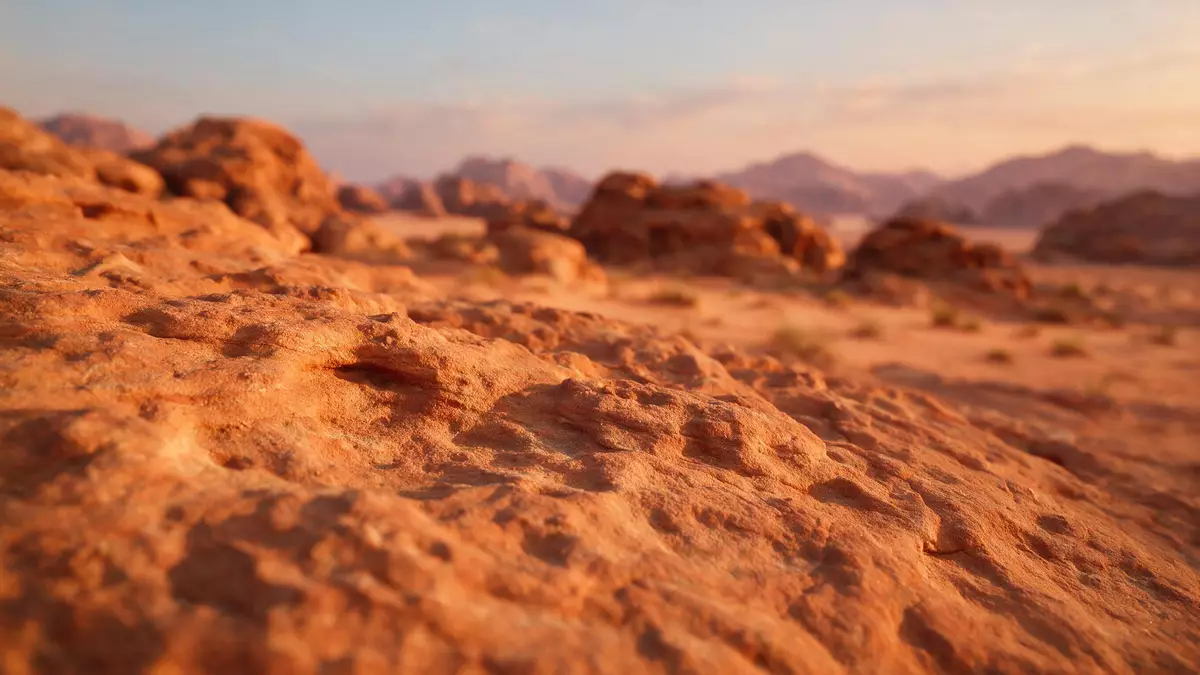
Wadi Rum is a broad desert valley in southern Jordan, east of Aqaba and close to the border with Saudi Arabia, where sandstone cliffs rise from wide plains of sand and gravel.The valley forms part of the Hisma desert and has become a protected landscape that preserves both dramatic rock formations and traces of human presence over millennia.
Sandstone massifs and the “Valley of the Moon”
The name Wadi Rum refers to a valley cut into sandstone and granite, where compact rock massifs rise abruptly above the surrounding desert floor.Sandstone cliffs form sheer faces and ridges, creating a landscape of towers, buttresses and slopes that catch the changing light. Between these heights lie open corridors of sand, dry channels and low rocky outcrops that together give the place its layered structure.
Because of the pale rock and the way the moonlight falls across the faces and plains, Wadi Rum has acquired the description “Valley of the Moon”.The valley’s alternative name reflects the mixture of soft desert surfaces and vertical cliffs that define its appearance. On the ground, visitors move from firm, gravelly stretches into areas of deeper sand, always with the rock walls forming a backdrop and the horizon broken by mesas and peaks.
A protected area and World Heritage landscape
Wadi Rum sits within the Wadi Rum Protected Area, a designation that covers tens of thousands of hectares of desert terrain in southern Jordan.The protected area lies east of the Jordan Rift Valley and south of the escarpment of the central Jordanian plateau, with the sandstone landforms of the Hisma desert at its core. The protection framework recognises both natural forms and cultural traces, treating the cliffs, gorges and rock art as parts of a single landscape.
In 2011 the Wadi Rum Protected Area was inscribed on the UNESCO World Heritage List as a mixed natural and cultural site.The World Heritage inscription underlines the range of features found here: narrow gorges that cut into the massifs, natural arches of sandstone, towers and ramps, as well as caves and debris slopes created by landslides. The protected area extends for many kilometres from north to south and from east to west, with a buffer zone that separates the core desert from surrounding settlements and roads.
Rock carvings, inscriptions and desert routes
The cliffs and isolated rocks of Wadi Rum carry thousands of carvings and inscriptions that record human activity in the area over a very long span of time.Petroglyphs and inscriptions include stylised figures, animals and script, in several languages and writing systems. Together they trace the development of pastoral and caravan life, the movement of groups across the desert and the gradual emergence of alphabetic writing in the wider region.
Among the cultural sites within the wider Wadi Rum area are Nabatean remains linked to caravan routes running between the Hijaz, Petra and Damascus.Nabatean stations and temples stand near cliffs such as Jebel Rum, where ancient structures and inscriptions sit below towering rock faces. Springs used by caravans form stopping points in the desert, marking places where water emerges at the base of the cliffs and where travellers and Bedouin groups gathered before moving on across the plains.
Wadi Rum in southern Jordan
Geographically, Wadi Rum lies in the Aqaba Governorate of southern Jordan, around 60 km to the east and north of the coastal city of Aqaba.The position relative to Aqaba makes the valley one of the principal desert destinations accessible from the Red Sea shore. The area is reached by road across the desert plateau, with the final approach leaving the main highway for a side road that runs towards the cliffs and the entrance village near the protected area.
Within the protected area, low villages and Bedouin camps cluster near the edges of the desert where rock meets more stable ground.The village at the gateway serves as a starting point for journeys deeper into the sands and valleys. From here, sand tracks lead towards prominent massifs, open basins and narrow defiles, with distant views across the plains towards other ranges of sandstone and the high plateau beyond.
Visiting Wadi Rum: what travellers from Western Europe should know
- Wadi Rum lies in southern Jordan, inland from Aqaba on the Red Sea, and is reached by road connections from Aqaba, Amman and Petra to the desert gateway village.
- The desert terrain is a mixture of loose sand, firm gravel and rock; moving between viewpoints and cliffs often involves walking on soft surfaces and climbing short, uneven slopes.
- The wider landscape sits within the Aqaba Governorate of Jordan, where the official language is Arabic and the currency is the Jordanian dinar (JOD).
- Entry requirements depend on your nationality; UK travellers can check the FCDO travel advice at gov.uk/foreign-travel-advice, Irish travellers the Department of Foreign Affairs at ireland.ie.
Searching for Wadi Rum on social platforms
These links open searches for Wadi Rum on each platform.
Frequently asked questions about Wadi Rum
Where is Wadi Rum in relation to Aqaba?
Wadi Rum lies in southern Jordan within the Aqaba Governorate, inland to the north-east of Aqaba and reached by road across the desert plateau.
What kind of landscape can visitors expect in Wadi Rum?
Visitors encounter sandstone and granite massifs rising from plains of sand and gravel, with gorges, natural arches, cliffs and open valleys forming a varied desert terrain.
What makes Wadi Rum distinctive among desert regions?
The combination of tall sandstone cliffs, extensive rock carvings and inscriptions, and its status as a mixed natural and cultural World Heritage site gives Wadi Rum a distinctive character.


