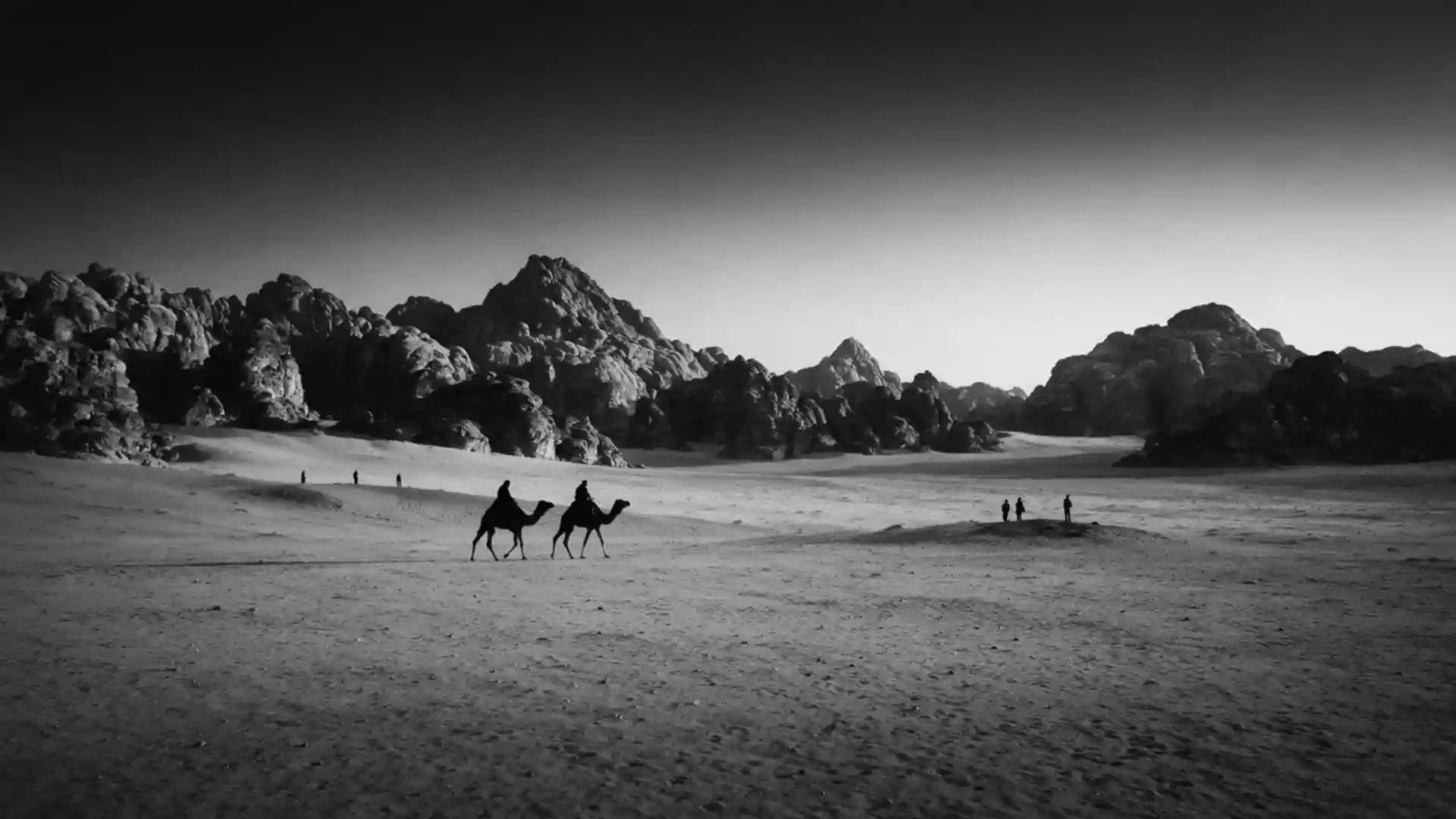
Wadi Rum’s sandstone cliffs and granite base
Published on 09/14/2026 at 12:39 | Editorial responsibility: Rafael Müller, Editor-in-Chief AD HOC NEWS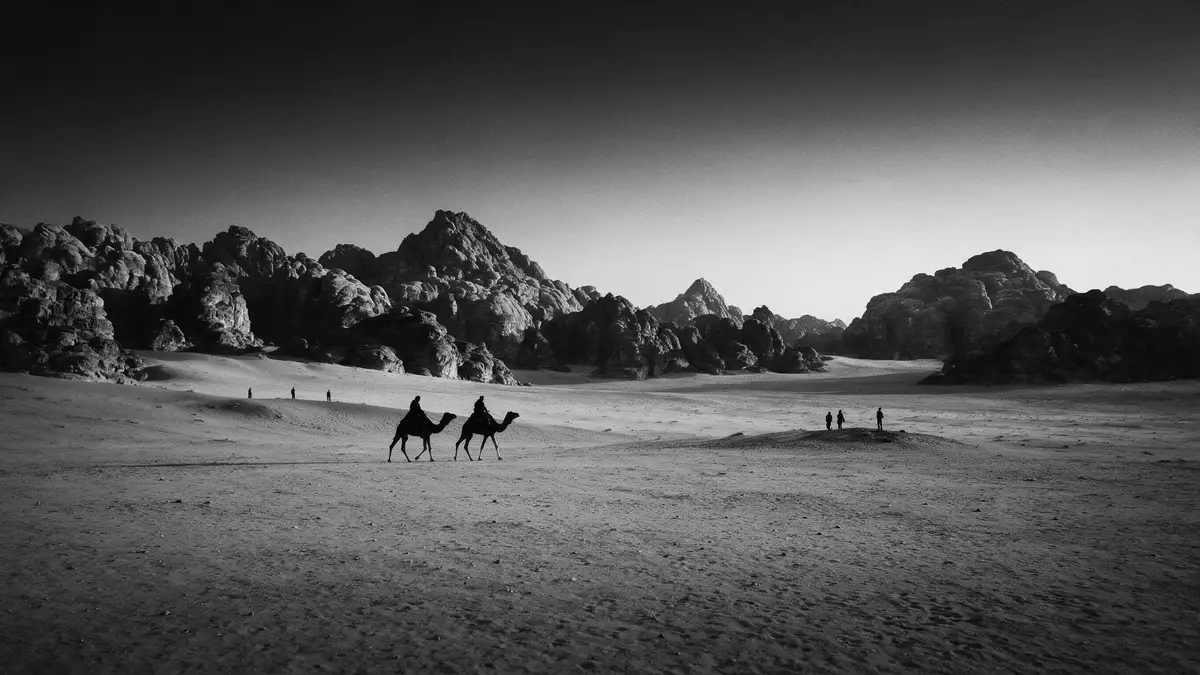
Wadi Rum in southern Jordan is a desert landscape of sandstone cliffs, granite outcrops and wide sandy floors. Its protected area was inscribed on the UNESCO World Heritage List in 2011, under the name Wadi Rum Protected Area.
Sandstone walls above the desert floor
The first impression is vertical. Sheer cliffs rise from pale sand, while darker rock bands sit below lighter sandstone layers in many places.
The landscape belongs to the Hisma Desert and lies east of the Jordan Rift Valley, south of the central Jordanian plateau. The protected area covers 74,200 hectares and sits near the border with Saudi ArabiaWorld Heritage List.
Ancient rock beneath the open desert
The rocks combine Precambrian granite and Early Palaeozoic sandstones. That contrast gives the place its layered look, with hard basement rock below the desert sandstonePrecambrian granite.
The geological story reaches back through the Cambrian, Ordovician and Silurian periods. Erosion has left monolithic hills, narrow valleys and broad sand sheets across the sitebroad sand sheets.
Bedouin presence and named terrain
The protected area is a cultural landscape as well as a natural one. Bedouin communities remain part of its identity, and the landscape carries Arabic place names across its peaks, valleys and passescultural landscape.
Jabal Rum and the surrounding formations give the area its most recognisable profile. The open desert around them is cut by wadis, rock towers and long corridors of sandJabal Rum.
Visiting Wadi Rum: what travellers from Western Europe should know
- The desert lies south-east of Aqaba in Jordan. Road access is the usual approach, with the main settled edge around the village of Rum.
- The terrain is open, rocky and sandy. Rock shelves, cliff bases and long wadis make the scale of the place part of the experience.
- Shaded rock faces are limited. The ground is exposed for much of the route between formations and sand stretches across broad valley floors.
- The official language is Arabic and the currency is the Jordanian dinar.
- Entry requirements depend on your nationality; UK travellers can check the FCDO travel advice at gov.uk/foreign-travel-advice, Irish travellers the Department of Foreign Affairs at ireland.ie.
Searching for Wadi Rum on social platforms
These links open searches for Wadi Rum on each platform.
Frequently asked questions about Wadi Rum
Where is Wadi Rum?
Wadi Rum is in southern Jordan, inland from Aqaba and close to the border with Saudi Arabia. It lies east of the Jordan Rift Valley.
What does a visit involve?
The place is a desert of cliffs, sand and rock towers. Visitors encounter open terrain, wide valleys and exposed stone rather than built streets or enclosed monuments.
What makes Wadi Rum distinctive?
Its scale comes from the contrast between sandstone and granite, together with the long geological sequence exposed in the cliffs. The result is a landscape that reads like a cross-section of deep time.