
Volcan de Santa Ana and its high crater above Santa Ana
Published on 08/23/2026 at 07:30 | Editorial responsibility: Rafael Müller, Editor-in-Chief AD HOC NEWS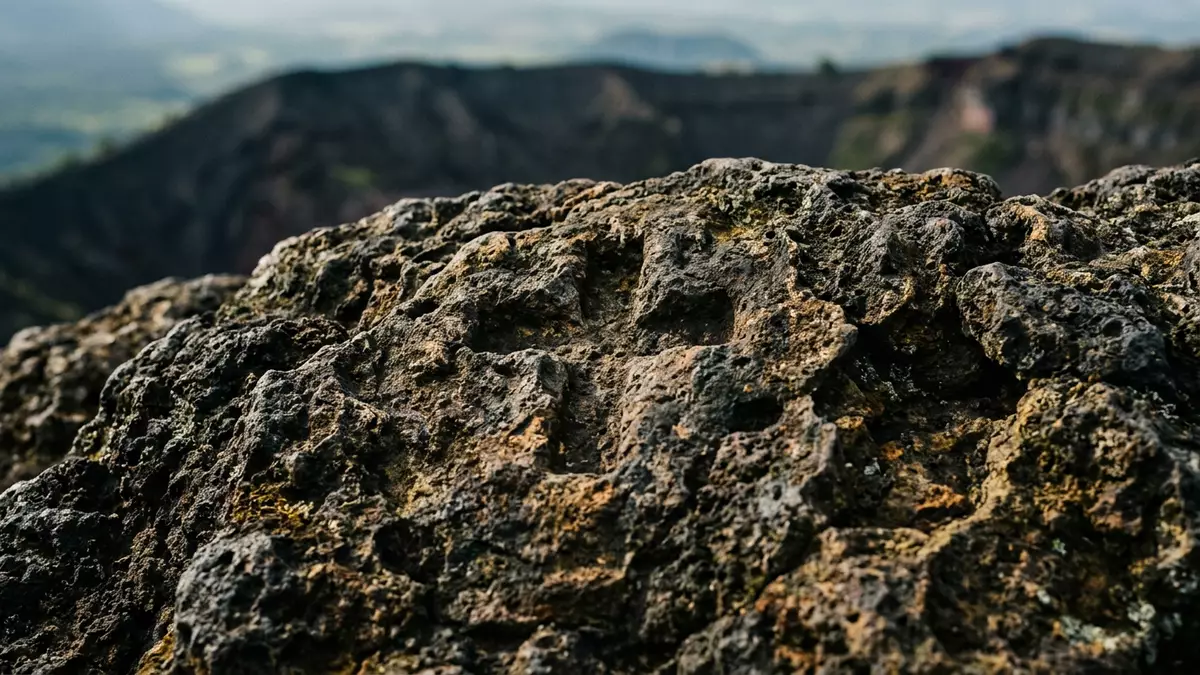
Volcan de Santa Ana, also known as Ilamatepec, is a high stratovolcano overlooking the city of Santa Ana in western El Salvador, with a summit area shaped by eruptions recorded since the sixteenth century.Stratovolcano in western El Salvador Rising to about 2,381 m (7,812 ft), it forms one of the most prominent landforms in the Apaneca-Ilamatepec mountain range and marks the highest volcanic peak in the country.Elevation of 2,381 m
Cerro Verde and the Los Volcanes landscape
Volcan de Santa Ana stands within the Los Volcanes area of the Apaneca-Ilamatepec range, a chain of volcanic peaks and ridges in western El Salvador that includes Izalco volcano and Cerro Verde.Los Volcanes National Park The volcano rises immediately west of the large Coatepeque caldera, a broad basin with a lake that occupies part of the eastern foot of the massif.Location next to Coatepeque
The slopes around Volcan de Santa Ana carry forest and coffee-growing areas, giving parts of the Apaneca-Ilamatepec range a patchwork of wooded hillsides and cultivated terraces.Coffee-growing region Within the protected landscape, trails climb across volcanic ground towards different viewpoints, some looking towards Izalco’s cone, others towards Coatepeque’s lake and the broader chain of peaks.
A crater with a sulphurous lake and fumaroles
At the summit of Volcan de Santa Ana lies a wide crater with inner walls of bare rock and volcanic ash, cut by ledges and minor ridges that show the layered build-up of the stratovolcano. In the floor of this crater sits a small sulphurous lake, coloured by dissolved minerals and volcanic gases and surrounded by areas of fumaroles where steam and other gases escape from the ground.Sulphurous crater lake
The rim gives views down into the lake and across the wider Apaneca-Ilamatepec range, setting the crater in a landscape of further volcanic peaks. Walkers approaching the rim encounter rocky sections, patches of loose material and stretches of compacted ash, with the change from vegetated slopes to the stark upper cone marking the transition into the active summit area.Trail towards the crater
Eruptive history of Ilamatepec
Volcan de Santa Ana has documented activity over several centuries, with eruptions recorded since the sixteenth century and notable events in 1904, 1920 and 2005.1904, 1920 and 2005 eruptions The volcano is classed as an active stratovolcano, and the 2005 eruption involved explosive activity that affected the summit crater and its surroundings.Active stratovolcano
Geological summaries describe Volcan de Santa Ana as a massive andesitic-to-basaltic structure within the Central America volcanic arc, building up a multi-cratered summit over a long period of irregular eruptions.Andesitic-to-basaltic structure The presence of fumaroles and the sulphurous lake, together with monitoring programmes, reflects continuing interest in the state of magma beneath the volcano and its potential for renewed activity.Monitored active volcano
Visiting Volcan de Santa Ana: what travellers from Western Europe should know
- Volcan de Santa Ana rises in the department of Santa Ana in western El Salvador, with approaches from the city of Santa Ana and routes passing through Cerro Verde in the Los Volcanes area.
- Trails towards the crater cross volcanic ground with sections of uneven rock, compacted ash and loose material, and some upper parts follow slopes where footing can be demanding.
- The summit stands at high elevation, and conditions near the rim can differ from those on the lower forested slopes.Highest point in El Salvador
- The official language is Spanish and the currency is the United States dollar.
- Entry requirements depend on your nationality; UK travellers can check the FCDO travel advice at gov.uk/foreign-travel-advice, Irish travellers the Department of Foreign Affairs at ireland.ie.
Searching for Volcan de Santa Ana on social platforms
These links open searches for Volcan de Santa Ana on each platform.
Frequently asked questions about Volcan de Santa Ana
Where is Volcan de Santa Ana located?
Volcan de Santa Ana stands in the department of Santa Ana in western El Salvador, immediately west of Coatepeque caldera and its lake and within the Los Volcanes area of the Apaneca-Ilamatepec range.
What should visitors expect on a visit?
Visitors encounter forested and cultivated slopes leading towards volcanic ground near the summit, with trails ascending towards a rocky crater rim and views into a sulphurous lake and across neighbouring peaks.
What makes Volcan de Santa Ana distinctive?
Its combination of status as the highest volcano in El Salvador, location above Santa Ana and Coatepeque caldera and the presence of a sulphurous crater lake within an active, monitored summit make Ilamatepec a distinctive landmark within the country’s volcanic chain.


