Vieux-Montreal, where Montreal first met the St Lawrence
Published on 09/07/2026 at 13:34 | Editorial responsibility: Rafael Müller, Editor-in-Chief AD HOC NEWS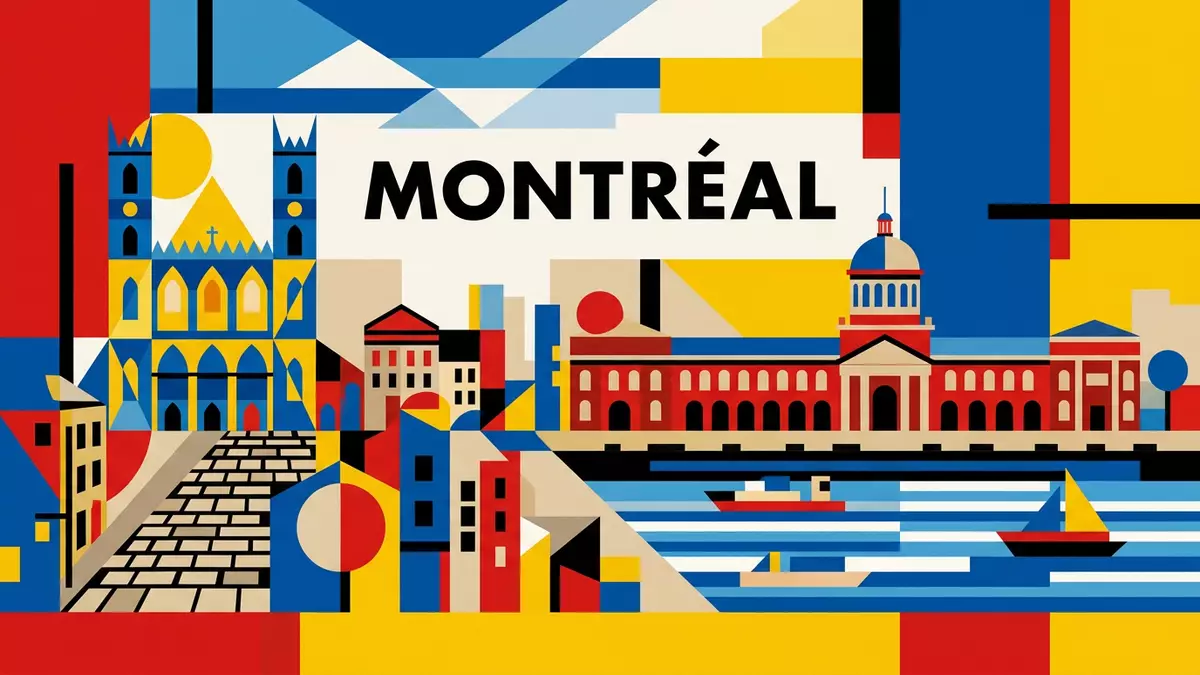
Vieux-Montreal, known in English as Old Montreal, is the historic riverfront quarter where the city first grew along the banks of the Saint Lawrence River in the seventeenth century. Founded as Ville-Marie in 1642 under the direction of Paul de Chomedey, Sieur de Maisonneuve, this compact district preserves an early street pattern and stone architecture within the modern borough of Ville-Marie.
Stone streets between river and downtown towers
Vieux-Montreal occupies a strip of land framed by the Saint Lawrence River to the south and the commercial core of downtown Montreal to the north, forming a narrow band in which the early colonial town once stood.Historic district in Montreal The district’s boundaries are commonly described with streets that mark its edges, including Rue Saint-Antoine to the north and Rue McGill to the west, while to the south the open quays of the Old Port connect the old town directly to the riverfront.Defined by streets and river
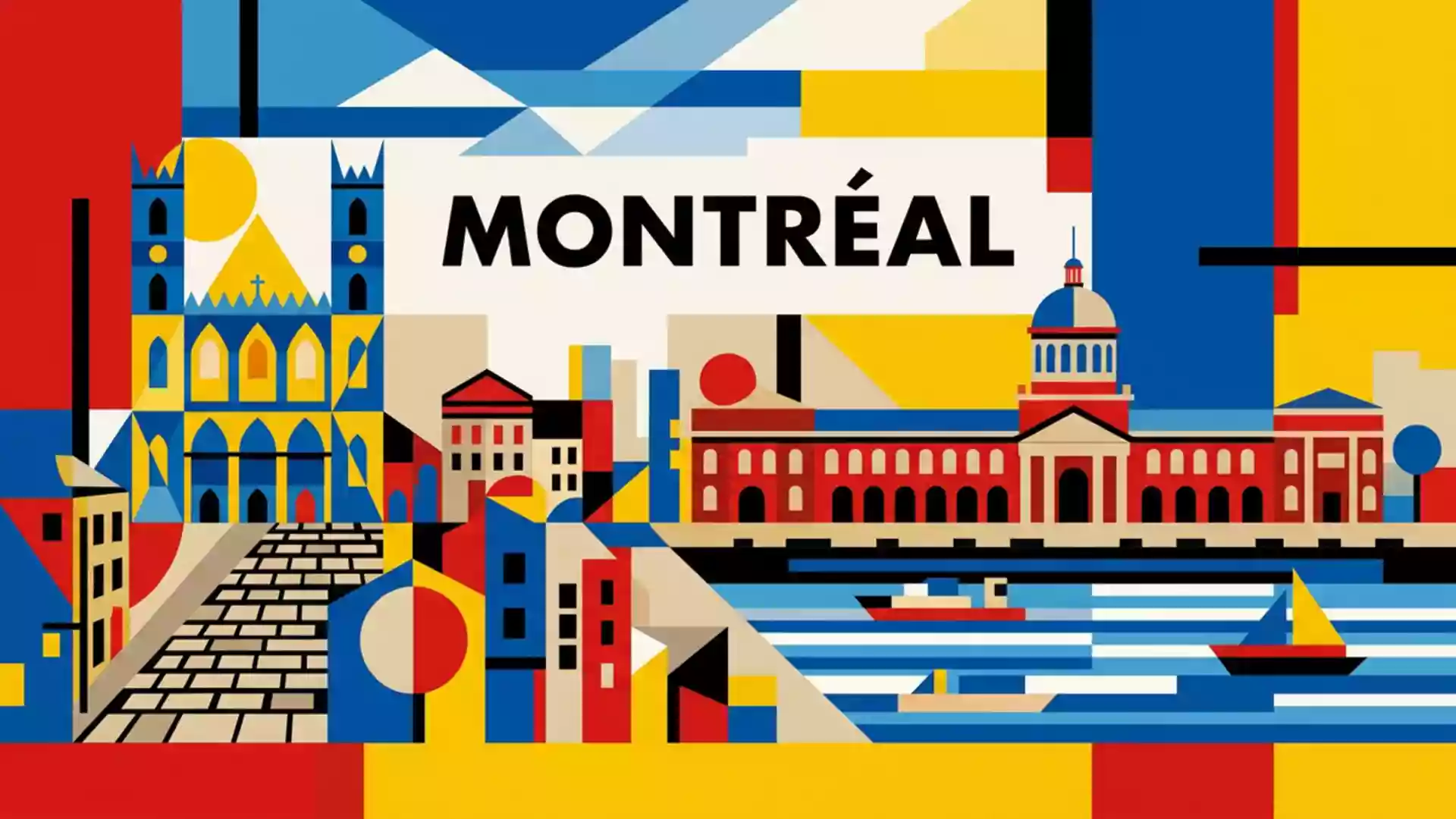
Walking through Vieux-Montreal means moving along narrow stone-paved streets that sometimes follow the lines of the original fortifications and earlier lanes, with short vistas ending in church towers, civic buildings or glimpses of water at the Old Port.Stone streets and squares Many facades are built in grey limestone, giving the streets a consistent palette that distinguishes the historic quarter from the glass and steel towers of downtown just beyond Rue Saint-Antoine.Grey stone masonry in Old Montreal
From Ville-Marie to a protected historic district
The origins of Vieux-Montreal lie in the founding of Ville-Marie in 1642, when French colonists established a fortified settlement on the riverbank that became the nucleus of Montreal’s urban development.Founded as Ville-Marie in 1642 Early on, religious institutions and administrative buildings clustered near the waterfront, and the street grid took shape within defensive walls that constrained the town’s expansion. Over the following centuries those fortifications were removed and the built-up area extended beyond the former walls, but parts of the early grid remain legible in the present street pattern.Legacy of fortifications in street layout
Many structures in Vieux-Montreal date from the seventeenth and eighteenth centuries, making this one of the oldest urban districts in North America with continuously occupied stone buildings.One of the oldest urban areas During the nineteenth century the quarter evolved into a commercial and financial centre, with banks and mercantile houses lining streets such as Rue Saint-Jacques and reinforcing the area’s importance in Canadian commerce.Vieux-Montreal as late 19th-century financial hub In 1964 the government of Quebec designated much of Old Montreal as a historic district, recognising its dense concentration of early urban architecture and protecting a continuous ensemble that includes the former walled town and adjoining riverfront.Historic district designation in 1964
Layers of architecture in stone and brick
The architecture of Vieux-Montreal runs across several centuries, combining early French colonial stone houses, eighteenth-century civic buildings and nineteenth-century commercial premises within a relatively small area. Many buildings are constructed from cut stone, with steep roofs in the older sections and more elaborate street elevations on later structures, reflecting broader shifts in architectural style from the French regime through British influence and Victorian tastes.Eclectic architecture in Old Montreal
Among the most recognisable landmarks are Notre-Dame Basilica, Bonsecours Market and Montreal City Hall, each representing distinct moments in Quebec’s architectural history within Vieux-Montreal.Prominent buildings in Old Montreal Notre-Dame Basilica stands as a major neo-gothic church with an elaborate interior that contrasts strongly with the more restrained exteriors of surrounding commercial buildings, while Bonsecours Market presents a long facade and a prominent dome on the edge of the old port quays. Montreal City Hall occupies a site near Place Jacques-Cartier and adds another layer of civic architecture to the streetscape, alongside former warehouses and merchants’ houses that have taken on new roles while retaining their stone walls and historical profiles.
Visiting Vieux-Montreal: what travellers from Western Europe should know
- Vieux-Montreal lies within the Ville-Marie borough on the southern edge of Montreal’s downtown, between the Saint Lawrence River and streets such as Rue Saint-Antoine, Rue McGill and Rue Berri.
- The historic quarter consists of tightly spaced streets and squares with stone paving and kerbs, where many routes involve uneven surfaces and short slopes rather than broad, level thoroughfares.
- The Old Port of Montreal extends directly from Vieux-Montreal’s southern edge along the riverfront, with quays and open spaces linking the preserved streets to the water.
- The official language of Montreal is French and the currency is the Canadian dollar.
Searching for Vieux-Montreal on social platforms
These links open searches for Vieux-Montreal on each platform.
Frequently asked questions about Vieux-Montreal
Where is Vieux-Montreal located within Montreal?
Vieux-Montreal forms the oldest part of Montreal on the southern side of the downtown area, between the Saint Lawrence River and streets such as Rue Saint-Antoine.
What should visitors expect when exploring Vieux-Montreal?
Visitors encounter narrow, stone-paved streets, historic squares, riverfront quays and a long sequence of preserved buildings that span from seventeenth-century houses to nineteenth-century banks and civic landmarks.
What makes Vieux-Montreal distinctive among Canadian urban districts?
Vieux-Montreal is distinctive for combining one of the earliest colonial townsites in Canada, visible in its street grid and seventeenth-century origins, with a protected historic district recognised since 1964 and a dense mix of architectural styles that remain concentrated along the riverfront.