

Vieux-Montreal: stone streets along the St Lawrence
Published on 08/30/2026 at 13:09 | Editorial responsibility: Rafael Müller, Editor-in-Chief AD HOC NEWS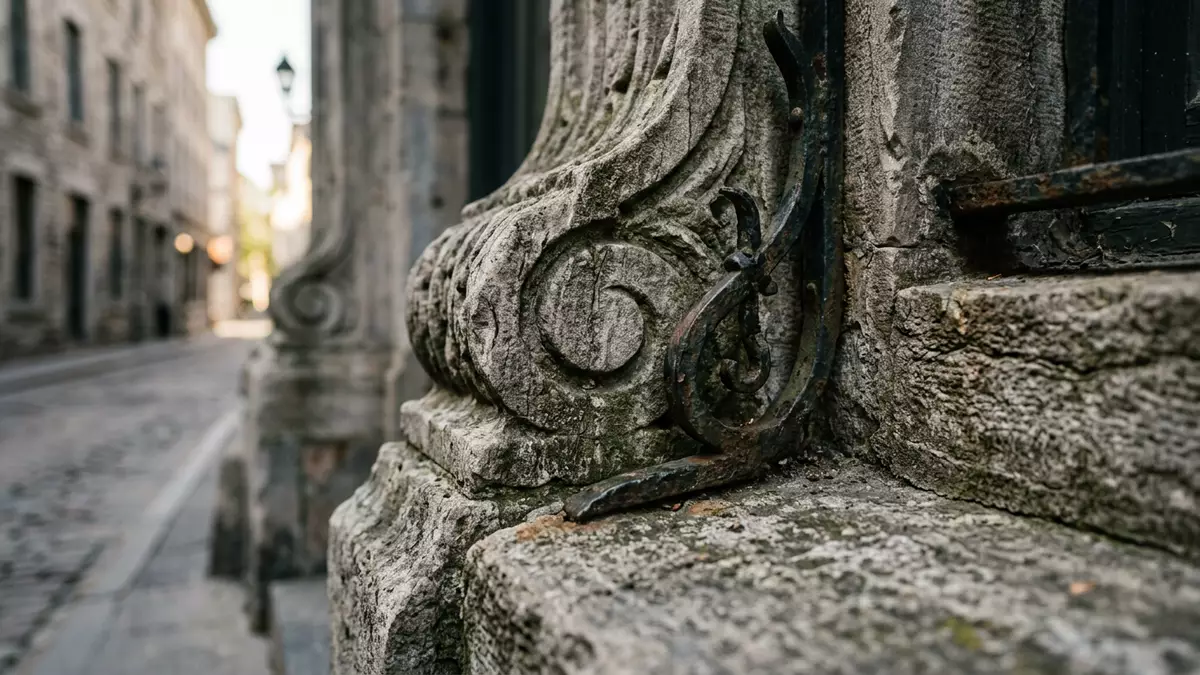
Vieux-Montreal, known in English as Old Montreal, is the historic riverfront district where the city first grew along the St Lawrence River at the southern edge of downtown Montreal. Its compact streets and squares preserve centuries of stone architecture, giving a clear picture of how this Canadian city developed from a seventeenth-century settlement into a modern metropolis.
Stone streets and riverfront squares
Vieux-Montreal occupies the oldest urban area of Montreal, with buildings and street layouts that trace back to the seventeenth century, when the settlement of Ville-Marie was founded along the St Lawrence River. The district’s narrow streets are paved with stone and lined with masonry facades, a pattern that sets it apart from the broader avenues and glass towers of the newer downtown. Within this area, public spaces such as Place Jacques-Cartier and Place d’Armes form focal points where streets open out into squares framed by historic buildings.seventeenth- to nineteenth-century stone buildings The Old Port of Montreal runs along the river at the southern edge of the district, with quays and promenades that linked the early town to the water and now form part of the same historic ensemble.the Old Port of Montreal
Several streets mark the structure of Vieux-Montreal. Rue de la Commune follows the riverfront beside the Old Port, while Rue Saint-Paul runs parallel inland and is known as one of the most historic commercial streets in the city.Rue de la Commune and Rue Saint-Paul Further north, Rue Notre-Dame and Rue Saint-Jacques form axes of civic and financial life, lined with institutional buildings and former bank headquarters. Together, these streets create a grid that is compact in scale, with short blocks and intersections where views open towards the river, nearby church towers or the skyline of downtown Montreal.
Historic architecture and protected status
The architecture of Vieux-Montreal reflects several centuries of construction, from seventeenth-century origins through extensive building activity in the eighteenth and nineteenth centuries. Stone warehouses, townhouses and public buildings stand side by side, often rising to similar heights and sharing materials that give the district a coherent appearance. In the nineteenth century, more elaborate commercial and institutional facades were added, particularly around streets such as Rue Saint-Jacques, which became a banking centre with the headquarters of major Canadian financial institutions.Rue Saint-Jacques banking district The variety of building dates and styles can be read directly in the stonework, rooflines and window arrangements facing the streets.
Much of Vieux-Montreal was declared a historic district in 1964, when the province of Quebec recognised the concentration of early urban architecture and set legal protection for the area as an arrondissement historique.historic district declared in 1964 This designation includes the Old Port along the river as well as the inland streets and squares, creating a single heritage ensemble where buildings and public spaces are treated as part of the same historic fabric.arrondissement historique including the Vieux-Port Within this protected perimeter, restoration and reuse have kept many structures in active use, so that shops, offices, cultural institutions and residences occupy buildings whose walls reflect earlier centuries.
Boundaries, borough and setting within Montreal
Vieux-Montreal lies within the Ville-Marie borough of Montreal, on the southern edge of the island where the city meets the St Lawrence River. The historic district is defined by a clear urban perimeter that follows the line of former fortifications and later streets. To the west, McGill Street marks the transition from the old quarter to newer city blocks, while to the north the area reaches towards Saint-Antoine Street.McGill Street and Saint-Antoine Street Berri Street forms the eastern frame, and the St Lawrence River defines the southern edge, where the Old Port’s quays extend along the waterfront.perimeter between McGill, Saint-Antoine, Berri and the river
Within this perimeter, Vieux-Montreal sits between the downtown towers of Montreal and the broad surface of the river. The district’s compact scale makes the changes in height and material between old and new easy to see: stone streets and mid-rise masonry buildings stand close to taller glass and steel structures beyond the historic frame. At the same time, the presence of the St Lawrence River remains visible along the southern edge, where the Old Port opens up wider views and long horizontal lines of quays against the water. This setting links Vieux-Montreal to the wider geography of the island and to the shipping routes that shaped Montreal’s growth as a major North American city.
Visiting Vieux-Montreal: what travellers from Western Europe should know
- Vieux-Montreal lies on the southern edge of downtown Montreal in the Ville-Marie borough, along the St Lawrence River and beside the Old Port, reached by city streets and public transport.
- The district’s streets are paved with stone and many approaches involve short gradients and flights of steps, so walking involves uneven surfaces rather than wide, level pavements.
- Key points of orientation within Vieux-Montreal include Rue de la Commune along the river, Rue Saint-Paul one block inland and major squares such as Place Jacques-Cartier.
- The official language of Montreal is French and the currency is the Canadian dollar.
- Entry requirements depend on your nationality; UK travellers can check the FCDO travel advice at gov.uk/foreign-travel-advice, Irish travellers the Department of Foreign Affairs at ireland.ie.
Searching for Vieux-Montreal on social platforms
These links open searches for Vieux-Montreal on each platform.
Frequently asked questions about Vieux-Montreal
Where is Vieux-Montreal within the city?
Vieux-Montreal is on the southern edge of downtown Montreal in the Ville-Marie borough, between streets such as McGill Street and Berri Street and the St Lawrence River.
What should visitors expect on a walk through Vieux-Montreal?
A walk through Vieux-Montreal leads along stone-paved streets and through historic squares, past buildings dating from the seventeenth to nineteenth centuries and towards the quays of the Old Port.
What makes Vieux-Montreal distinctive among Montreal’s districts?
Vieux-Montreal is distinctive for its concentration of early stone architecture, its designation as a protected historic district since 1964 and its direct relationship with the St Lawrence River and the Old Port.


