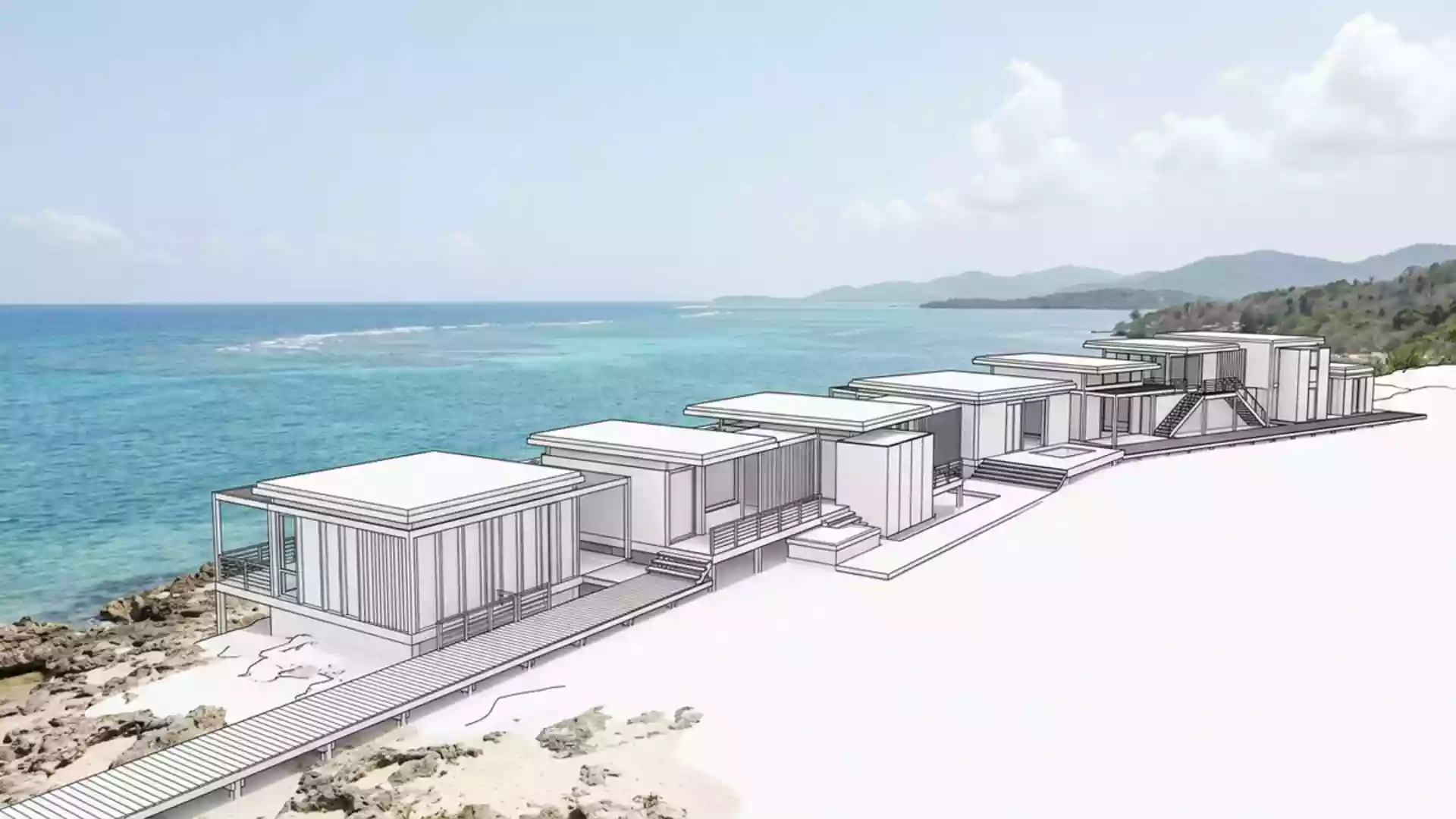
Utila Reef and the coral ring around Utila
Published on 09/14/2026 at 14:34 | Editorial responsibility: Rafael Müller, Editor-in-Chief AD HOC NEWS
Utila Reef is the living coral system that surrounds the small Caribbean island of Utila in Honduras, tracing the island’s shoreline with a near-continuous band of coral and Caribbean water. Set within the Bay Islands in the Caribbean Sea, Utila lies at the southern end of the wider Mesoamerican Barrier Reef System, a vast reef complex recognised as one of the largest in the world.Mesoamerican Barrier Reef System
A fringing reef wrapped around a Caribbean island
Utila Reef is a fringing reef, meaning the coral growth lies close to shore and follows the outline of Utila’s coast rather than standing as a distant offshore barrier. In many sections it forms a shallow coral platform that drops away into deeper water, creating a distinct shift from light turquoise shallows near the island to darker blue further out.nearshore coral reef is a fringing reef The reef encircles much of Utila, so dive boats leaving the town reach coral slopes and walls after only short runs over open water.dive sites ringing a 7-mile-long island
Utila itself is the smallest of Honduras’s three main Bay Islands, sitting off the country’s northern Caribbean coast west of the larger island of Roatán.smallest of Honduras' major Bay Islands The island lies within the Bay Islands National Marine Park, and its reefs are part of a protected marine landscape managed with input from local organisations and community representatives.Bay Islands National Marine Park From the shore, the visual relationship is clear: low island terrain and simple waterfront buildings give way almost immediately to the reef, which shapes the colours and textures of the water within sight of the town.
Life on the reef: coral, fish and Caribbean water
The waters around Utila Reef hold extensive coral growth and support a wide range of marine species. Surveys and conservation work describe hard corals, soft corals and sea fans forming dense assemblages, with reef fish moving between the branches and along the slopes.host to more than 500 species of fish At established dive sites, divers encounter reef-associated species such as barracuda, eagle rays, sea turtles and nurse sharks, alongside the smaller fish that crowd the reef face.barracuda, dolphins, eagle rays, nurse sharks and sea turtles
Utila Reef helps shield the island’s coastline from waves, as fringing reefs naturally act as a buffer between open sea and land by breaking incoming swell over coral structures.help protect coastlines from waves and storms The reef also underpins local livelihoods; conservation organisations note that the coral ecosystems around Utila provide food and income to thousands of residents through fishing and marine tourism.support approximately 8,500 people For visitors, this dual role is evident in the mix of small boats, waterfront homes and dive centres that line the shore, all oriented towards the reef just offshore.
Dive sites and access along the coral ring
Utila Reef is divided into numerous named dive sites that correspond to particular sections of the fringing reef around the island. Some lie near the entrance to Utila harbour, where coral structures frame the approach to the town and offer slopes and patches suitable for reef dives.site is located at the mouth of Utila harbor Others sit a short boat ride along the coast, where the reef face drops from shallow ledges into deeper water with recorded depths in the 5–20 m (16–66 ft) range for standard dives.max 5-20m
Dive centres based in Utila town operate boats to these reef locations and frame visiting the reef around guided dives or snorkelling excursions.boat dives from its base to various reef sites From the main settlement, established operators such as Utila Dive Center have premises within walking distance of the ferry dock, linking arriving travellers with the reef through scheduled outings.Utila Dive Center is located near the ferry dock The overall setting is compact: a small Caribbean island, a ring of coral lying just offshore and a town whose streets lead directly towards jetties and boats that head out over the reef.
Visiting Utila Reef: what travellers from Western Europe should know
- Utila Reef surrounds the island of Utila in the Bay Islands of Honduras, in the Caribbean Sea off the country’s northern coast. Access to Utila generally involves travelling to Honduran gateways such as San Pedro Sula or Roatán, then continuing by domestic flight or ferry to the island.
- The reef is a natural marine environment close to shore, reached by boat from Utila’s waterfront. Visiting the reef involves spending time on vessels and entering the water by steps or giant strides from the boat, rather than walking directly from land.
- Utila’s coral systems form part of a protected marine park, and organised activities on the reef work within regulations intended to limit physical impact on coral structures and marine life.
- The official language is Spanish and the currency is the Honduran lempira.
- Entry requirements depend on your nationality; UK travellers can check the FCDO travel advice at gov.uk/foreign-travel-advice, Irish travellers the Department of Foreign Affairs at ireland.ie.
Searching for Utila Reef on social platforms
These links open searches for Utila Reef on each platform.
Frequently asked questions about Utila Reef
Where is Utila Reef located?
Utila Reef surrounds the island of Utila in the Bay Islands of Honduras, in the Caribbean Sea off the country’s northern coast.
What can visitors expect when reaching the reef?
Visitors reach Utila Reef by boat from the island’s waterfront and encounter fringing coral formations, clear Caribbean water and established dive and snorkel sites.
What makes Utila Reef distinctive among Caribbean reefs?
Utila Reef stands out for its fringing coral ring around a small island, its position within the Mesoamerican Barrier Reef System and its combination of rich marine life and community dependence on reef resources.