

Urbia removes rails at Iguazu Falls on 13 October
Published on 10/18/2026 at 08:47 | Editorial responsibility: Rafael Müller, Editor-in-Chief AD HOC NEWS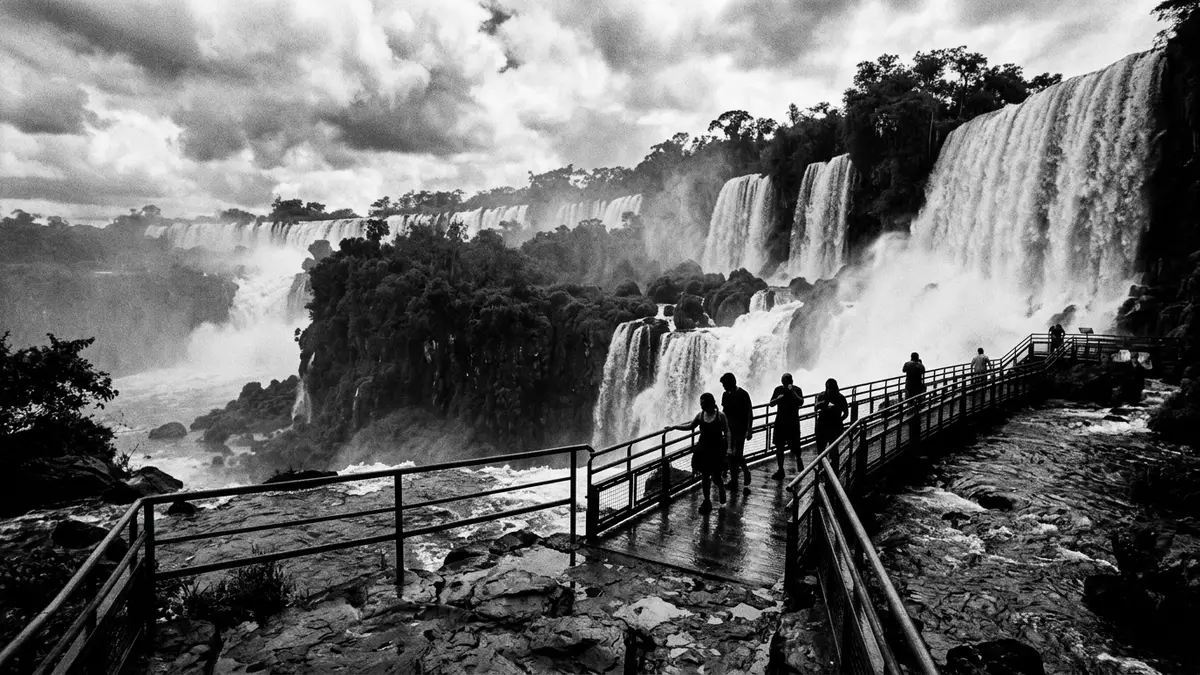
At Iguazu Falls (Iguaçu Falls) in Foz do Iguacu, Urbia+Cataratas began removing the protective railings from the main walkway on 13 October 2026 as the Iguaçu River rose. The Brazilian park remained open, but access to the walkway and several nearby attractions was restricted.
The change followed heavy rain and formed part of the park’s safety protocol. It is a current access issue for visitors travelling to southern Brazil, rather than a closure of the entire national park.
Walkway rail removal followed the 13 October river surge
The railings were removed on 13 October 2026 for the first time since 2023, according to the report on the 13 October measure. The operator said the procedure allows water and floating debris to pass more freely, reducing pressure on the structure during a rising flow.
The walkway had been closed since 11 October, when the river flow exceeded the safety threshold and was expected to keep increasing. On 13 October, the flow reached 11.2 million litres per second, while the park said the main route would reopen only after safer conditions, a technical inspection and approval from a specialist engineer.
The restriction affected the lower viewpoint at Espaço Naipi, the São João Circuit, Espaço Usina, the Poço Preto path and the Canafístula trail. The Cataratas Trail remained available from the areas authorised for visitors.
Water levels now shape access to a World Heritage landscape
The Brazilian side lies in Iguaçu National Park, in Paraná State near Foz do Iguacu. UNESCO describes the park as a World Heritage property covering 169,695.88 hectares and sharing the waterfall system with Iguazú National Park in Argentina.
The falls extend across nearly 2,700 metres and drop by up to 80 metres, according to UNESCO’s description of Iguaçu National Park. That scale explains why the 13 October rail removal concerned a particular visitor structure, while other viewpoints and the wider protected area remained usable. The current safety response therefore changes how visitors approach the water without closing the Brazilian park altogether.
The park is managed by the Chico Mendes Institute for Biodiversity Conservation, while Urbia+Cataratas operates visitor services. The operator identifies the site as BR 469, kilometre 18, in Foz do Iguacu, Paraná.
Visiting Iguazu Falls: what travellers from Western Europe should know
- The access change took effect on 13 October 2026 at the Brazilian side of the falls. The main walkway remained closed, while the Cataratas Trail stayed open in the permitted areas.
- The railings were removed as a flood-safety measure, not to reopen the walkway. Reopening depends on lower river levels, technical assessment and an engineer’s authorisation.
- The park is in Foz do Iguacu, Paraná, at BR 469, kilometre 18. Brazil’s official language is Portuguese and its currency is the Brazilian real.
- The site includes wet paths, spray and uneven natural terrain. Visitors should expect that access to viewpoints and trails can change as water levels are monitored.
- Entry requirements depend on your nationality; UK travellers can check the FCDO travel advice at gov.uk/foreign-travel-advice, Irish travellers the Department of Foreign Affairs at ireland.ie.
Searching for Iguazu Falls on social platforms
These links open searches for Iguazu Falls on each platform.
Frequently asked questions about Iguazu Falls
What changed at Iguazu Falls on 13 October 2026?
Urbia+Cataratas removed the protective railings from the main walkway as part of a high-water safety protocol. The walkway remained closed.
Can visitors enter Iguazu Falls in Brazil?
The Brazilian national park remained open on 13 October 2026, with the Cataratas Trail and permitted viewpoints accessible. Several attractions near the river were restricted.
Where is Iguazu Falls and how do you get there?
The Brazilian side is in Iguaçu National Park near Foz do Iguacu, in Paraná State. The visitor area is reached via BR 469, kilometre 18.


