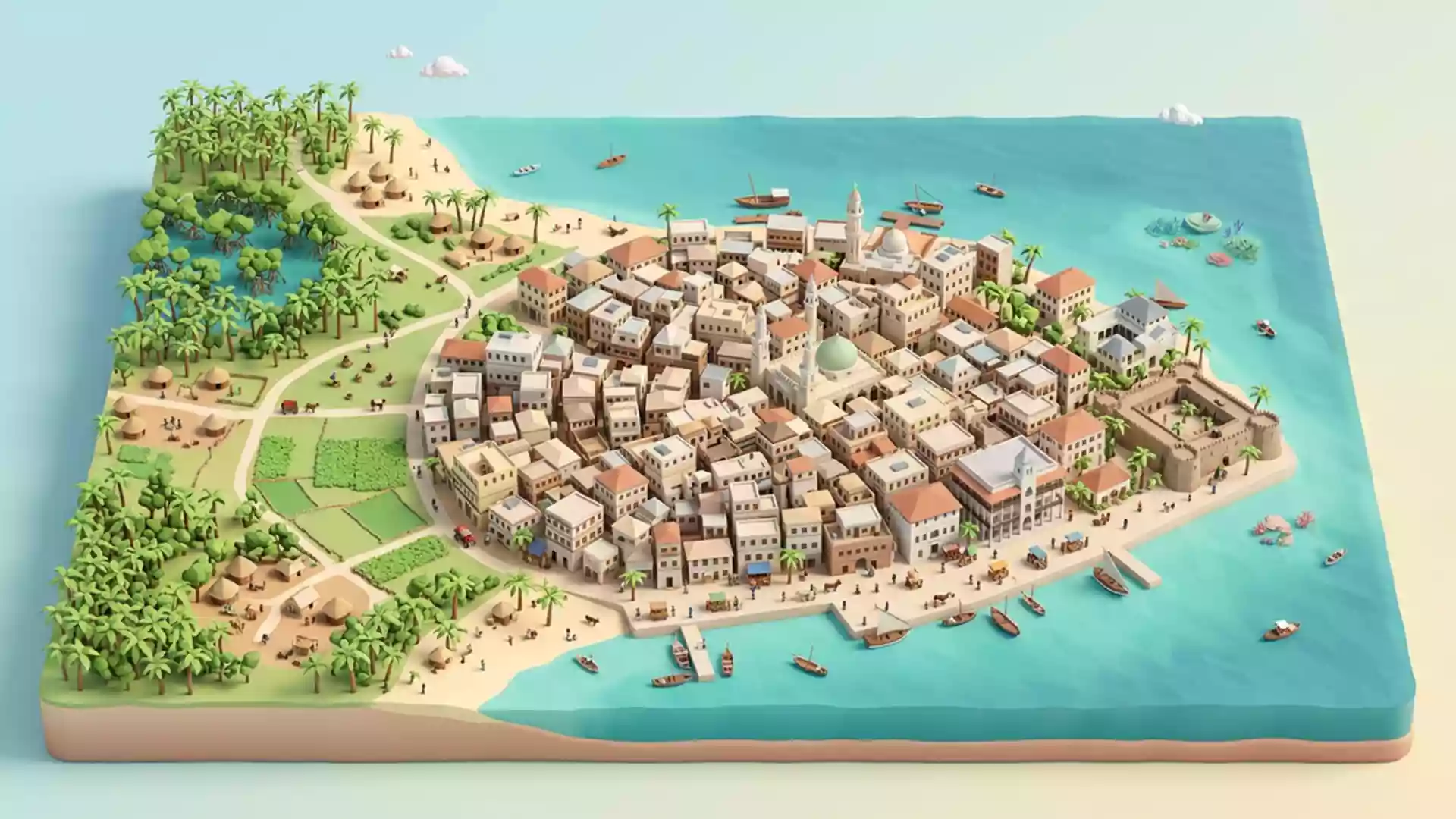
UNESCO reports Taarab inventory ending on 19 October
Published on 10/24/2026 at 17:05 | Editorial responsibility: Rafael Müller, Editor-in-Chief AD HOC NEWSTaarab inventory and heritage setting
- UNESCO and TUI Care Foundation supported the Taarab inventory that ended on 19 October 2026.
- The work coincided with the International Day of the Intangible Cultural Heritage on 17 October.
- UNESCO inscribed the historic town on the World Heritage List in 2000.
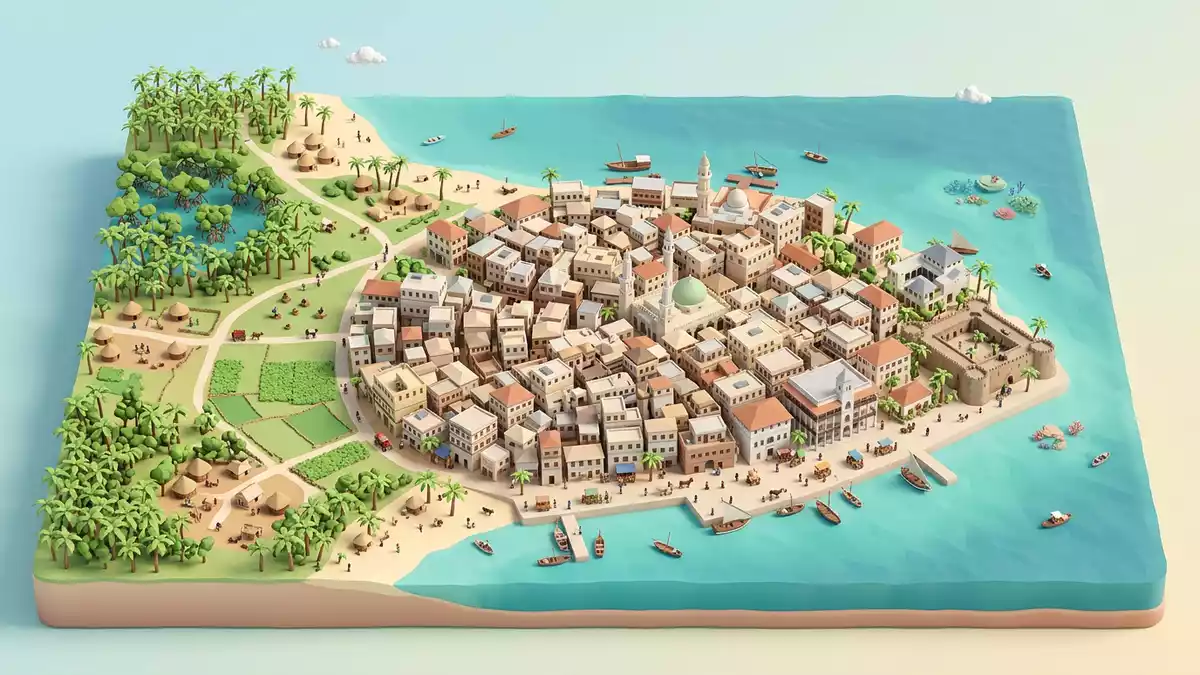
Stone Town of Zanzibar (Mji Mkongwe) was linked to a UNESCO-backed Taarab inventory conducted in Zanzibar from 12 to 19 October 2026. The work places the historic district within a current effort to document living heritage and its custodians.
UNESCO-backed Taarab inventory ended on 19 October
UNESCO reported on 19 October 2026 that it and the TUI Care Foundation had supported a community-based inventory of Taarab music in Zanzibar. The fieldwork brought together government authorities, cultural stakeholders, performers and other heritage bearers.
The programme included community consultations and field-based engagement. Its stated purpose was to deepen understanding of Taarab and recognise the knowledge held by the people who practise, perform and sustain the tradition. The inventory formed part of Sounds & Stories of Stone Town: Connecting Culture and Community through Sustainable Tourism, a 24-month initiative supported by UNESCO and the TUI Care Foundation. UNESCO’s account of the inventory says the project also seeks to connect heritage protection with participation in sustainable tourism.
Living music meets a World Heritage town
Taarab combines music, poetry and performance, and reflects the historical interaction of communities around the Swahili coast. The inventory therefore relates directly to the cultural setting associated with the old town, rather than treating heritage as architecture alone.
The historic settlement stands on a promontory on the western side of Unguja island, facing the Indian Ocean. Its buildings and street plan reflect Swahili, African, Arab, Indian and European influences. UNESCO describes the urban fabric as largely intact, with narrow streets, seafront mansions, carved doors and buildings made principally from coralline ragstone and mangrove timber. UNESCO’s World Heritage description records the site’s inscription in 2000 and identifies it as an outstanding example of a Swahili coastal trading town.
The inventory ended on 19 October, two days after the International Day of the Intangible Cultural Heritage. That timing connects the recent fieldwork with a wider international focus on traditions transmitted between generations, while the project’s Stone Town framework gives the architectural setting a role in the discussion about responsible cultural tourism.
Community participation is central to the heritage work
The project is not presented as a new performance programme or a visitor festival. Its emphasis is documentation, consultation and recognition of the people who carry Taarab. UNESCO says the work is intended to support continued practice, intergenerational transmission and opportunities for communities to decide how their traditions are shared.
For travellers, the immediate result is not a new attraction with a published timetable. The current news is that Taarab practitioners and cultural authorities have taken part in a formal inventory associated with the historic town. Any future cultural experiences connected with the initiative would depend on later programming and local participation.
Visiting Stone Town of Zanzibar: what travellers from Western Europe should know
- The Taarab inventory ran from 12 to 19 October 2026 within the UNESCO-TUI Care Foundation initiative linked to the historic town.
- The work was a community consultation and documentation process, not a visitor event with advertised public access.
- The historic district is on the western side of Unguja island, within Zanzibar City, and its streets form part of the UNESCO World Heritage property.
- Visitors encounter narrow, winding streets, compact historic buildings, seafront open spaces and carved Zanzibar doors; the terrain and street pattern call for walking rather than a vehicle-based visit.
- Swahili is the official language used alongside English in Tanzania, and the national currency is the Tanzanian shilling.
- Entry requirements depend on your nationality; UK travellers can check the FCDO travel advice at gov.uk/foreign-travel-advice, Irish travellers the Department of Foreign Affairs at ireland.ie.
Searching for Stone Town of Zanzibar on social platforms
These links open searches for Stone Town of Zanzibar on each platform.
Frequently asked questions about Stone Town of Zanzibar
When did the Taarab inventory take place at Stone Town of Zanzibar?
The inventory was conducted from 12 to 19 October 2026 as part of a UNESCO-TUI Care Foundation initiative.
What is Stone Town of Zanzibar?
It is a historic Swahili coastal trading town on the western side of Unguja island and a UNESCO World Heritage property inscribed in 2000.
Where is Stone Town of Zanzibar and how do you get there?
The historic district is within Zanzibar City on the western side of Unguja island, Tanzania. Its compact streets and buildings are explored on foot.