Trulli di Alberobello and their stone cones of Apulia
Published on 09/03/2026 at 14:24 | Editorial responsibility: Rafael Müller, Editor-in-Chief AD HOC NEWS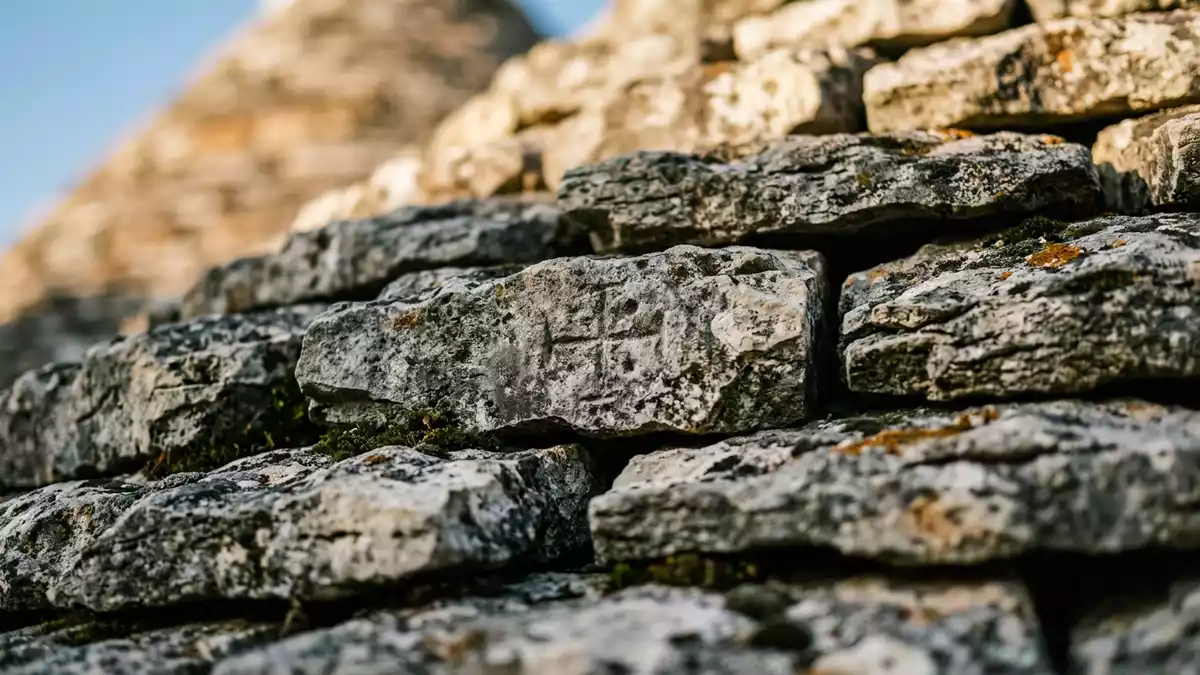
In the town of Alberobello in southern Italy, the Trulli di Alberobello form a compact landscape of whitewashed stone dwellings crowned by distinctive masonry cones. These houses are built from local limestone using a dry-stone technique and have been recognised as a UNESCO World Heritage Site since 1996, setting Alberobello apart as a rare intact ensemble of vernacular architecture from the Murge plateau.
Stone cones and thick walls: how a trullo is built
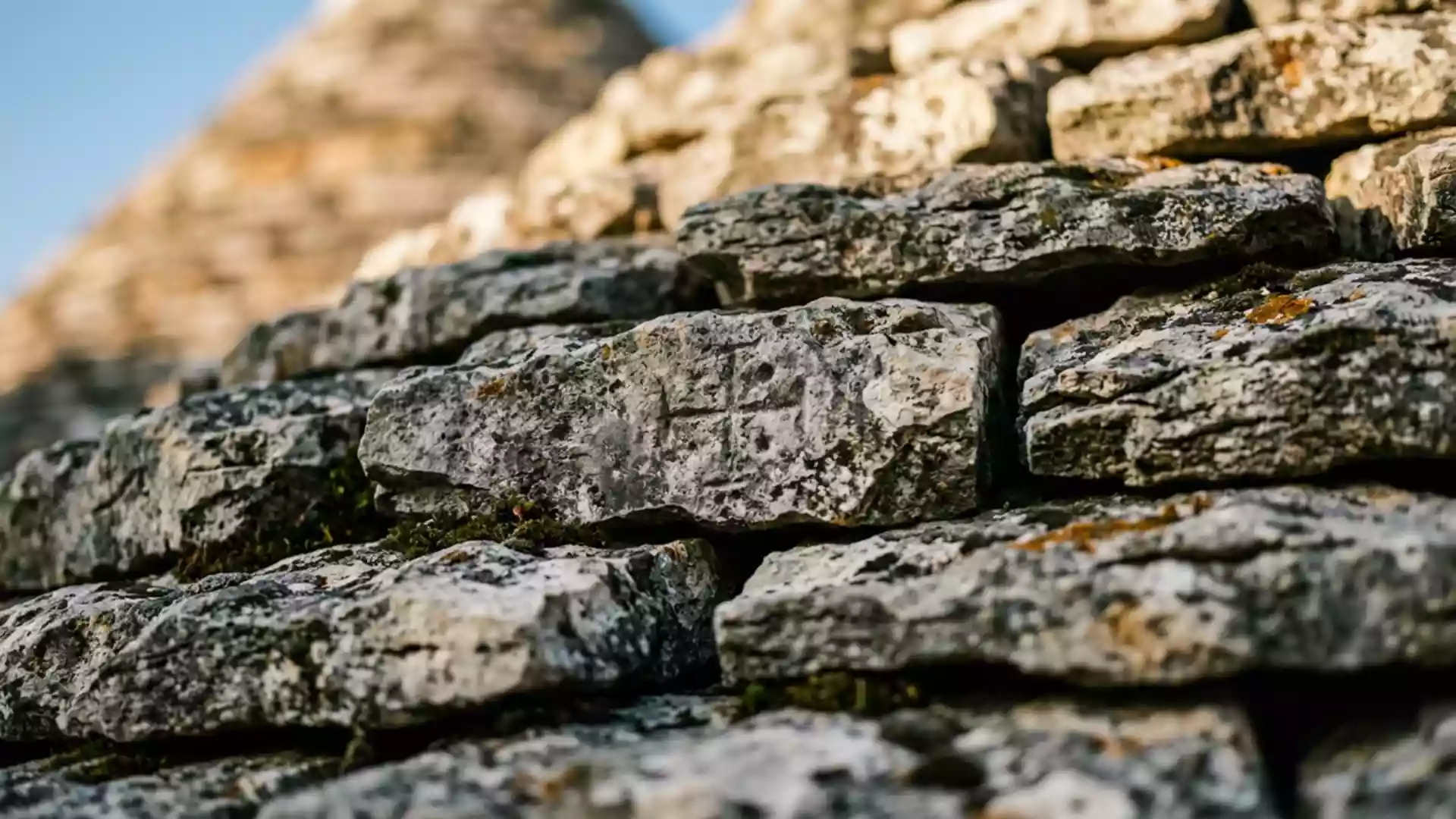
A trullo begins with walls of roughly worked limestone blocks, laid directly on the ground without mortar and forming either a roughly square or slightly rounded room. The walls are built as a thick double skin packed with stone rubble between inner and outer faces, giving the modest footprint a notable solidity and mass.The architecture of the trulli Above this solid base rises the roof, assembled from horizontal rings of stone slabs that project inward as they climb, using the tholos system known from prehistoric stone building.
The roof rings close at the top around a larger capstone that locks the masonry together, and many trulli carry a decorative pinnacle set above this point. On some cones, painted symbols appear on the outer surface, adding a graphic layer to the grey stone and white walls. The dwellings use limestone gathered from nearby fields and from the Murge plateau, which provides the material that defines both wall and roof.limestone house construction
From medieval countryside to UNESCO World Heritage town
The origins of the trulli in the wider Apulia region lie in the late medieval period, when stone field shelters and small dwellings appeared across the Murge plateau. In Alberobello the stock that survives belongs mainly to the seventeenth to nineteenth centuries, when trulli developed into entire streets and quarters rather than isolated rural structures.seventeenth–nineteenth century trulli Over that period, trulli became permanent houses in stone for peasant families, built with the same dry-stone technique but gaining more complex layouts and occasional upper storeys.
Alberobello sits in the Itria Valley in Puglia and gained international recognition when the Trulli di Alberobello were inscribed on the UNESCO World Heritage List in 1996 under cultural criteria (iii), (iv) and (v).UNESCO listing of the Trulli of Alberobello The inscription acknowledges both the concentration of trulli in the town and the continuity of a dry-stone building technique that derives from prehistoric practices and remains visible here in an inhabited urban fabric. Alberobello is documented as one of the best-preserved and most homogeneous urban areas of this building type in Europe.
Walking the trulli quarters of Alberobello
Within Alberobello, the densest concentration of trulli lies on the south-western slopes in the quarter known as Rione Monti, where hundreds of cone-roofed houses line narrow lanes that rise and fall across the hill.Rione Monti trulli quarter Here, rows of trulli touch one another or cluster around tiny courtyards, creating continuous patterns of grey stone cones above white walls. Other trulli quarters, including areas around Piazza del Mercato and the group known as Trullo Sovrano, show variations in scale and layout, from single-cell dwellings to larger complexes.
Inside, a typical trullo contains a central room beneath the main cone, with smaller alcoves or side spaces arranged around it and openings cut through the thick walls to connect rooms and admit light. Some larger examples combine several cones over adjacent rooms, creating a rhythm of multiple roofs when seen from outside while remaining a single household within. As a visitor moving through the trulli quarters, it is possible to see this variety of forms, from simple one-cone houses to more elaborate compositions that adapt the dry-stone technique to clustered domestic spaces.
Visiting Trulli di Alberobello: what travellers from Western Europe should know
- Alberobello lies in the Itria Valley in the region of Puglia in southern Italy, inland from the Adriatic, and is reached by road links from nearby towns and by regional rail services that connect to Bari.
- The trulli quarters are built on sloping ground, with cobbled lanes and stairways between the houses; walking through them involves short climbs on uneven stone surfaces.
- Many of the streets among the trulli are narrow, with houses standing close together, so moving between them means using passageways that can feel enclosed and require care on the stone paving.
- The official language is Italian and the currency is the euro.
Searching for Trulli di Alberobello on social platforms
These links open searches for Trulli di Alberobello on each platform.
Frequently asked questions about Trulli di Alberobello
Where are the Trulli di Alberobello located?
The Trulli di Alberobello stand in the town of Alberobello in the Itria Valley in Puglia in southern Italy, inland from the Adriatic coast.
What should visitors expect when walking among the trulli?
Visitors walk through quarters of whitewashed stone houses with masonry cones above thick walls, using cobbled lanes and stairways laid on sloping ground.
What makes the Trulli di Alberobello distinctive among historic towns?
The town is distinguished by its concentration of dry-stone limestone dwellings with corbelled conical roofs, recognised as a UNESCO World Heritage Site since 1996.