
Trulli di Alberobello and the dry?stone villages of Puglia
Published on 08/31/2026 at 20:29 | Editorial responsibility: Rafael Müller, Editor-in-Chief AD HOC NEWS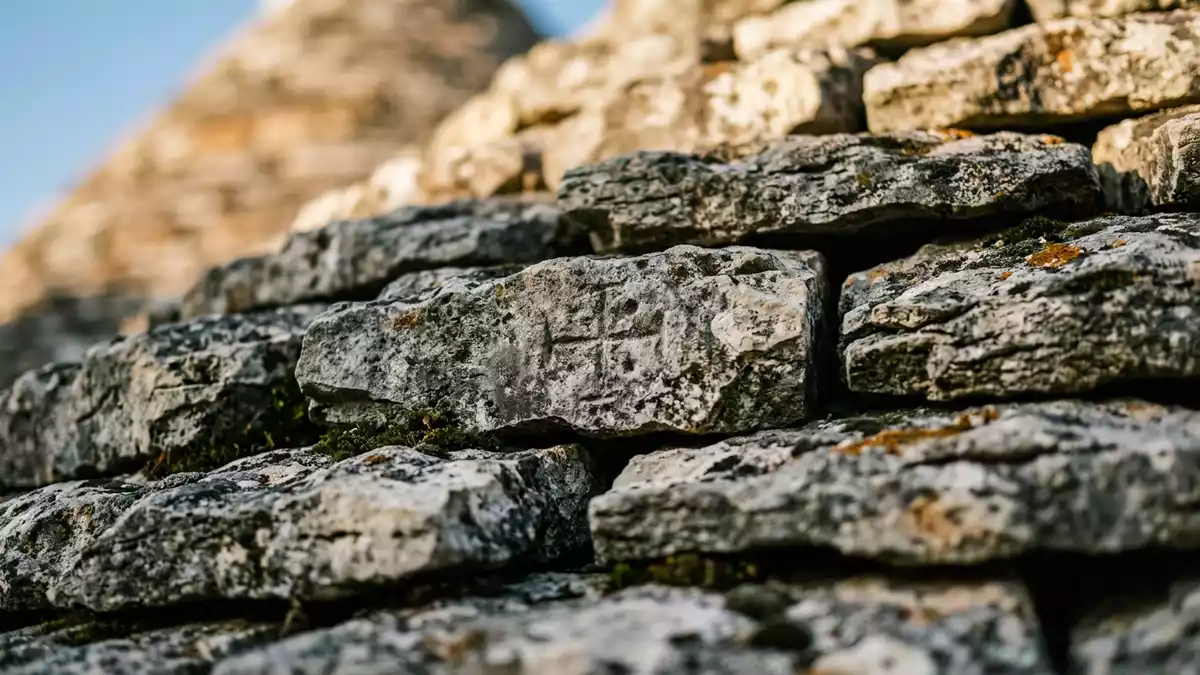
In Alberobello in southern Italy, the Trulli di Alberobello form entire neighbourhoods of traditional limestone houses, each topped by a distinctive conical roof that rises over the narrow lanes. The trulli complex in Alberobello was inscribed on the UNESCO World Heritage List in 1996 as “The Trulli of Alberobello”, recognising an urban landscape built from dry?stone construction techniques with deep roots in the region’s past.
Dry?stone architecture in an Italian townscape
The term trulli refers to vernacular limestone dwellings found in the southern Italian region of Puglia, built using corbelled dry?stone construction without mortar.vernacular limestone dwellings This building type appears across the Itria Valley, but Alberobello holds the densest concentration and the best preserved examples, with well over a thousand trulli clustered into compact quarters such as Rione Monti and Aja Piccola.densest concentration and best preserved examples From street level, the town’s skyline becomes a rhythm of pale walls and stone roofs rising and falling along the slope.
Each trullo is built from roughly worked limestone boulders collected from neighbouring fields on the Murge plateau, with the walls formed as a dry?stone shell thick enough to support the weight of the roof.roughly worked limestone boulders Above this base, the roof is raised by successively corbelled slabs that close into a conical crown, often finished with a decorative pinnacle. Seen in sequence along a lane, the cones stand shoulder to shoulder, turning ordinary stone into a distinctive built landscape that contrasts with the more conventional masonry of neighbouring towns.
From rural shelters to an urban ensemble
Dry?stone huts of this type are documented in the area from at least the mid?fourteenth century, when simple single?room trulli served as temporary shelters for labourers and animals in the surrounding countryside.mid?fourteenth?century examples Over generations those isolated structures evolved into more permanent dwellings, gaining alcoves, fireplaces and small storage spaces beneath the floors. In Alberobello the process went further: trulli, each associated with a small plot of land, were gradually built in groups until they formed a village with its own social and economic hierarchies.from scattered shelters to village
By the late eighteenth and nineteenth centuries many trulli in Alberobello were upgraded with wells to collect rainwater and cellars for food storage, reinforcing their role as long?term homes rather than field shelters.late eighteenth and nineteenth?century upgrades The town now contains whole districts built almost entirely from trulli, including Rione Monti on one slope and Aja Piccola nearby, where winding alleys run between rows of stone houses and small courtyards. Within the inscribed World Heritage property, individual sites such as Trullo Sovrano, Casa d’Amore, Piazza del Mercato and the Historical Museum mark out key points in this ensemble.Trullo Sovrano, Casa d’Amore, Piazza del Mercato and the Historical Museum
World Heritage recognition and contemporary uses
The Trulli di Alberobello were inscribed on the UNESCO World Heritage List in 1996 under cultural criteria (iii), (iv) and (v, recognising the long?term survival of prehistoric dry?stone techniques in a historic urban context.inscription under cultural criteria The designation emphasises that the town is an outstanding example of a vernacular architectural complex that has retained its original form to an exceptional degree, with trulli still functioning as dwellings and small premises within the existing street network.outstanding vernacular architectural complex
Across the historic quarters, many trulli have been adapted for contemporary use as museums, small shops and accommodation, while maintaining the characteristic thick walls and conical stone roofs that define the building type.adapted as museums and accommodation The result is an urban fabric where everyday activity unfolds inside structures whose basic construction technique dates back centuries, and where limestone collected from nearby ground remains the primary material of the built environment.
Visiting Trulli di Alberobello: what travellers from Western Europe should know
- Alberobello lies in the Itria Valley in Puglia, in the south?eastern part of the province of Bari, and is reached by road and regional rail connections from nearby cities.
- The historic trulli quarters consist of narrow lanes paved in stone, with short climbs and descents between rows of houses; walking involves negotiating uneven surfaces rather than long distances.
- Within the World Heritage property, landmarks such as Trullo Sovrano, Casa d’Amore and Piazza del Mercato stand within walking distance of one another across the compact historic centre.
- The official language is Italian and the currency is the euro.
Searching for Trulli di Alberobello on social platforms
These links open searches for Trulli di Alberobello on each platform.
Frequently asked questions about Trulli di Alberobello
Where are the Trulli di Alberobello located?
The Trulli di Alberobello are in the town of Alberobello in the Itria Valley in Puglia, in the south?eastern part of the province of Bari in Italy.
What should visitors expect when walking through the trulli districts?
Visitors encounter compact districts of limestone houses with conical stone roofs, arranged along narrow, gently sloping stone lanes with short climbs and descents.
What makes the Trulli di Alberobello distinctive among Italian historic towns?
Alberobello is distinctive for its extensive urban fabric built almost entirely from dry?stone trulli, recognised as a UNESCO World Heritage Site since 1996 for its vernacular architecture.


