Trinidad’s colonial streets and sugar?era mansions
Published on 09/11/2026 at 19:57 | Editorial responsibility: Rafael Müller, Editor-in-Chief AD HOC NEWS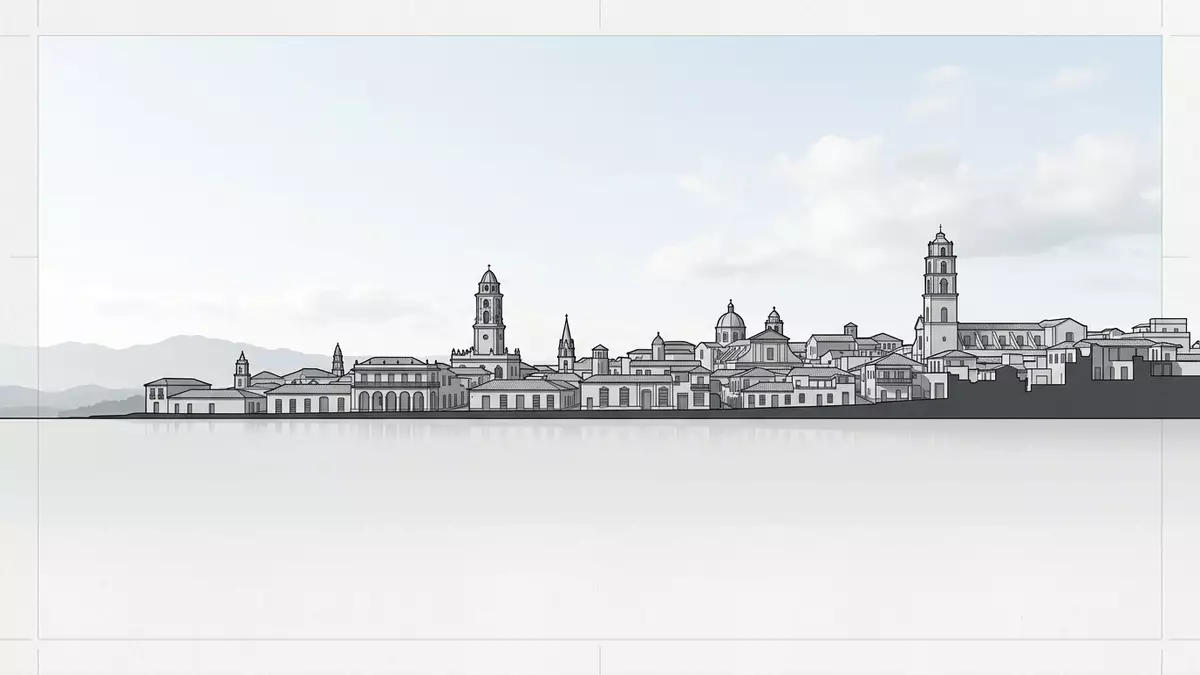
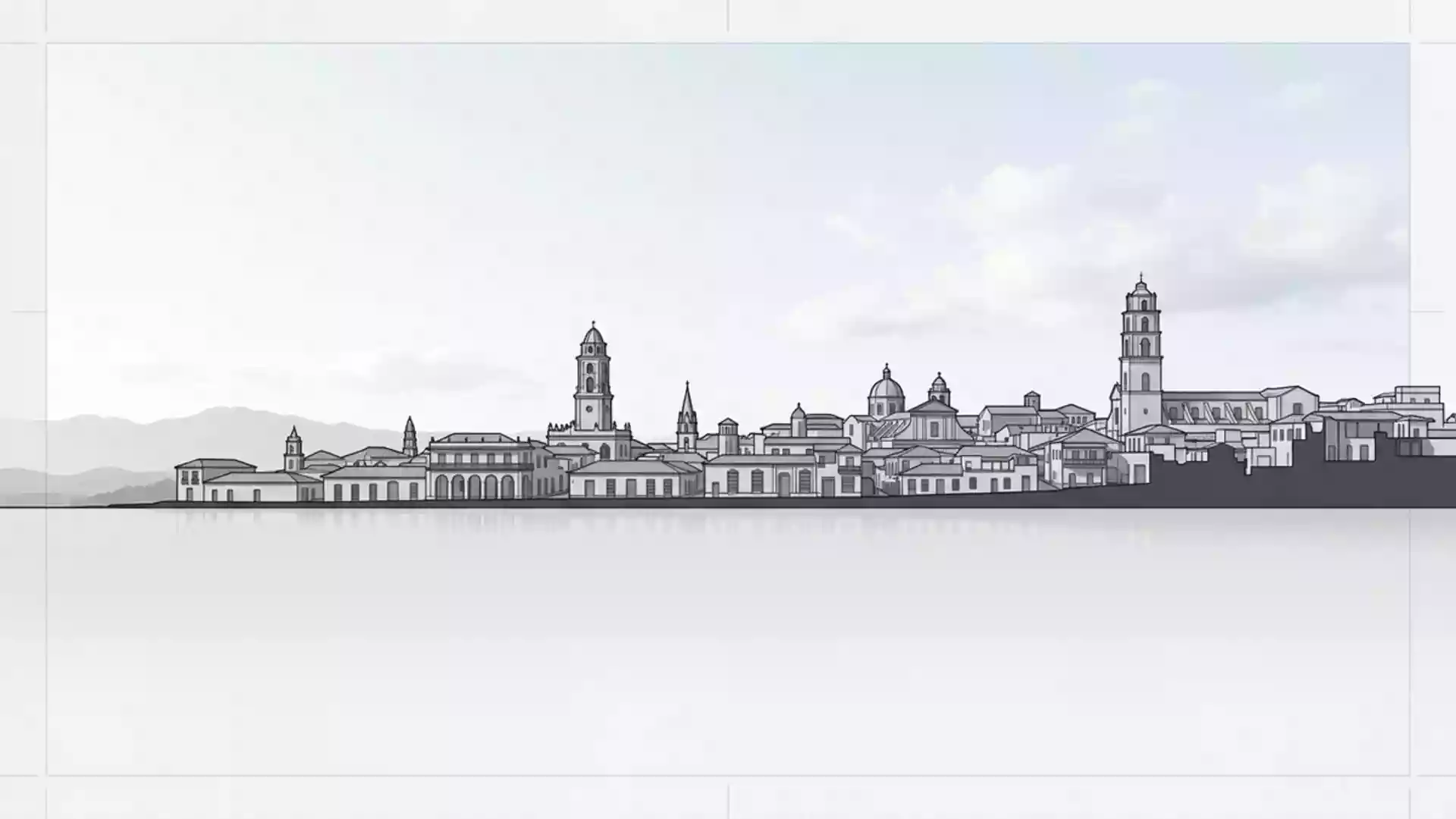
In Trinidad on Cuba’s southern coast, the historic centre gathers cobbled streets, pastel houses and former sugar?era mansions around the compact square of Plaza Mayor, forming a remarkably intact colonial townscape linked to the nearby Valley de los Ingenios and recognised as a UNESCO World Heritage Site since 1988.
Plaza Mayor at the heart of Trinidad’s old town
The clearest way into Trinidad’s historic centre is Plaza Mayor, the formal square that serves as the focal point of the colonial town and is widely described as its historic core.Plaza Mayor in Trinidad The square sits within a small grid of streets paved with cobblestones and lined with low houses whose pastel-coloured façades are protected by wrought?iron grilles framing doors and windows.cobblestone streets and pastel houses
Around Plaza Mayor rise several of Trinidad’s most notable colonial structures, including the campanile of the former Convento de San Francisco, the neoclassical Palacio Cantero and the Palacio Brunet, now used as museums that interpret the town’s sugar?era history.Trinidad and the Valley de los Ingenios The square is landscaped as a sequence of fenced gardens with palm trees and ornamental details, edged by a low balustrade that separates planting from the surrounding paving and gives the centre a composed, formal character.
From sugar wealth to preserved colonial fabric
Trinidad was founded in the early sixteenth century as Santísima Trinidad and developed into a stable urban centre connected to sugar?cane plantations in the surrounding valleys.Santísima Trinidad founded in 1514 Trade in sugar from the nearby Valle de los Ingenios and the use of enslaved labour brought substantial wealth to local families during the eighteenth and nineteenth centuries, and that period left Trinidad with an ensemble of town houses and mansions whose architecture still frames the historic centre.sugar trade and surrounding buildings
The Historic Centre of Trinidad and the Valley de los Ingenios were inscribed on the UNESCO World Heritage List in 1988, formally recognising both the intact colonial urban fabric and the surrounding landscape of sugar estates as one cultural property.World Heritage inscription in 1988 Within the town, many former mansions such as Palacio Cantero, Palacio Brunet and the blue Casa de los Sánchez Iznaga have been preserved and adapted as museums, including a museum of municipal history and a museum of colonial architecture that display interiors, courtyards and decorative elements from Trinidad’s sugar?era society.Museo de Arquitectura Colonial in Casa Azul
Streets, houses and setting between mountains and sea
The broader historic centre around Plaza Mayor takes the form of a compact district only a few square blocks in size, its streets rising and falling gently as they cross the slope above the Caribbean coast.historic plaza area Houses are typically one or two storeys, built with masonry walls, timber roofs covered with traditional tiles and lime plasters that give the streets a sense of unity in colour and texture.Trinitarian architecture and materials
Trinidad lies in Sancti Spíritus Province on Cuba’s southern coast, with the Escambray Mountains rising inland and the Caribbean Sea to the south, so the town’s old streets stand between hills and shoreline.Trinidad, Sancti Spíritus Within this setting, colonial churches, cobbled lanes and preserved town houses form an urban ensemble that has seen careful conservation, allowing travellers to walk through streets where the plan, paving and urban decoration still reflect an eighteenth? and nineteenth?century Caribbean town.preserving the historical environment
Visiting Trinidad: what travellers from Western Europe should know
- Trinidad’s historic centre lies in Sancti Spíritus Province on Cuba’s southern coast, in the central part of the island, with Plaza Mayor at its core.
- The old town’s streets are cobbled and gently sloping, with many routes involving uneven paving and low kerbs that require steady footing on walks through the historic grid.
- The colonial centre stands a short distance inland from the Caribbean shoreline, while the foothills of the Escambray Mountains rise behind the town and are visible from higher streets.
- The official language is Spanish and the currency is the Cuban peso.
- Entry requirements depend on your nationality; UK travellers can check the FCDO travel advice at gov.uk/foreign-travel-advice, Irish travellers the Department of Foreign Affairs at ireland.ie.
Searching for Trinidad on social platforms
These links open searches for Trinidad on each platform.
Frequently asked questions about Trinidad
Where is Trinidad’s historic centre located?
Trinidad’s historic centre is in Sancti Spíritus Province on the southern coast of Cuba, in the central part of the island, clustered around Plaza Mayor.
What can visitors expect when walking through Trinidad’s old town?
Visitors encounter cobbled streets, low pastel houses with wrought?iron grilles, colonial churches and preserved mansions around Plaza Mayor, many of which now house museums and cultural spaces.
What makes Trinidad distinctive among Cuban colonial towns?
Trinidad is distinctive for the degree to which its eighteenth? and nineteenth?century urban fabric, linked to the sugar trade and the Valle de los Ingenios, has been preserved and recognised as a World Heritage Site.