
Tottori Sakyu: Japan’s dunes shaped by wind and waves
Published on 09/24/2026 at 10:23 | Editorial responsibility: Rafael Müller, Editor-in-Chief AD HOC NEWS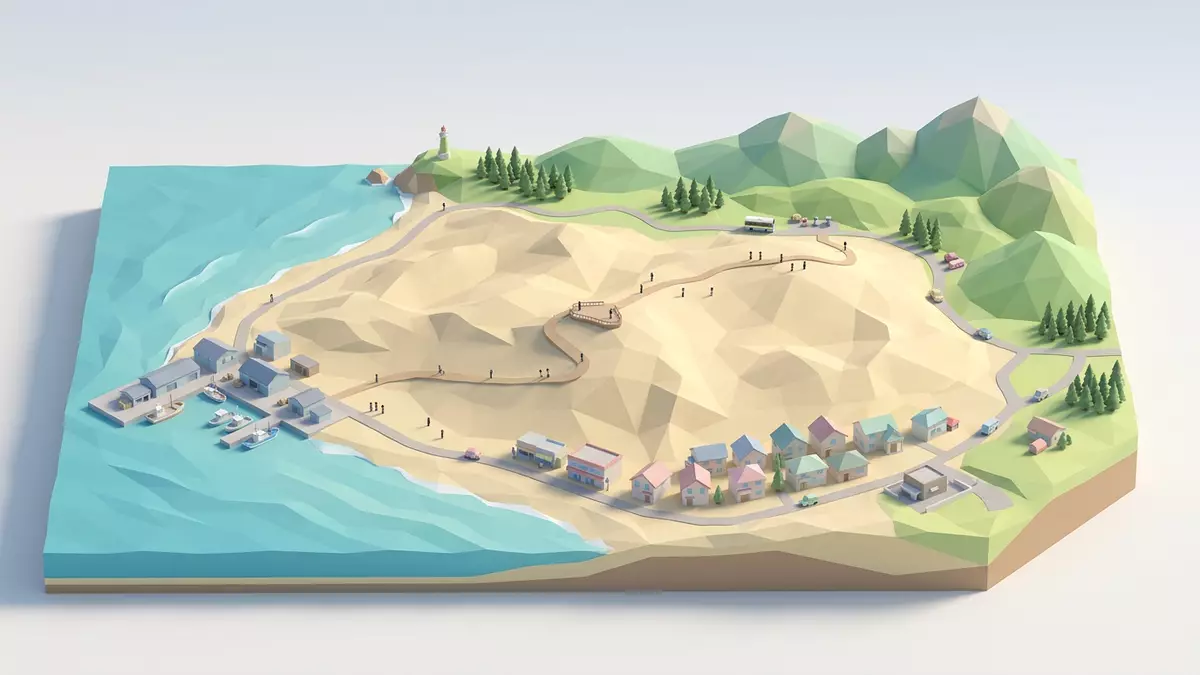
Tottori Sakyu is a broad coastal landscape beside the Sea of Japan, near Tottori in western Japan. Sand ridges, hollows and wind-shaped surfaces extend along the coast, with some dunes rising to 47 metres. The visible landscape records the work of the Sendai River, waves and coastal wind.
Where river sand becomes a coastal landscape
The dunes began with granite gravel and sand carried from mountains south of Tottori by the Sendai River. Sediment reached the sea, while waves and coastal currents moved fine grains back towards the shore.
Sea-level changes added older beds of seabed sediment to the coastal terrace. Volcanic ash and pumice also form part of the dune material. the dunes’ geological history records this combination of river, sea, wind and volcanic material.
The whole dune system extends for nearly 16 kilometres along the coast and covers about 30 square kilometres. Its visible scale connects the sandy foreground with the open sea beyond it.
Ridges, hollows and the Sea of Japan
Tottori Sakyu is not a flat beach. Its surface rises into ridges and falls into broad depressions, creating changing views across sand, coastal vegetation and water.
The highest dunes reach 47 metres. From elevated ground, the Sea of Japan appears beyond the sandy ridges, while the Sendai River’s role remains part of the landscape’s geological story.
Wind continually moves loose sand across exposed surfaces. Fine ripples form on the ground, and steeper slopes show flowing patterns where grains have shifted downhill.
Vegetation occupies parts of the dune field, including plants adapted to sandy coastal conditions. The dunes also contain habitats for flora and fauna, giving the site a biological dimension alongside its geology.
A national park landscape with a cultural life
Tottori Sakyu belongs to San’in Kaigan National Park and lies within the San’in Kaigan UNESCO Global Geopark. The protected coastal setting includes geological features, habitats and the relationship between land and sea.
The dunes have existed for over 100,000 years. Their present form combines ancient sediment with processes that continue across the shore and exposed sand.
The landscape also supports activities associated with Tottori Sakyu, including sandboarding, paragliding and camel rides. A visitor centre presents information about the dunes’ geology and ecology, while the Sand Museum nearby displays sculpture made from sand.
Conservation work addresses invasive vegetation, shoreline erosion, litter and damage to the sandy surface. Volunteers and park-related teams participate in the care of this coastal environment.
Visiting Tottori Sakyu: what travellers from Western Europe should know
- Tottori Sakyu lies in Fukube-cho, Tottori City, on Japan’s Sea of Japan coast. Route buses and sightseeing buses connect the dunes with JR Tottori Station.
- There is no railway station within the dune field. The approach from the bus stops leads across sandy ground and uneven slopes.
- The terrain includes ridges, depressions and steep sandy faces. Walking across the dunes requires attention to changing surfaces.
- The official language is Japanese and the currency is the Japanese yen.
- Entry requirements depend on your nationality; UK travellers can check the FCDO travel advice at gov.uk/foreign-travel-advice, Irish travellers the Department of Foreign Affairs at ireland.ie.
Searching for Tottori Sakyu on social platforms
These links open searches for Tottori Sakyu on each platform.
Frequently asked questions about Tottori Sakyu
Where is Tottori Sakyu?
Tottori Sakyu is in Fukube-cho, within Tottori City, on the Sea of Japan coast of western Japan. JR Tottori Station is the main railway reference point for bus connections.
What can visitors expect there?
The site consists of sandy ridges, hollows, ripples and steep slopes beside the sea. Activities include walking, sandboarding, paragliding and camel rides.
What makes Tottori Sakyu distinctive?
Its landscape combines river sediment, coastal currents, waves and wind across an extensive dune field. Some ridges reach 47 metres, while the wider system extends nearly 16 kilometres along the coast.


