Timbuktu hosts Festival Vivre Ensemble from 14 to 20 December
Published on 11/28/2026 at 16:49 | Editorial responsibility: Rafael Müller, Editor-in-Chief AD HOC NEWSFestival programme and heritage
- The Ministry of Reconciliation and the Vivre Ensemble Association will stage the festival from 14 to 20 December 2026.
- Workshops, conferences, debates, performances and visits to historic sites are planned during the seven-day programme.
- UNESCO inscribed Timbuktu on the World Heritage List in 1988 for its mosques, mausoleums and intellectual history.
Timbuktu (Tombouctou) will host the eleventh Festival Vivre Ensemble from 14 to 20 December 2026, bringing a programme of cultural, educational, economic and sporting activities to the historic city in Mali. The festival is being organised by the Ministry of Reconciliation, Peace and National Cohesion with the Vivre Ensemble Association of Timbuktu. Its announced theme is education and culture in the service of peace.
The event gives a current reason to follow developments at a place better known internationally for its mosques, manuscripts and scholarly history. The date was announced by festival representatives on 24 November 2026 and remains inside the period in which Western European readers can plan for the programme.
Festival Vivre Ensemble sets its December programme
The Festival Vivre Ensemble runs from 14 to 20 December 2026. L'Essor reports that its activities will seek to strengthen links between communities through cultural, educational, economic and sporting initiatives, while the organisers describe the gathering as a way to reconnect the populations of the city.
The announced programme includes workshops, training sessions for community leaders, conferences, debates, artistic performances and visits to historic and tourist sites. A fair for commercial, craft and agricultural activity is also planned, alongside traditional songs and dances, a literary dune, a fashion show and a large concert called Sounds and Lights. Festival dates and organisers are reported by the Malian newspaper L'Essor.
The festival also lists an immersive desert experience, with camel races, camel rides, food activities and presentations of clothing inspired by local traditions. The announced activities connect the festival's community theme with the city’s living cultural practices rather than treating its historic monuments as a separate backdrop.
Timbuktu's heritage gives the festival its setting
UNESCO describes Timbuktu as an intellectual and spiritual capital during the fifteenth and sixteenth centuries, when the city helped spread Islamic culture across Africa. Its World Heritage property includes the three great mosques of Djingareyber, Sankore and Sidi Yahia, together with sixteen mausoleums and holy public places. UNESCO inscribed the site in 1988.
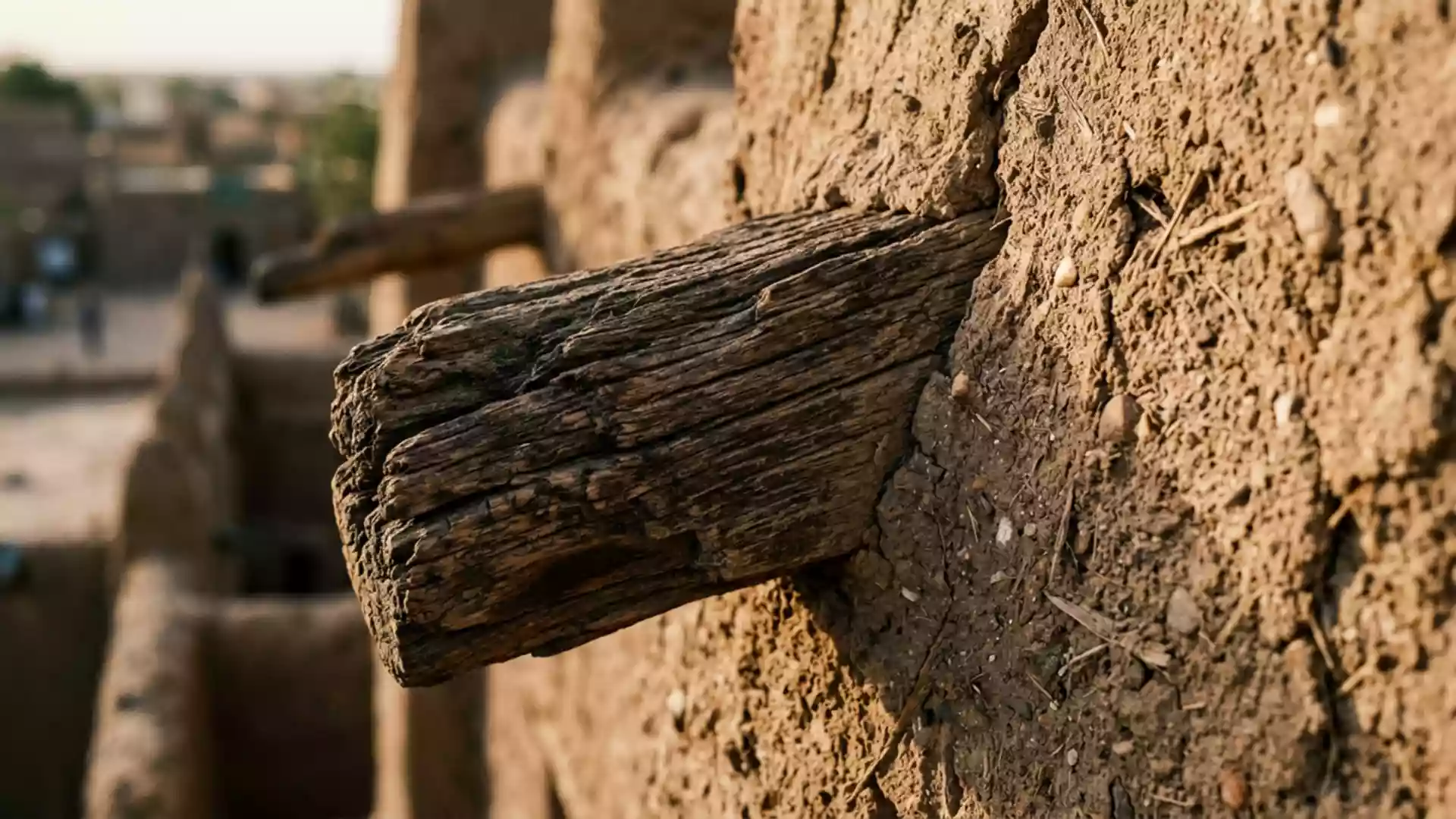
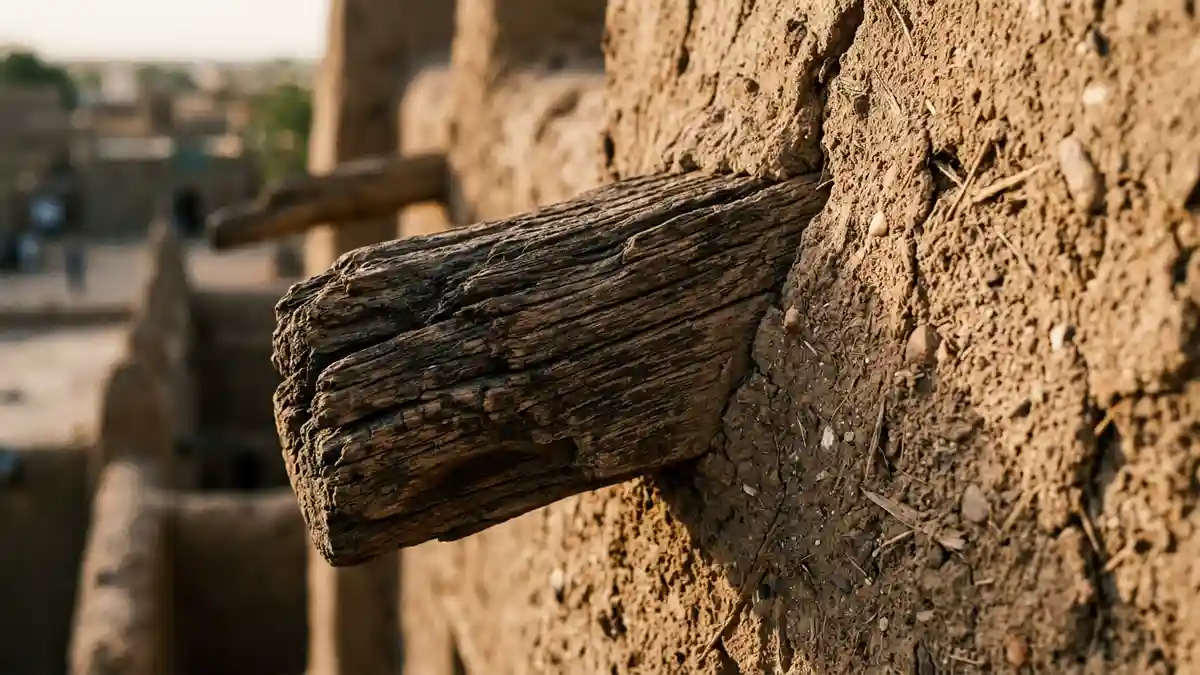
The city stands at the gateway to the Sahara, near the river and at the meeting point of desert and fertile zones. Its earthen mosques retain traditional construction and maintenance techniques, while their history reaches back to the city’s period as a centre of scholarship and trade. That relationship matters for the December programme: visits to historic sites place the festival’s educational theme within the buildings and urban landscape that carry Timbuktu’s documented history. UNESCO's heritage description records the site’s history, components and World Heritage status.
Community activities extend beyond the monuments
The organisers say the 2026 edition will combine cultural activity with education, community dialogue and local economic participation. That broad structure distinguishes the event from a routine visit to one mosque or mausoleum and gives readers several programme types to look for during the seven-day period.
The announced theme also places the festival within a continuing public discussion about relations between communities in the region. The event is under the high patronage of Mali's transitional president, but its published programme is centred on cultural, educational, economic and sporting activities.
Visiting Timbuktu: what travellers from Western Europe should know
- The Festival Vivre Ensemble takes place in Timbuktu from 14 to 20 December 2026, with activities announced across cultural and heritage settings.
- The programme is planned to include workshops, conferences, debates, performances, fairs and visits to historic and tourist sites.
- Timbuktu lies at the gateway to the Sahara, near the river, and its World Heritage property includes Djingareyber, Sankore and Sidi Yahia mosques.
- The historic setting includes earthen architecture, desert conditions and traditional buildings, so visitors should expect exposed outdoor areas and uneven historic surroundings.
- Entry requirements depend on your nationality; UK travellers can check the FCDO travel advice at gov.uk/foreign-travel-advice, Irish travellers the Department of Foreign Affairs at ireland.ie.
Searching for Timbuktu on social platforms
These links open searches for Timbuktu on each platform.
Frequently asked questions about Timbuktu
When does Festival Vivre Ensemble take place at Timbuktu?
The eleventh edition is scheduled for 14 to 20 December 2026.
What is Timbuktu known for?
UNESCO identifies its three great mosques, sixteen mausoleums and role as an intellectual and spiritual capital in the fifteenth and sixteenth centuries.
Where is Timbuktu and how do you get there?
Timbuktu is in northern Mali at the gateway to the Sahara, near the river. The published festival announcement does not provide a confirmed transport route or arrival station.